


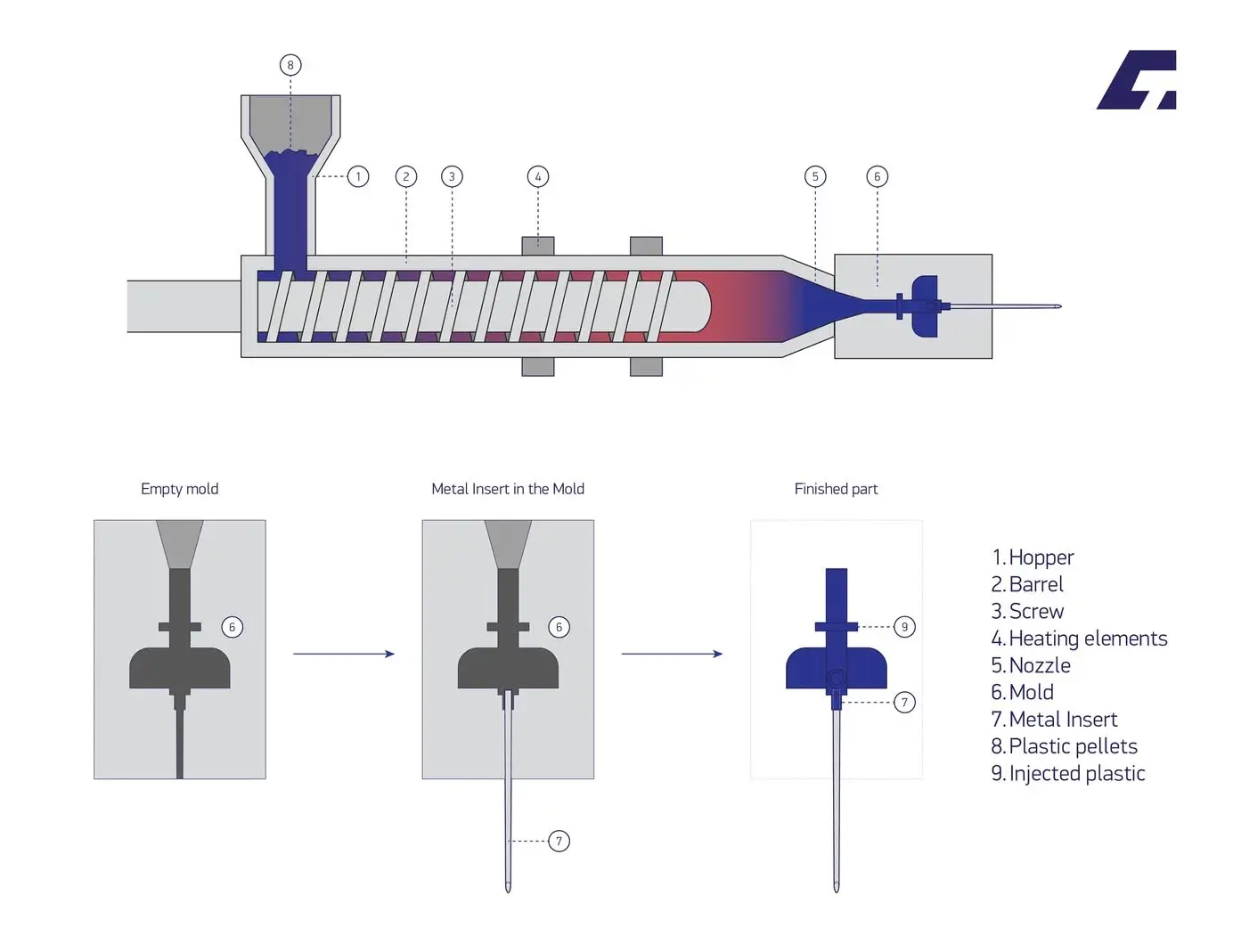
What Is Insert Molding?
Certain plastic objects may appear straight forward on the surface, but they are constructed around something that is a lot stronger internally. This is made possible through insert molding. It entails inserting a pre cast usually metallic, yet occasionally ceramic or other hard material into a mold then injecting material in the form of melted ... Read more
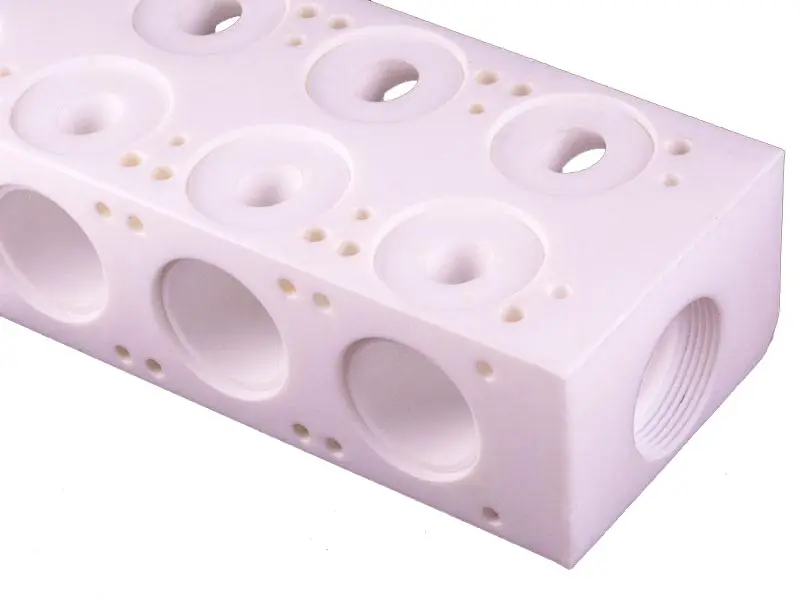
Acetal vs Delrin: How These Plastics Really Compare
If you look into engineering plastics, one cannot help but notice that acetal and Delrin are the names that keep recurring, particularly for the components that have to resist the effects of daily wear, friction, and movement. Essentially, both are from the same group of thermoplastics known as polyoxymethylene (POM), which is a class of ... Read more
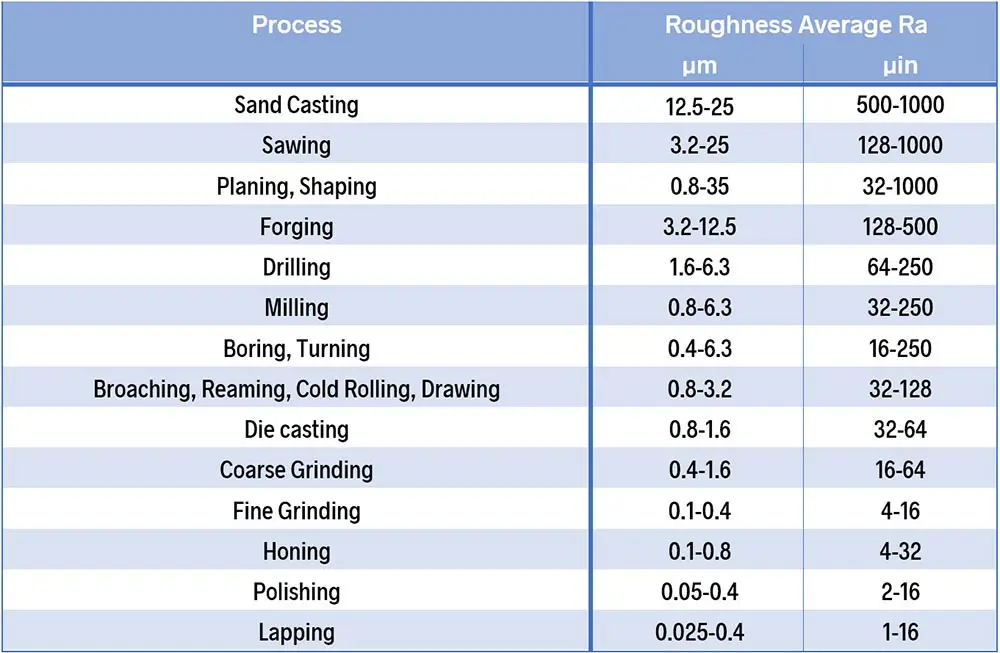
What Surface Roughness Means and Why It Matters
When you examine a metal component very closely, you will find small hills and valleys on its surface - even if it appears to be smooth by the naked eye. This microscopic texture is what the engineers refer to as surface roughness. It is a term that defines how the surface of a material is ... Read more
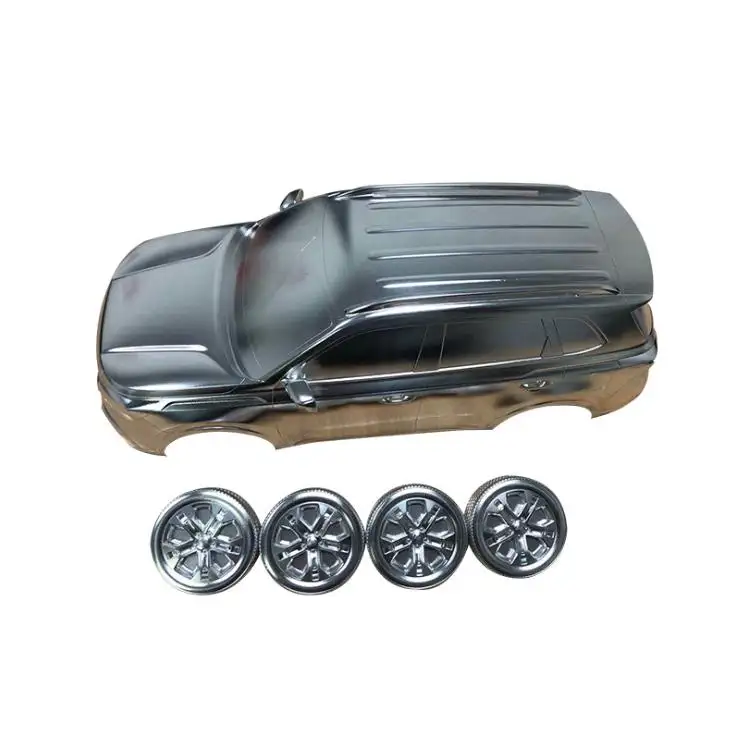
Why Are 5 Axis Machined Parts Better for Tight Tolerances?
The 5 Axis Machined Parts are quickly becoming the go-to choice for teams that cannot compromise on tight tolerances and stable quality. At GD Prototyping, we see this shift as complex components move from CAD models to real, assembled products. In this article, we'll walk through why 5 Axis Machined Parts are so effective for ... Read more
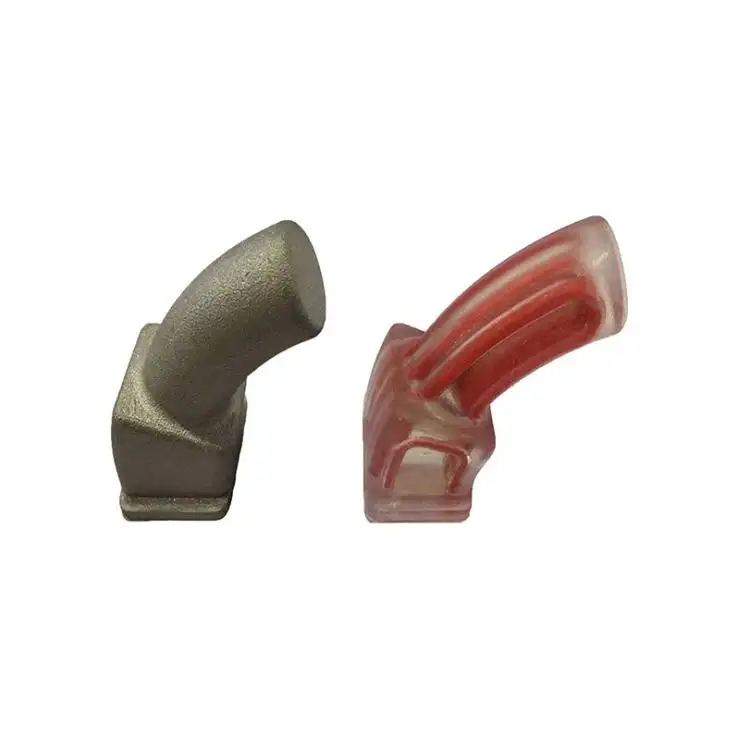
What Breaks Product Development Prototyping in Traditional Tooling?
Product Development Prototyping should be the safest, lowest-risk environment in your entire development journey - a place where you can test ideas, uncover problems, and learn quickly long before you commit to mass production. Yet many teams discover the opposite. Projects stall, timelines drift, and budgets come under pressure, often because traditional tooling is asked to ... Read more
Say Goodbye to Limits with Polyurethane Vacuum Casting
The Polyurethane Vacuum Casting uses silicone molds and high-performance resins to create realistic parts that look and feel close to final products. It helps you move faster than traditional tooling and reduces the risk of expensive design changes. But where does this process really shine, and how can it change your next project? Let's take ... Read more
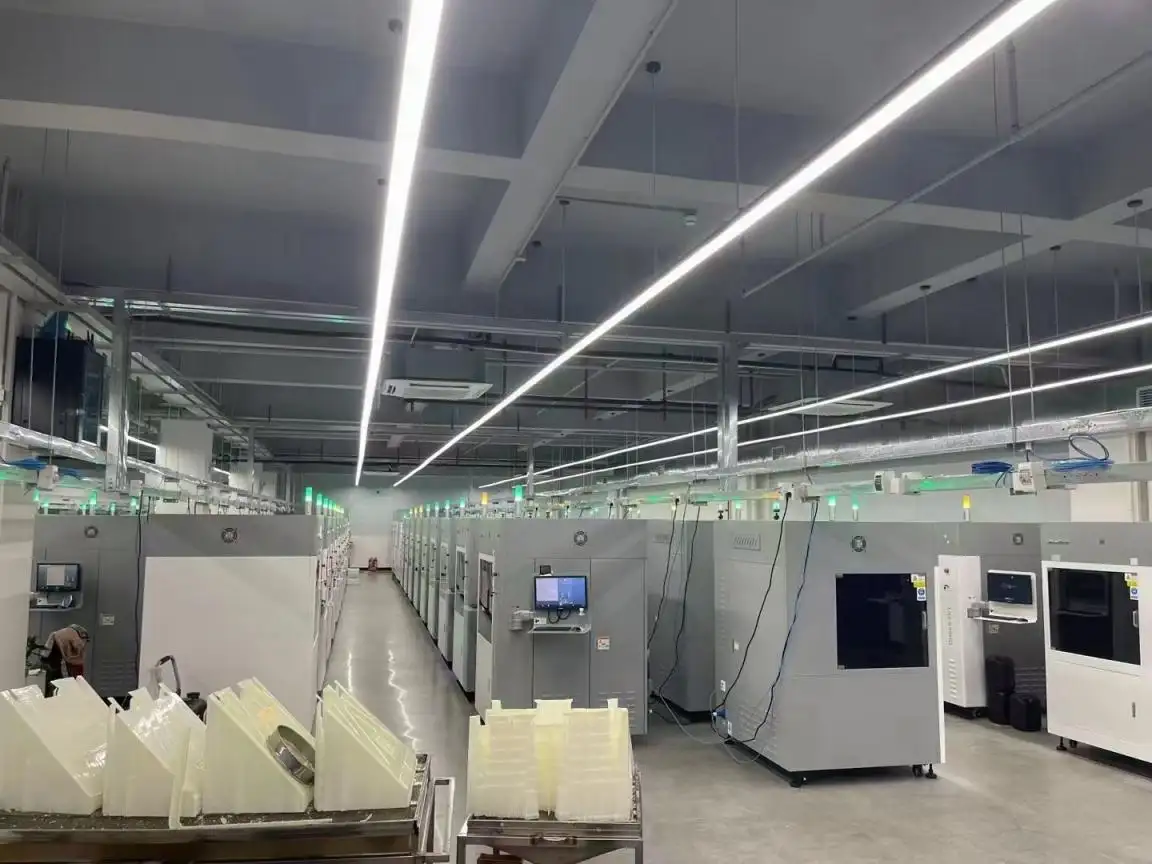
Can Plastic 3D Printing Services Replace Traditional Molding?
Plastic 3D Printing Services are rewriting how parts move from CAD to hand. Teams want speed. Finance wants lower risk. Operations wants fewer delays. But one question hangs over every kickoff: can these services replace traditional molding? On paper, the promise looks real - no tooling, faster loops, complex shapes. In practice, trade-offs appear in strength, ... Read more
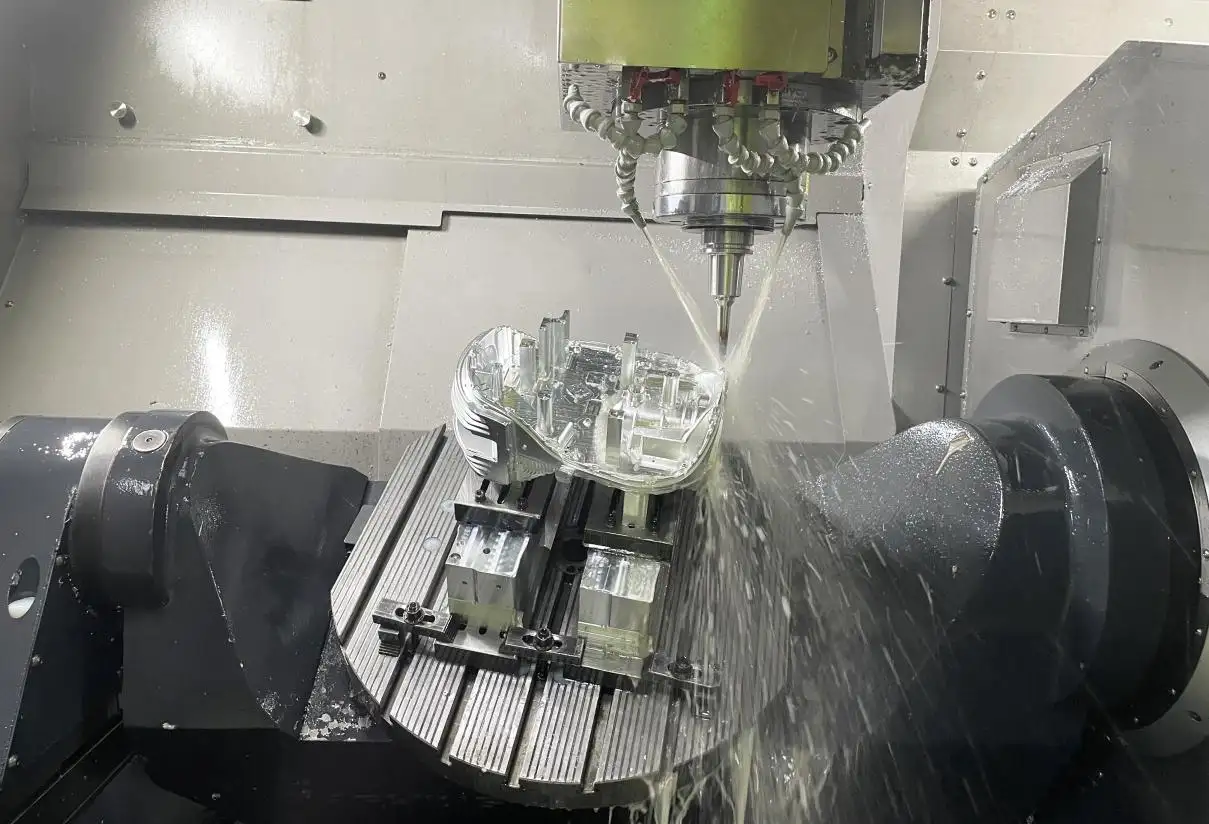
What Challenges Limit Precision in Metal Prototype Machining
Metal Prototype Machining promises tight tolerances and fast results. Yet many teams still miss their target by microns. Tools wear. Heat builds. Fixtures flex. Materials behave in unexpected ways. A perfect CAD model does not guarantee a perfect part. Even a smooth surface can hide size drift. Small errors stack up until a critical feature ... Read more
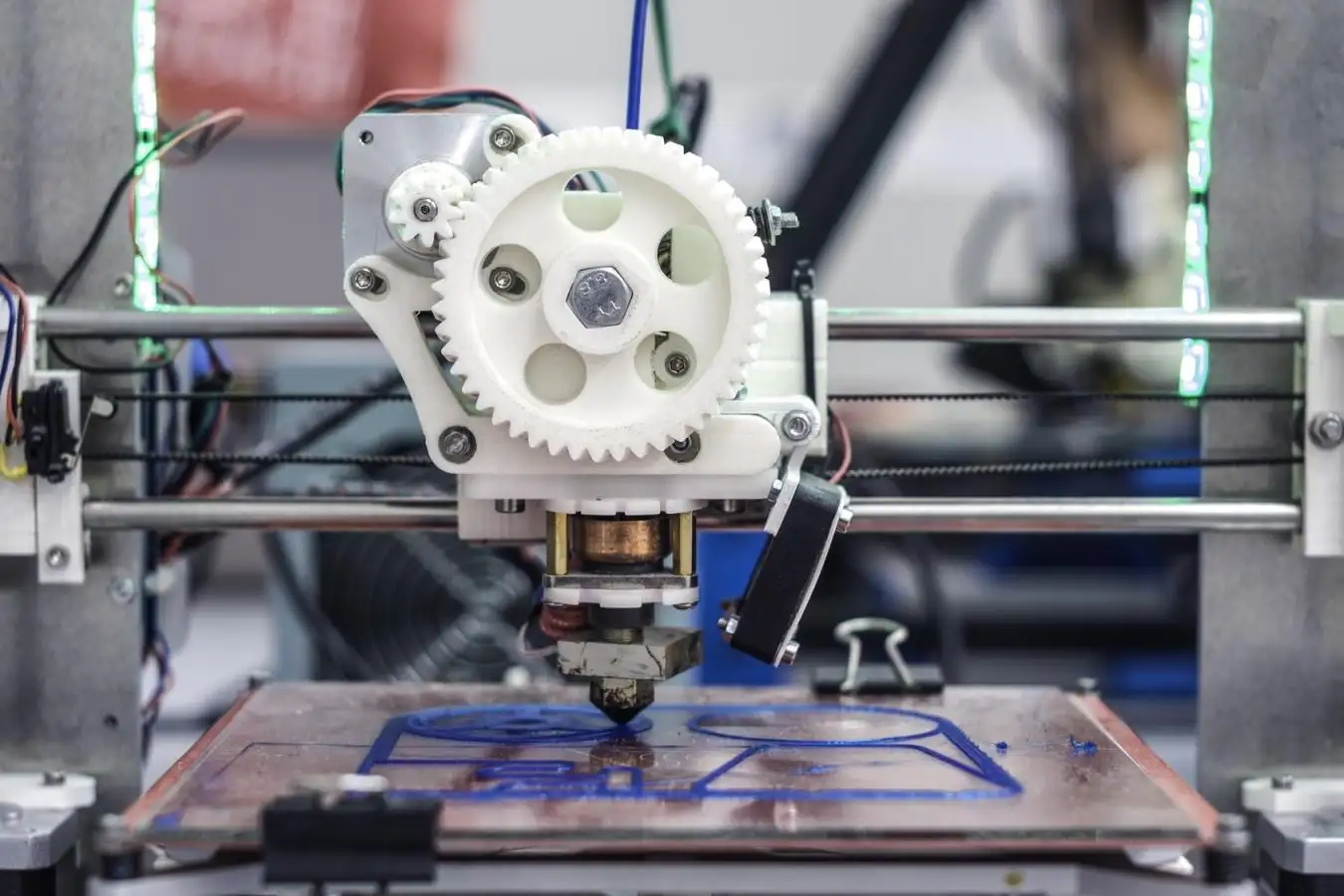
What Makes Low-Volume 3D Printing Production So Cost-Effective?
Why is Low-Volume 3D Printing Production so cost-effective? The answer isn't just "no tooling." It's a mix of lean setup, fast revisions, and smarter material use. You pay for parts, not idle molds. You iterate in days, not weeks. Complex geometry no longer adds pain or price. Risk drops because inventory stays light. Cash flow improves ... Read more

How Custom Prototype Manufacturing Reduces Product Development Costs
Custom Prototype Manufacturing promises speed without the spend. But where do the real savings come from? Not from cheap parts alone. Costs hide in redesign loops, wrong materials, and late changes. Prototypes can fix that - if they act like production. The right tooling turns debate into data. Lead times shrink. Rework drops. Budgets breathe. Still, many ... Read more
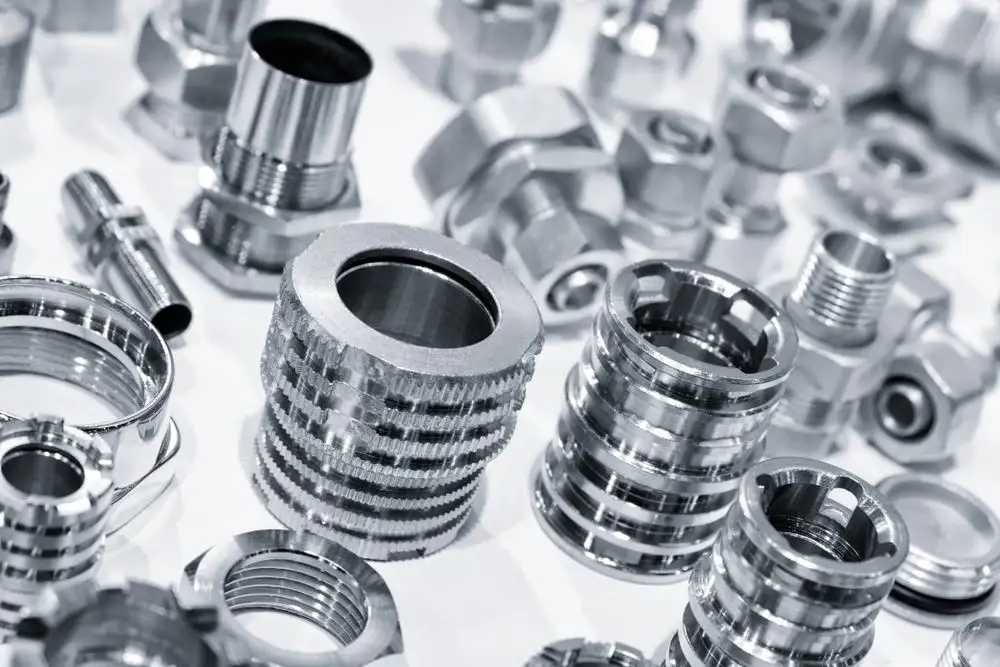
What Makes a Reliable China CNC Machining Parts Manufacturer Stand Out?
What makes a reliable China CNC Machining Parts Manufacturer stand out? It's not only machines or price. It's the parts you receive, and the promises kept. Tight tolerances. Clean finishes. Clear timelines. But there's more beneath the surface. How do you judge consistency before the first shipment? What signals trust beyond a glossy brochure? Today we ... Read more
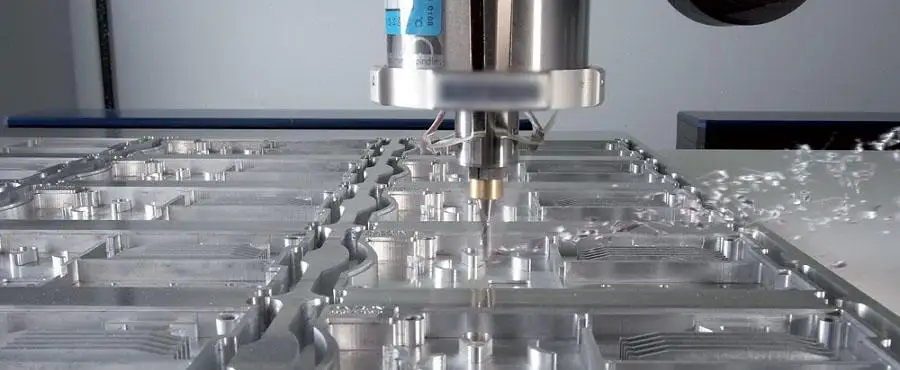
How Aluminum Alloy Machining Achieves High Precision and Stability
Aluminum Alloy Machining is at the core of today's product launches. Teams need tight tolerances, smooth finishes, and repeatable results. Yet projects still slip. Thin walls chatter. Heat shifts dimensions. Batches don't match. At GD Prototyping, we built a simple system to keep parts stable and precise. It starts before the first chip. It ends ... Read more
