


Acetal vs Delrin: How These Plastics Really Compare
If you look into engineering plastics, one cannot help but notice that acetal and Delrin are the names that keep recurring, particularly for the components that have to resist the effects of daily wear, friction, and movement. Essentially, both are from the same group of thermoplastics known as polyoxymethylene (POM), which is a class of materials praised for their high mechanical properties and easy machinability. However, there are only a few slight differences which are definitely worth your consideration if you are choosing a material for a part that is expected to function well over time.
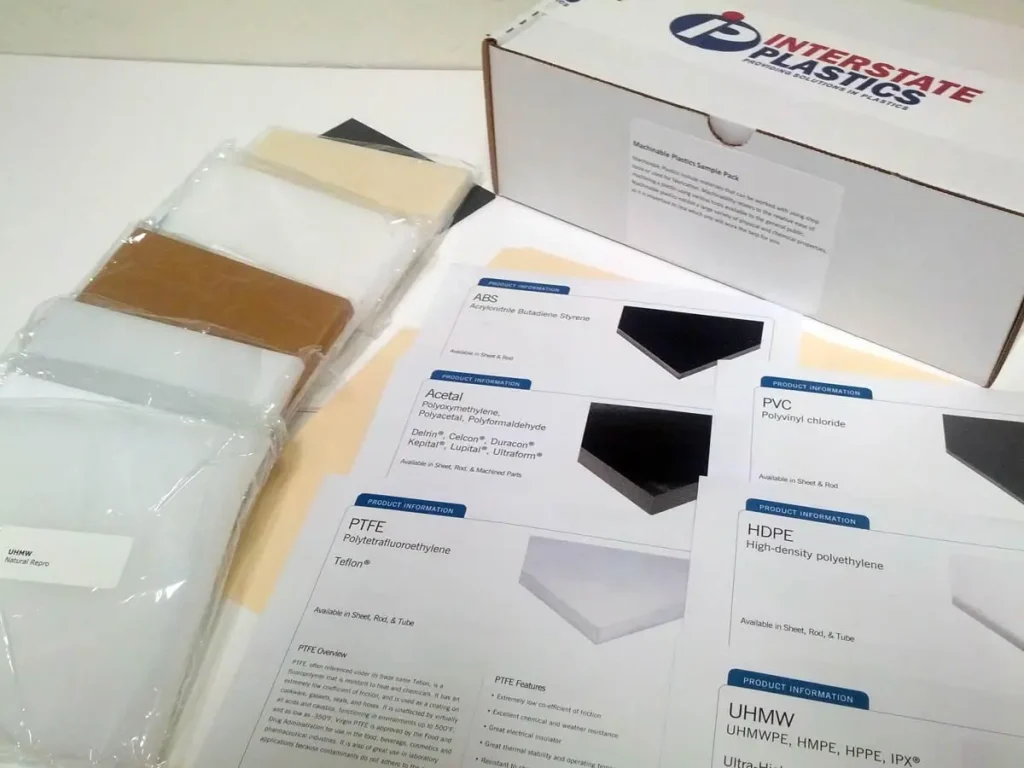
What Acetal Plastic Is
By any chance, do you know that the term “Acetal” is not a single one, but rather a big umbrella name for plastics of the POM group? In this family, the producers create two major types: copolymer and homopolymer.
A copolymer acetal merges slightly different monomer units in the polymer chain, which usually results in the material having stable dimensions, lower internal stresses, and better resistance to hot water and strong bases. Those features turn copolymer acetal into a safe choice for parts that are going to be exposed to caustic chemicals or moisture.
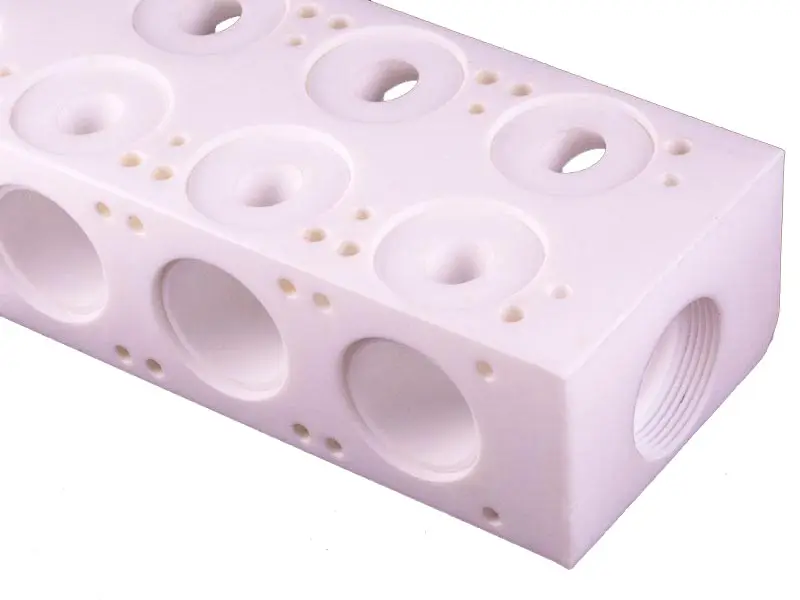
What Delrin® Really Means
Delrin® is not a totally different plastic - in fact, it is a brand name for a one type acetal homopolymer that was originally developed by DuPont. Among the homopolymer acetals, Delrin has a more consistent crystalline structure, and this gives it slightly better mechanical strength, stiffness, and resistance to wear. Machine operators often mention that Delrin has a smooth texture, low friction, and can be "surprisingly tough" even under heavy load, which is the main reason for its widespread use in high-precision applications.
Key Differences at a Glance
Whilst acetal and Delrin are very similar, there are clear differences that can matter depending on how the part will be used:
Mechanical toughness:
Delrin is usually a little stronger and more rigid than a copolymer acetal. That is the reason why it is mainly used for parts which are subjected to repeated stressing or require tight tolerances.
Chemical exposure:
In case your application is a mixture of strong caustics, acids, or bases, copolymer acetal is the one that will deliver better performance for a longer period of time. It is capable of handling hot water and harsh chemicals without disintegrating very quickly.
Dimensional stability:
The reason for this can be that the copolymer acetals usually keep their shape with less internal stress, which can be very important for injection molded or large structural parts
Friction and wear:
s molecular arrangement makes it naturally have a lower coefficient of friction and a smoother surface sliding - thus, it is perfect for bushings, gears, and any other moving assemblies.
When to Use Each Material
There is no strict rule that only one of them is right — both materials are great thermoplastics — but here is a convenient method to think about it:
- If strength, low friction, and tight fits are what Delrin is your choice. It is strong, durable, and you can machine it very well — even into thin or complicated shapes.
- When a chemical-resistant and long-term stable in terms of dimensions device is needed, copolymer acetal is the best choice. This is the reason why it is used in parts that are subjected to aggressive cleaners, solvents, or moisture.
Both of them can be machined or molded to be used as gears, bearings, rollers, and precision components which are used in the automotive, consumer products, and industrial sectors. And in a lot of everyday cases, they can be used as substitutes for one another — but the choice of the better macth for your application can increase both the performance and the service life.
Natural human-style summary
Acetal and Delrin are from the same plastic family, but Delrin is a trademarked form of acetal with a little bit more strength and less friction. Copolymer acetals are more resistant to chemicals and heat, thus each material is better for different kinds of industries.
Tone/style descriptors
- conversational but technical
- clear and practical
- engineering-focused without jargon overload
- balanced comparison
- real-world application perspective
