


Aluminum CNC Turning Services: Creating Accurate Parts Through Controlled Machining
Not all precision components can be characterized by complex shapes.
They are characterized by their accuracy in rotating, fitting, sealing or connecting.
Controlled cylindrical geometry is required in parts like shafts, bushings, spacers, housings and threaded parts.
Where aluminum CNC turning services become valuable will come to the fore.
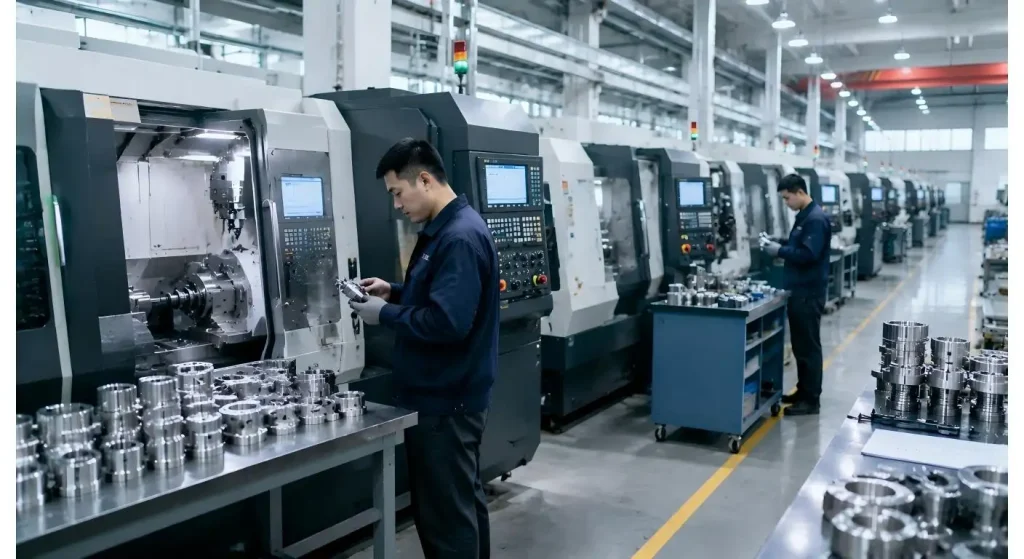
CNC turning is different from milling in that it rotates the workpiece to cut the outside and inside while the milling process uses rotating cutting tools to remove material from the work piece.
When it comes to aluminum parts, it is not just a matter of speedy machining to get the expected results.
It involves the control of material behavior, tool conditions, surface quality and dimensional consistency.
GD Prototyping can offer custom solutions in precision component CNC machining from prototype to production.
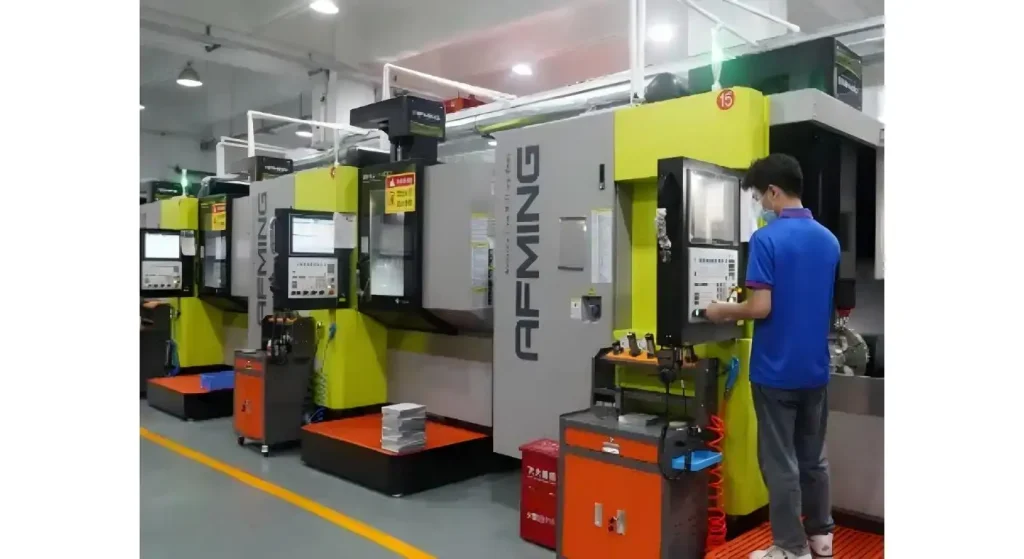
The popularity of using aluminum for CNC turned parts is discussed.
Aluminium is popularly chosen for turned components as it is an amalgamation of:
- lightweight properties;
- good machinability;
- corrosion resistance;
- Has a very good surface finishing potential.
All of these benefits make aluminum an excellent choice for:
- mechanical spacers;
- shafts;
- connectors;
- housings;
- precision fittings.
But there are certain aluminium machining problems as well.
Relatively soft structure allows the selection of the tool, cutting conditions and chip control to directly impact the final surface quality.
A good supplier knows how to manage the ratio of working efficiency and dimensional stability of the machine.
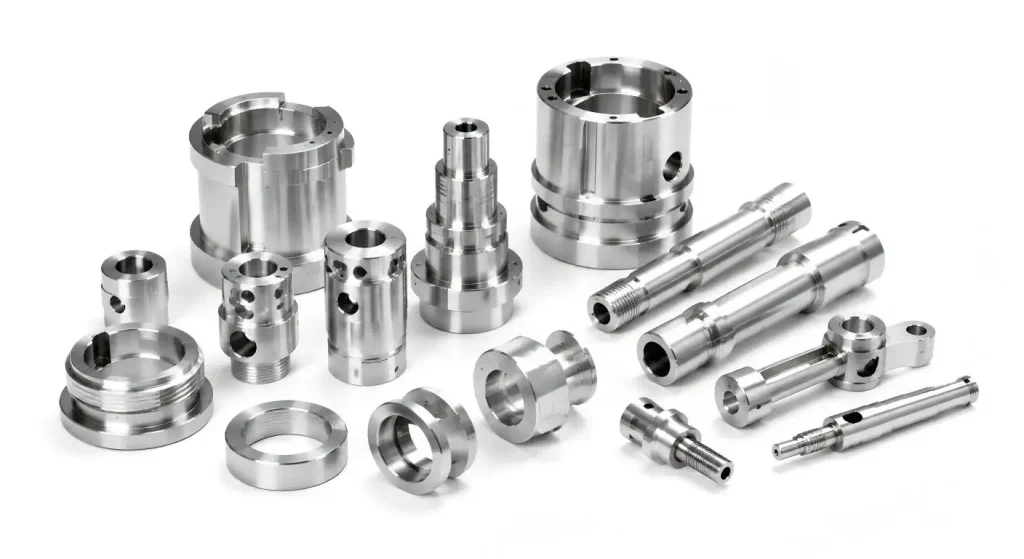
To perform CNC Turning, it is essential to have an accuracy of the rotation in control.
The primary problem of CNC turning isn't just with respect to diameter size.
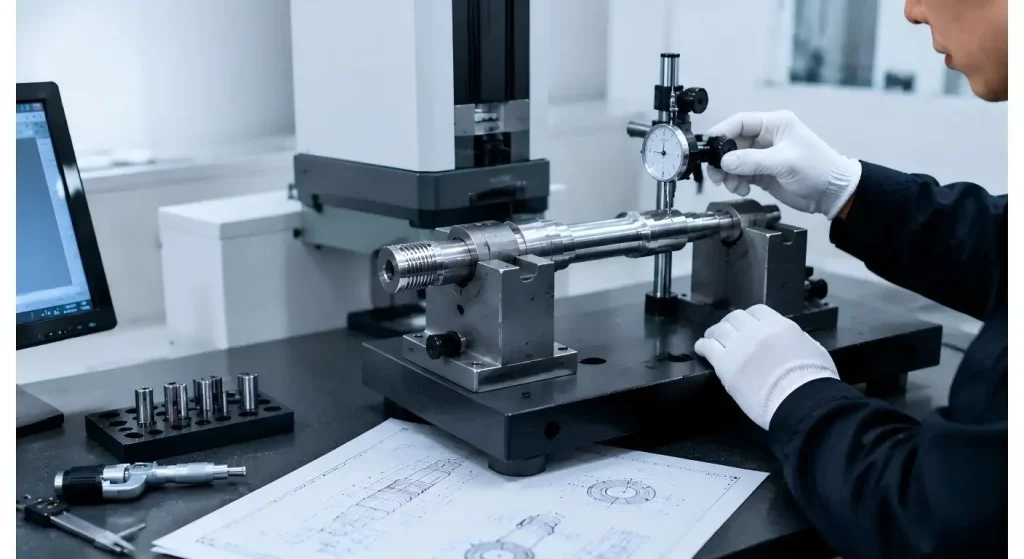
There are many turned pieces that involve multiple relationships of features:
- outer diameter;
- inner bore;
- shoulder position;
- thread location;
- concentricity.
Even a small deviation may have an impact on the assembly performance.
For instance, if a shaft is the right size but is not aligned with the bore and the outer surface, then this will cause issues.
Thus, professional aluminum CNC turning services are not only looking for the measurement of specific dimensions but also maintaining the entire geometry.
When precision is needed and repeatable production is required, GD Prototyping's precision machining capabilities are used for projects.
| Feature | Precision Concern | Application Impact |
| Outer Diameter | Dimensional accuracy | Assembly fit |
| Inner Bore | Alignment control | Mechanical movement |
| Thread Feature | Pitch and position | Connection reliability |
| Shoulder Area | Position accuracy | Component assembly |
Selecting the appropriate aluminum alloy to use is a key component in turning.Turning includes choosing suitable aluminum alloy to use.
Depending on the type of aluminum alloy, it may act differently when CNC turning.
The selected alloy has an impact on:
- cutting performance;
- chip formation;
- surface finish;
- strength requirements.
Some will require greater mechanical performance and others will be more concerned about easy machining and appearance.
An appropriate supplier needs to be aware of the relationship between:
materials > machine process > end use.
This will eliminate cases of a part being easily manufactured but not being able to function.
GD Prototyping offers a list of the materials that can be used for machining, allowing the engineer to determine which ones would be appropriate for use.
Surface Finish Affects End Use Performance of the Parts
Surface finish is a problem or a function requirement in many cases for turned aluminum parts.
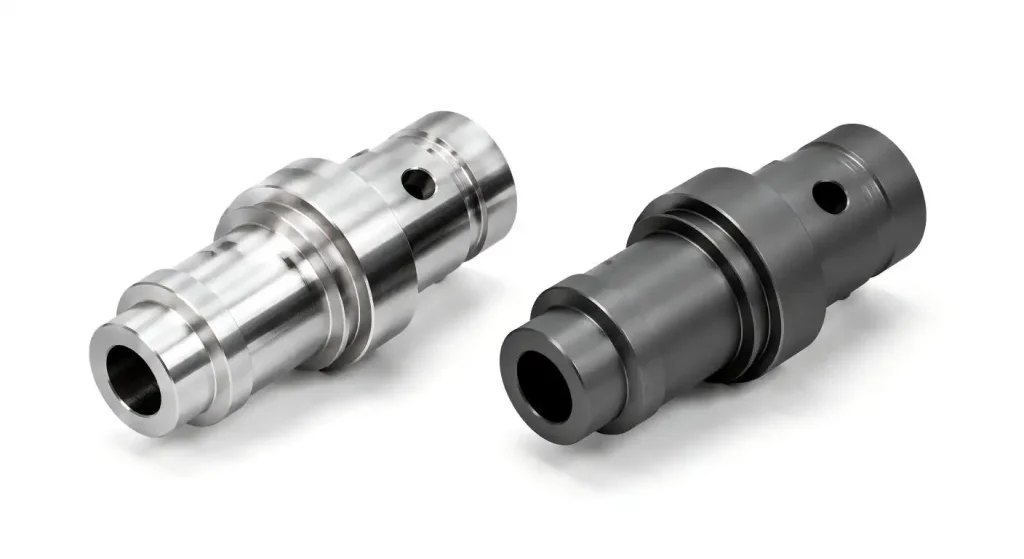
A smooth surface can be significant to:
- sliding movement;
- sealing contact;
- assembly fit;
- appearance.
The most common finishing processes are:
- anodizing;
- polishing;
- bead blasting.
But, after turning, finishing should be taken into consideration since there is a possibility of slight changes in dimensions after machining.
GD Prototyping's surface finishing services can be used to help provide extra protection or enhance the look of aluminum parts.
| Finishing Method | Main Benefit |
| Anodizing | Corrosion protection |
| Polishing | Improved appearance |
| Bead Blasting | Uniform texture |
| Coating | Additional protection |
Prototype Parts to Production Components.
Aluminum CNC turning services are not just applicable to mass production.
They also come in handy when developing products.
Often times engineers have to take several iterations of design to perfect a component.
CNC turning enables companies to quickly manufacture:
functional prototypes;
testing components;
small production batches.
This versatility is useful to businesses to test designs prior to making significant production investments.
With GD Prototyping's low volume CNC Machining services, businesses can benefit from the flexibility of prototype and small-scale production when transitioning from prototype to full-scale manufacturing.
Quality Control is the Key to Reliable Turning Services
Not only is a good turned component accurate one time.
Must be consistent throughout multiple parts.
Aim of Quality control is to be directed towards:
- diameter measurement;
- concentricity;
- thread accuracy;
- surface condition;
- batch consistency.
Inspection planning should start before the start of the process of aluminum CNC turning.
Detailed drawings and specifications of critical dimensions allow the manufacturer to concentrate on its resources in the right area.
So, here are a few tips on how to choose an aluminum cnc turning service provider.
But there's more to select a supplier than simply determining if they have CNC lathes.
Consider:
- Experience with aluminium materials;
- knowledge of the parts of a machine that rotate;
- inspection capability;
- finishing coordination;
- Flexibility of prototype and production.
A good supplier should be able to address manufacturing issues prior to production issues.
Final Engineering Check
When it comes to CNC turning services, you're not limited to only cylindrical components.
They make parts that are precisely made, need to fit, rotate, seal and perform reliably.
Combination of the following is the best:
- correct material selection;
- optimized turning processes;
- controlled tolerances;
- appropriate finishing;
- consistent inspection.
Precision turning isn't only for manufacturing round parts.
It's about creating components that function exactly according to the design.
FAQ
Q1. What are CNC turning service for aluminium?
They are CNC machining services that utilize CNC lathes to produce aluminum rotational parts such as shafts, bushings and fitting.
Q2. What are some of the things that can be CNC turned with aluminum?
Such parts include shafts, spacers, sleeves, connectors, housings and threaded parts.
Q3. Aluminum is a suitable material for CNC turning, why?
Aluminium is light weight, easy to machine, resistant to corrosion and is able to be finished to a high quality finish.
Q4. What is the accuracy of CNC turned parts made of aluminum?
The accuracy of the products is related to machine capabilities, tooling, material characteristics, part design and inspection techniques.
Q5. Is CNC turning capable of producing small batch?
Yes. CNC turning is suitable for prototypes, testing of parts and small volume production batch parts.
