


No More "Prototype Look" – Achieving Production-Grade Surfaces With Vacuum Casting Prototyping
Vacuum Casting Prototyping has long been valued for speed and low-volume cost, but many buyers still assume it delivers parts that look like prototypes—soft edges, visible bubbles, or mismatched colors. That assumption is outdated.
In 2026, GD Prototyping has transformed vacuum casting into a surface-critical manufacturing process. Today, your small batch of 20 or 200 parts can leave our facility looking, feeling, and reflecting light exactly like injection-molded production units. No more "prototype look." Only production-grade surfaces, ready for market testing, investor demos, or soft launches.
A Need for Higher Expectations in the Future
Dissatisfaction for brand credibility in overall exterior and surface quality is shown across the board. In the 2026 global sourcing trend, these factors are extremely important: tool marks, surface texture, and gloss level. All of these can cause a brand-spend strike. All of these elements can negatively impact brand credibility and overall satin finish appearance. Robust sourcing and exceptional quality on interior parts of the automotive industry, consumer electronics, and medical devices is key to success in today’s market. The absence of quality in materials and surface finish can impact performance of all projects.
•Focus group expectations = Stakeholder expectations = Retail buyer expectations = Sourcing expectations = Samples = Failing while being hand crafted.
•Medical and food contact applications = Regulation compliance and the need to finish non-porous and smooth surfaces to simplify the cleaning.
•Small batch production with a mass production finish = Consistent coloration and surface quality across the brand.
At GD Prototyping, our passion is directly matched with your expectations. The same can be said to us for the need to remove the customizable look from flooring.
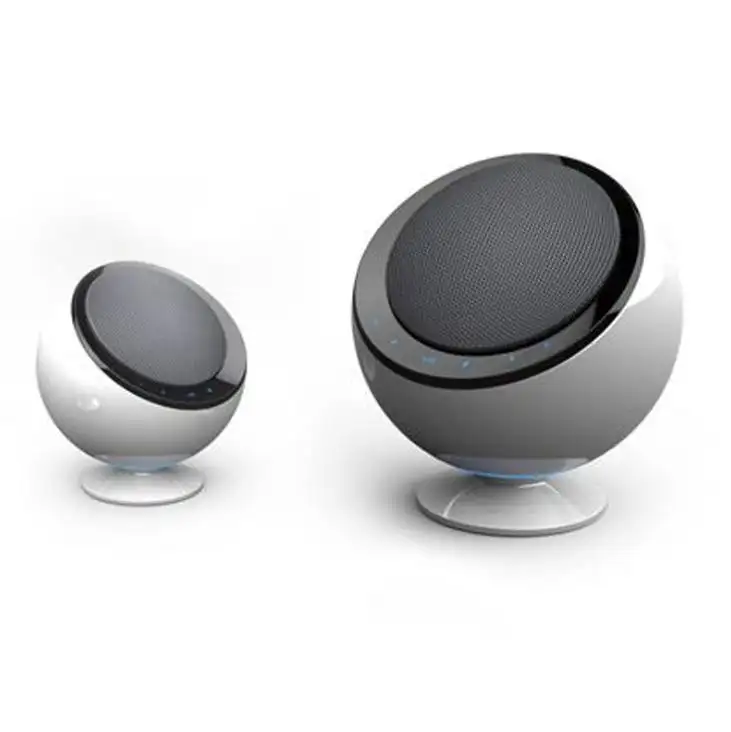
Us Eliminating The Need for Prototyping Look in the Casting Stage
At GD Prototyping, we aim to minimize surface defects. The Life Cycle Assessments we conduct on our own materials and processes show that, technologically, they outperform the alternatives in most categories.
•Functionality and value: These two virtues allow a surface quality to mean the absence of defects and mistakes.
•Glossy exterior surface: This surface quality refers to an exterior level that does not include gloss level, a level that consists of surface mirroring and clarity.
•Erratic surface: This defect type is the result of different textures and other controlling factors.
This means your parts, prototypes, for Vacuum Casting do not require an additional finish, but with an industry standard clean, consistent surface, painted, excel in direct use.
Advanced Finishing Techniques That Match Injection-Molded Standards
Even the best raw cast surface sometimes needs enhancement. GD Prototyping offers a full in-house finishing suite, turning good parts into indistinguishable production mimics.
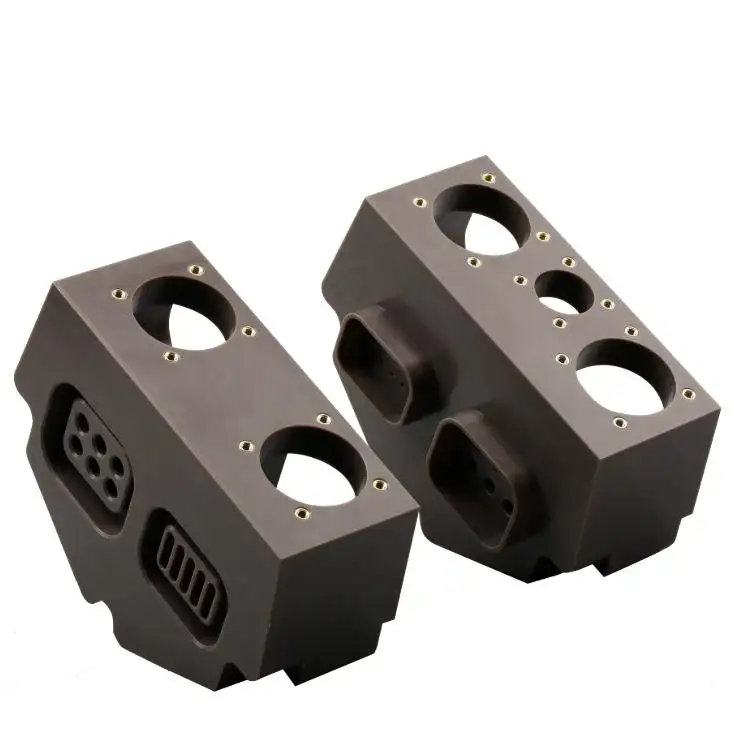
Painting & Color Matching
•We use automotive-grade two-pack paints and UV-cured coatings.
•Color matching with a delta E < 1.0 for Pantone, RAL, or custom colors.
•Robotic or hand-spray booths apply matte, semi-gloss, or high-gloss finishes.
Metallic Effects & Plating
•Reflective or brushed metal looks achieved with vacuum metallization, nickel, and chrome.
•Great for designing prototypes for luxury packaging, trim pieces, and emblems.
Pad Printing & Silk Screening
•For graphics (logos, controls, and labels) printed with hard, solvent-resistant inks.
•Multi-color designs with registration accuracy up to 0.1mm.
Two-Color & Overmolding
•Combine rigid ABS-like resin with soft-touch TPE in one cast.
•Creates seamless ergonomic grips or waterproof seals without assembly.
These are not "prototype finishes." They are the same techniques used in high-volume production, applied to your low-volume Vacuum Casting Prototyping order.
Materials That Take Finishes Properly
Surface quality also depends on the substrate. We use only certified imported polyurethane resins engineered for paint adhesion, polishability, and long-term gloss retention.
Products with different surface finishes include:
•ABS-like (gray-white, beige, black): Similar to ABS in both the color and surface finish.
•Transparent PU: Can be tinted or coated with a mask.
•Rubber-like (TPU, silicone simulants): Matte or textured finishes that don’t flake.
•Flame-retardant and anti-static grades: Maintain surface integrity under regulatory testing.
While each batch includes precise certifications, each batch includes materials so your team knows the finishes they’re working with.
Production-Grade Surfaces: The Real-World Impact on Your Business
Your vacuum casting prototyping parts looking like prototypes and not like poor quality parts mid-production.
•Get Market Feedback Earlier: No embarrassment when you show pre-production samples to real customers.
•Faster regulatory approval: Medical and electronic devices need to have a smooth, cleanable surface to meet initial certification to have a recess.
•Increased investment confidence: What you see, touch, and experience is most appreciated by the internal executives, as well as the crowdfunding backers.
•Reduced requalification cycles: Doc for your injection molding partner.
Good surface finish remains the most important factor for approval according to low-volume manufacturing insights by SME. GD Prototyping removes that risk.
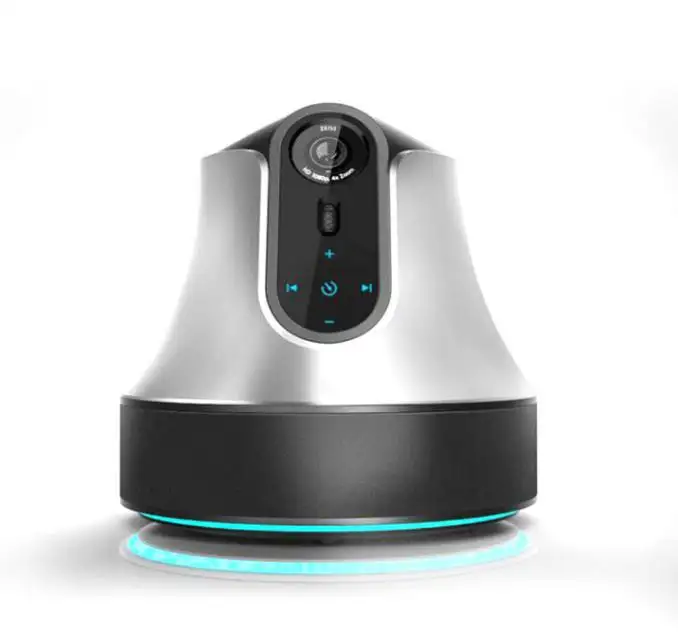
2026 Trend: Surface-Driven Procurement
Purchasing managers are no longer asking "Can you make it?" They are asking "Will it look like our final product?" Vacuum Casting Prototyping, when executed with finishing expertise, answers yes.
•Sustainable advantage: Less waste than machining from solid blocks; no steel tooling needed for surface-intensive parts.
•Speed: Full finishing has the quickest extension on standard lead times. It adds only 2-3 days on top of the 7-14 days.
•Transparent Quotes: We provide clear pricing for painting, plating, and silk screening. No hidden setup costs for single units or for a large run.
Through extensive investments in cleanroom painting booths, talented colorists, and stringent quality control standards, GD Prototyping delivers exceptional results. Every part is inspected under controlled lighting and inspected before we ship it.
Conclusion: Stop Settling For "Prototype Look"
Your next small batch of 10, 50, or 200 parts is deserving of surfaces which are of production grade. With Vacuum Casting Prototyping from GD Prototyping, you no longer need to pick from either low-volume economics or premium aesthetics. Our parts are engineered for exceptional performance, showcasing bubble-free casting, multi-layer painting, and precision silkscreening techniques.
Are you ready to experience the difference? Request your free quote – or download our surface finish guide for material-specific recommendations and gloss level samples.
Common Questions
Q: Can Vacuum Casting Prototyping do a Class A automotive finish?
A: Yes. Vacuum cast parts can achieve Class A surface finishes with our paint and polish capabilities.
Q: What is the maximum number of parts you can produce before the surface finish deteriorates?
A: A standard silicone mold is good for about 20–25 casts. GD Prototyping oversees every cast and ensures surface finishes are uniform throughout the run.
Q: Can you do Pantone color matching for specific brands?
A: Yes, we do delta E < 1.0 color matching with a color meter for both painted and cast color matched parts.
Q: What materials are good for shiny, clear parts?
A: For Vacuum Casting Prototyping, transparent PU resin is polished to optical clarity and materials are excellent for light guides, lenses, or display covers.
Q: Is it possible to have a part with different finish textures?
A: Yes, we have the capability to do multi-textured or multi-colored finishes in a single cast by means of masked painting, selective plating, and two-shot overmolding.
