


Avoid Common Silicone Mold Vacuum Casting Defects Easily
Silicone Mold Vacuum Casting turns a validated 3D design into reliable, small-batch parts without the cost or delay of hard tooling. Yet small mistakes still ruin good designs. Bubbles appear. Surfaces turn dull. Edges warp. Deadlines slip. Budgets swell. The root causes are simple, but easy to miss on a busy build. Air stays trapped. Resins cure unevenly. Gates and vents work against you. The good news: these defects are predictable and preventable. With a few precise steps, consistency returns. Today, we reveal what to change, what to measure, and what to stop doing - so your next batch looks production-ready.
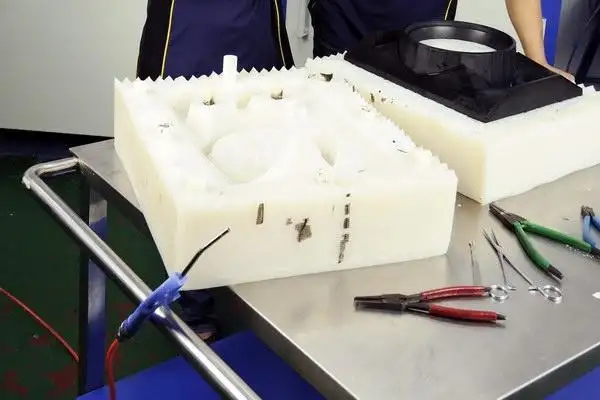
Understand Defects And Design Out Risk
Silicone Mold Vacuum Casting is chosen for speed, precision, and economy - but bubbles, sink marks, warpage, and cloudy surfaces can still creep in. The usual culprits are not mysterious: trapped air, resin that was never properly degassed, uneven wall sections, rushed demolding, and an environment that swings in temperature or humidity. These failures add cost and uncertainty, especially when teams must present parts to leadership or customers on fixed dates.
At GD Prototyping, we address those pain points before resin ever touches the mold. Our engineers run DFM Analysis and Moldflow/CAE to set wall thickness guidelines, define gate and vent locations, and flag geometry likely to shrink or twist. We calibrate vacuum profiles to clear air efficiently and schedule cure and post-cure to manage shrink. The result: smooth skins, crisp details, and dimensions that track to intent - close to injection-molded quality while you are still proving out design and function.
- Materials And Finishes That Match Real Use
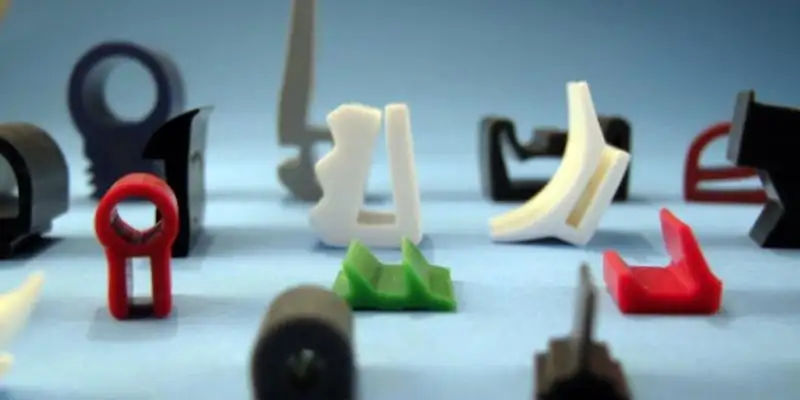
Vacuum molding supports a wide material envelope. We cast certified polyurethane systems that simulate ABS, PP, rubber-like elastomers, and optically clear grades. Where projects demand special behavior, silicone, rubber, and select thermoplastics are available. After casting, our finishing suite - painting, plating, silk screening, plus two-color and overmolding - lets you validate both performance and brand appearance before committing capital to steel.
Practical Controls To Stop Bubbles, Sink, And Warpage
Most defects disappear when the production routine is disciplined and repeatable. Our approach blends engineering controls with tight shop-floor execution to stabilize outcomes across small batches.
- Process Controls That Matter
• Vacuum & Degassing: Thorough resin degassing and tuned vacuum draw remove micro-bubbles before gel.
• Thermal Management: Mold, resin, and ambient conditioning stabilize viscosity and shrink, a key to warpage control.
• Gate/Vent Strategy: DFM-driven gating and venting speed flow and evacuate trapped air pockets.
• Cure Profile & Demold: Timed gel, cure, and measured post-cure prevent sink and protect fine detail at release.
• Surface Prep: Standardized tool cleaning and release agents avoid fisheyes, peel, and gloss inconsistency.
• Dimensional Verification: PSW inspection, optional full dimensional reports, and PPAP after production start keep drift in check.
These controls are why low-volume silicone vacuum casting services excel for pilot builds and functional testing. You get consistent appearance across dozens of units and material behavior that tracks to production plastics, without the overhead of injection tooling.
What You Can Expect On Timing And Tooling
From approved CAD to first articles, most projects run 7 - 14 days, with RFQs answered within 12 hours. General tolerances follow industry best practices, with actual capability depending on geometry and resin selection. For tooling, we offer Rapid Tooling and Production Tooling in Tool Steel P20, Carbon Steel S50C, or Aluminum. Typical lead times are 2 - 3 weeks for rapid tools and 4 - 5 weeks for production tools. We store molds for a minimum of 2 years and handle maintenance; if your design evolves, we can remachine the mold on a case-by-case basis. Standard MOQ is about 200 runs for vacuum cast parts, and reorders are quoted by quantity with a $150 / €120 setup. In practice, our silicone tooling delivers 20+ pulls with consistent finish, which stretches budget and compresses schedules in early programs.
- Proven Small-Batch Advantages
• High Precision, Fast Production: Turn validated designs into dimensionally stable parts within days.
• Reduced Bubbles And Defects: Vacuum environment and degassing limit porosity and surface blemishes.
• Diverse Materials: Polyurethanes that simulate common production plastics, plus elastomers and clear grades.
• Finishing Flexibility: Painting, plating, silk screening, two-color, and overmolding for production-like looks.
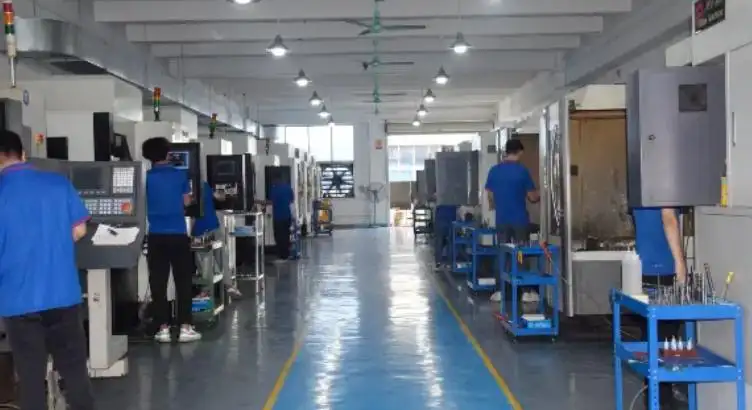
From Prototype To Pilot - A Smarter Path To Launch
Your goal is a part that installs cleanly, passes tests, and earns stakeholder confidence - not just a nice demo piece. Our program structure mirrors production thinking while staying nimble for design change.
- A Production-Minded Prototype Flow
We start with sample verification (FAI-like). After initial mold machining, you receive two sets of parts to verify fit and function before full release. This step catches tolerance stack-ups early, which avoids rework and preserves your timeline. Throughout the build, our Control Plan governs consistency, and we maintain full process control to protect a near-zero rejection trajectory. For regulated markets, we can supply material certifications and inspection reports on request - useful when your next gate involves compliance or validation.
- When Casting Beats 3D Printing
Additive manufacturing is unbeatable for same-day iterations and complex lattice geometries. Still, Silicone Mold Vacuum Casting tends to win when you need:
• Injection-Like Surfaces And Feel: Production-adjacent cosmetics without the cost of steel.
• Repeatable Finishes On Identical Geometry: Paint, plate, and print the same part consistently across short runs.
• Material Behavior Close To Production Plastics: Polyurethanes that mimic ABS, PP, elastomers, and clear grades.
• Consistency Across Dozens Or Hundreds Of Units: Stable color, gloss, and dimensions for pilots and market tests.
For consumer devices, automotive interiors, optics housings, and rapid prototype vacuum casting in medical and industrial spaces, this path reduces risk while building a solid case for tooling - fewer surprises, cleaner launches, and better use of budget.
Call To Action
Ready to remove defects and keep your schedule intact? Send your CAD to GD Prototyping for quick DFM feedback and a time-boxed plan from first articles to small-batch delivery. Let's build a smoother path to market with Silicone Mold Vacuum Casting - fast, predictable, and cost-effective.
