


What Is The Rapid Prototyping Model? A 2026 Guide To De-Risk Delivery
In 2026, hardware teams don't have the luxury of guessing. Every tolerance, finish, and fixture decision carries risk and cost. The Rapid Prototyping Model is GD Prototyping's disciplined way to move from concept to end-use parts with predictable quality, time, and cost. It replaces ad-hoc builds with an evidence-focused framework and a CNC machining engine that turns decisions into documented, repeatable results.
This guide shows how the framework works in practice, how our CNC capabilities implement it, and how to engage with us from your first sketch to scaled production. We keep the focus on practical choices. We capture data and carry it forward. We keep schedules visible and under control.
What you will be able to do:
• Clarify the stages of development and the decision gates that define progress
• Select materials, tolerances, and finishes that avoid rework and late changes
• Establish transparent reviews and reliable lead times that keep momentum
What is the Rapid Prototyping Model?
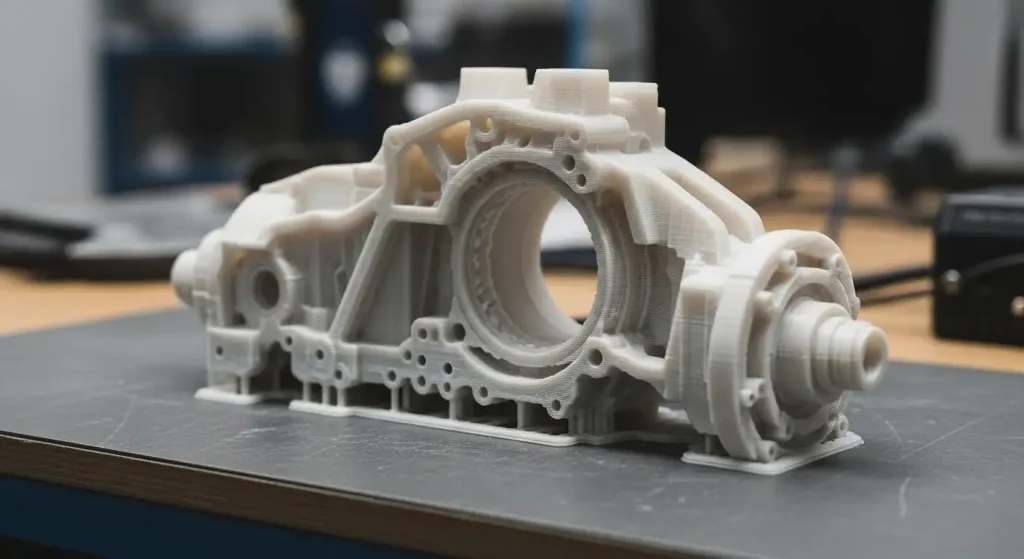
The Rapid Prototyping Model structures development into three linked phases - rapid prototypes, low-volume production, and end-use production. Each phase targets a specific risk and preserves the decisions that have been validated.
• Rapid prototypes confirm geometry, fit, and functional intent. Validate design performance without locking into costly tooling.
• Low-volume production substantiates repeatability, supplier readiness, and process stability. You confirm consistent output and that quality control workflows detect what matters most.
• End-use production scales with tight tolerances and established reliability. You standardize processes and deliver thousands using the fixtures and programs you've already proven.
By design, this model compresses time to market without compromising engineering integrity. It creates an evidence trail - tolerances, materials, finishes, and setup choices - that makes each iteration faster and safer. At GD Prototyping, the same fixtures, CAM programs, and review cadence follow you from your first parts to large batches. You avoid late surprises because you validate early and keep the learnings documented.
Why it De-Risks Hardware in 2026
Hardware programs usually fail for predictable reasons: tolerance drift discovered after tooling, finishes that miss wear or aesthetic targets, materials that look good on paper but machine poorly, supplier communication breakdowns, or queue delays that force compromises. The Rapid Prototyping Model addresses these issues by moving proof upstream.
We validate critical features when the cost of change is low. We measure capability under variation and lock finish requirements before scale. We run our in-house machine shop 24/7 to reduce queue time, and we provide one-on-one support within 12 hours so decisions keep moving. Iterations are fast. Reviews are open. Lead times are reliable because process risk is managed from day one.
CNC Capabilities That Power the Rapid Prototyping Model
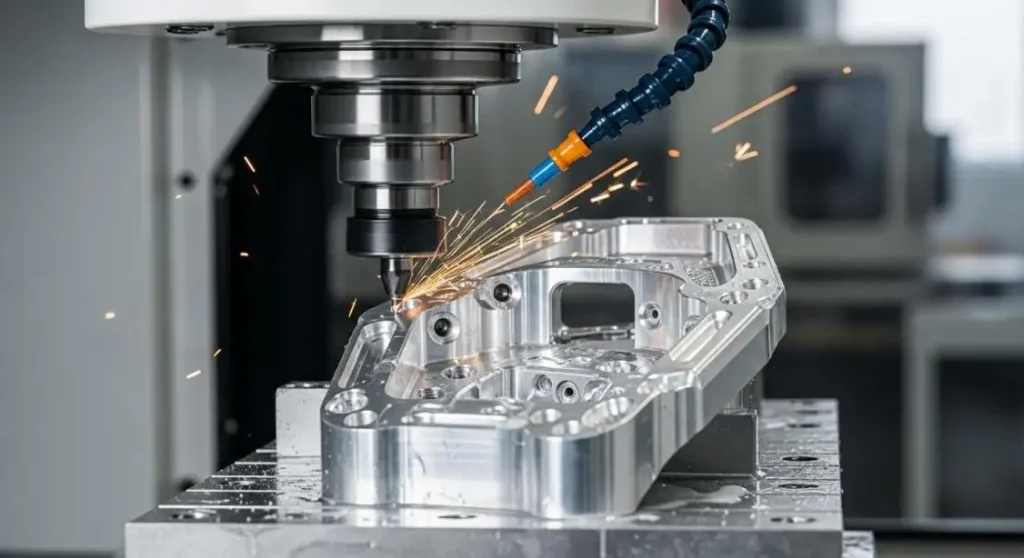
CNC machining is the execution engine of this framework. GD Prototyping operates:
• 3-axis and 4-axis milling for efficient prototypes and functional parts
• 3+2-axis strategies to minimize re-clamping and maintain positional accuracy across multiple faces
• Simultaneous 5-axis milling for intricate geometries, controlled tool approach, and superior surface integrity
• CNC turning to produce axial and radial features - holes, flats, grooves, slots - for precise assemblies and end-use parts
This range covers simple validation parts and complex, high-precision components across plastics and metals. It enables fast setup changes and reprogramming. It scales from single pieces to 1,000+ parts without hard molds or costly re-tooling. The result is flexibility with control: test a design today and scale the same process tomorrow. You avoid hidden investments and keep your options open.
Precision, Tolerances, and Finishes You Can Trust
Precision isn't a single dial - it's a process. GD Prototyping aligns general machining tolerances to DIN 2768-1: fine for metals and medium for plastics. Tolerances vary with geometry and material behavior, and for critical features we hold tight tolerances to ±0.05 mm. When sealing interfaces, bearing seats, or optical surfaces are involved, we achieve surface roughness to Ra 0.2 μm.
As-machined parts naturally show tool marks - this is part of subtractive manufacturing. For components where surface quality is critical, we align finish specifications with tribology, durability, and visual intent, then vet them early to reduce late-stage edits. Prior to machining, project managers run DFM and tolerance reviews. We reveal cost levers, potential failure modes, and cumulative tolerance effects so you can prevent rework and achieve predictable quality.
How to Work With GD Prototyping Today
Built to be clear and efficient, our method keeps you moving fast with rigor applied where it's needed.
• Share CAD, CTQ features, and tolerance limits
• Receive a DFM and tolerance review with targeted, data-backed optimization recommendations
• Select materials and finishes with engineering support tuned to your performance goals
• Build prototypes to validate geometry, functionality, and visual quality
• Run low-volume builds to confirm repeatability and robustness of quality systems
• Scale to end-use production with the same fixtures, programs, and process controls locked in
A Practical Example
Imagine a handheld enclosure with high-precision snap-fits and a brushed finish. During rapid prototyping, we apply 3+2-axis machining, manage re-clamps, and verify multi-face fit. Minor tool marks are acceptable at this point - the purpose is functional verification. As the design stabilizes, the low-volume phase locks repeatability for the snap-fit and checks that the finishing process meets wear and visual standards without over-polishing critical edges. We commit to end-use production only after repeatability is proven - porting the same fixtures, programs, and QC checkpoints so final parts mirror the performance you validated. This is the Rapid Prototyping Model: evidence early, fewer downstream surprises.
Why Choose GD Prototyping
Method over guesswork: The Rapid Prototyping Model brings structure while preserving speed.
Material versatility: Metals and plastics run to the right tolerance classes with appropriate finishes.
Speed, responsibly: 24/7 in-house operations cut queues; one-on-one support within 12 hours keeps decisions moving.
Consistency you can trust: Fixtures, CAM, and reviews from prototyping are maintained into production.
Call to Action
De-risk your next build with GD Prototyping. Send your drawings and requirements, and receive one-on-one support within 12 hours. With full CNC capability and continuous operations, we help you achieve precise, on-time parts without compromising quality. Scale with the same process you used to prove success. That is how you de-risk delivery in 2026.
