


Prototyping Services 101: SLA, SLS, MJF, DMLS Explained
Prototyping Services are the bridges between a CAD file and a part you can hold, test, and improve—without waiting weeks for tooling. At GD Prototyping, we run a dedicated 3D printing center with SLA, SLS, MJF, and DMLS capabilities, covering both plastic and metal materials. For beginners, this matters because each technology is “good” for a different reason: one wins on surface finish, one on strength, one on speed and repeatability, and one on true metal performance.
In this guide, we explain what each process does in plain language, how to pick the right one for your first prototypes, and what “good parts” look like in real projects.
What Prototyping Services Really Include in 3D Printing
Many buyers think Prototyping Services are just “printing a model.” In practice, they are a workflow that reduces project risk. You start with a part goal (fit check, visual demo, functional test, or small-batch production), then match it to a printing process, material, and finish.
At GD Prototyping, we support rapid prototyping through low-volume manufacturing with a focus on precision, surface quality, and durability for demanding applications. When you use the right process early, you reduce rework later. You also avoid overpaying for features you do not need.
Here is what practical Prototyping Services should help you achieve:
✅ Faster design decisions, because physical parts reveal issues CAD can hide
✅ Lower upfront cost, because you minimize tooling and assembly steps
✅ Better communication, because teams can review a real sample, not guesses
SLA Explained: When Details and Smooth Surfaces Matter
SLA (Stereolithography)
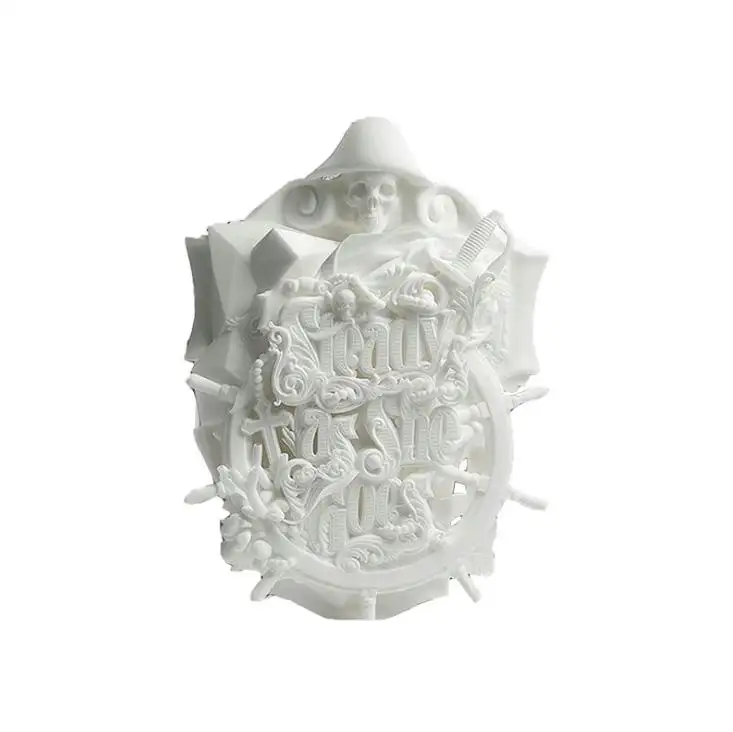
SLA uses a UV laser to cure photosensitive resin layer by layer. It is known for excellent accuracy, smooth surfaces, and fine detail. If your first prototype is meant to look like the final product—or needs tiny features to be readable—SLA is often the cleanest start.
SLA is commonly used for jewelry prototypes, dental models, and high-detail concept parts. It is also a strong choice for investor demos, show samples, and ergonomic checks where surface quality influences perception.
From a production standpoint, SLA can also handle large builds. GD Prototyping supports build sizes up to 1380 × 680 × 480 mm on SLA systems, which is helpful when you need big housings, covers, or display prototypes without segmenting the model.
✅ Choose SLA if you need: clean appearance, sharp edges, and fine text
✅ Avoid SLA if you need: high heat resistance or heavy mechanical loading
SLS Explained: Strong Nylon Parts Without Support Structures
SLS (Selective Laser Sintering)
SLS uses a laser to fuse powdered material, typically nylon, and it does not require support structures in the same way SLA does. That makes SLS excellent for complex internal channels, lattice structures, and durable “real-use” prototypes.
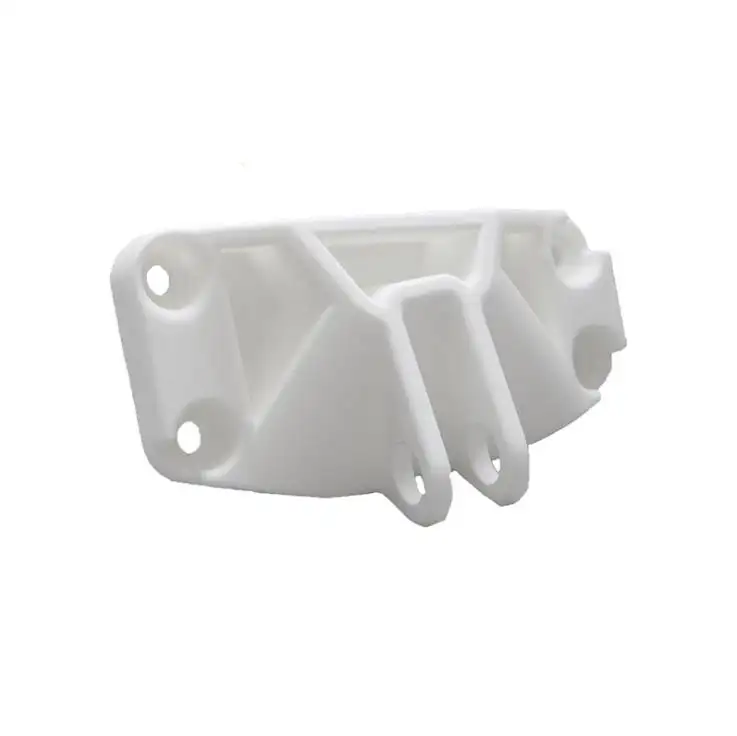
If you are printing brackets, functional enclosures, snap-fit parts, or complex assemblies, SLS often delivers a better balance of strength and design freedom. It is also widely used in industries like aerospace, medical, and advanced product development because the parts can be tough and heat-resistant relative to many resin options.
In our Prototyping Services workflow, SLS works well when your first question is: “Will this survive handling, vibration, and real assembly?” It is a practical step before investing in machining or molds.
✅ Choose SLS if you need: durable nylon prototypes and complex geometry
✅ Typical improvement: fewer design compromises, because supports are minimized
MJF Explained: Fast, Consistent Plastic Parts for Functional Iterations
MJF (Multi Jet Fusion)
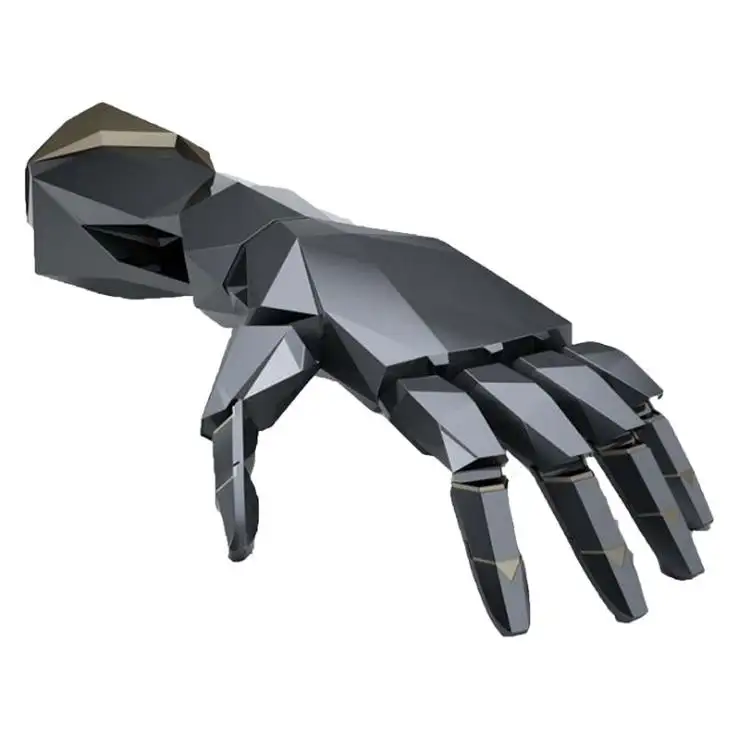
MJF applies fusing agents to a powder bed before heating, producing strong, dimensionally stable plastic parts at good speed. For many teams, MJF becomes the “workhorse” process for repeated functional iterations, jigs, fixtures, and low-volume runs.
One reason engineers like MJF is its dependable dimensional behavior. In GD Prototyping’s technical specs, MJF can achieve ±0.3% dimensional accuracy with a lower limit of ±0.3 mm, with a typical layer height around 80 μm. That is practical for assemblies where parts must fit reliably, even when you order again for the next design version.
MJF is especially strong for functional prototypes and small-batch production in nylon-like materials, and it supports efficient scaling when your prototype becomes a pilot run.
✅ Choose MJF if you need: fast iteration, repeatable fit, and strong plastic parts
✅ Best use cases: functional housings, clips, fixtures, and small production batches
DMLS Explained: True Metal Prototypes When Strength Is the Requirement
DMLS (Direct Metal Laser Sintering)
DMLS is used for metal printing. A laser sinters or melts metal powder to create dense, high-strength metal parts. When you need metal behavior—strength, temperature stability, and long-term durability—DMLS is often the right step.
At GD Prototyping, DMLS supports a maximum build size around 200 × 200 × 300 mm, and a common layer height is about 30 μm, which helps produce precise features for industrial-grade applications. Lead time is typically longer than plastic processes, often around 7 business days, because metal printing and post-processing are more involved.
DMLS is a good fit for aerospace, medical, molds, and industrial components where “plastic is not a valid test.” It is also valuable when you want to consolidate assemblies into fewer parts, reducing fasteners and simplifying supply chains.
✅ Choose DMLS if you need: real metal performance and high strength
✅ Plan for: post-processing steps like heat treatment or bead blasting
How to Choose the Right Prototyping Services for Your Part
If you are new to 3D printing, selection becomes easy when you start from the test goal, not the process name.
✅ If the goal is visual realism, start with SLA and consider polishing, painting, or clear coating
✅ If the goal is functional testing in plastic, choose MJF or SLS for strength and stability
✅ If the goal is metal validation, choose DMLS and include finishing like heat treatment
Materials also matter. Our Prototyping Services support a wide range of plastics such as ABS, PC, PP, Nylon (PA6/PA66), POM, PMMA, PEEK, PTFE, plus engineering variants like glass-filled or flame-retardant options. For metals, we support options such as aluminum alloys (6061/7075 and more), copper, brass, titanium, and additional alloys upon request. If you do not see your target material, you can choose “Custom” for an expert review based on geometry, tolerances, inspection needs, and quantity.
Finishing is the final lever that many beginners overlook. A good finish can turn a “print” into a “product sample.” Options like dyeing (for nylon), vapor smoothing (for ABS/ASA), bead blasting, electroplating (for resin parts), and painting can dramatically improve appearance, feel, and performance in tests.
A Practical CTA: Get a Quote, Get a Sample, Move Faster
Good Prototyping Services should shorten your learning cycle. If your team is deciding between SLA, SLS, MJF, and DMLS, the simplest next step is to share your part goal and let the process match the requirement.
CTA: Contact GD Prototyping for a free quote and a fast recommendation. Send your 3D file, target material (plastic or metal), your use case (visual, fit-check, functional test, or small batch), and any critical dimensions. For rush projects, 1–2 day prototype turnarounds are often achievable, bringing validation forward and limiting expensive redesigns before you ramp. When prototypes drive learning, decisions improve and risk declines—that’s the essence of effective prototyping.
