


Precision CNC Milling: Where Accuracy Becomes Repeatable Manufacturing
A CNC machine can produce a part that is exactly as per a CAD model, but this does not necessarily correspond to the expected performance of the part.
When it comes to precision manufacturing, it is not only about achieving a certain size.
It is preserving the association between various features such as hole, surface, edge and tolerances that must remain throughout the entire production process.
That's why Precision CNC Milling is not just about removal of material.
It's about managing all of the factors that impact the outcome.
GD Prototyping offers CNC manufacturing solutions to help prototype and precision part development and support engineers in taking their digital designs to functional parts through our CNC machining services.
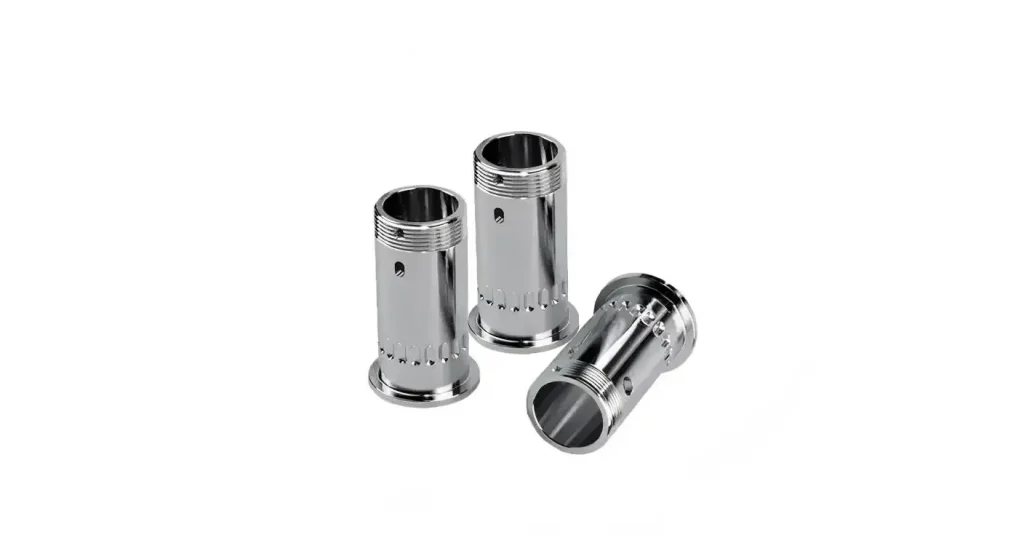
The precision starts before beginning the machining.
A lot of machining problems can be created before you even put the first tool to metal.
Unnecessary tight tolerances might be included in a drawing. Access to a feature may be challenging. If there is a sharp inwards corner, more processes may be needed.
The design intent should be the first topic of discussion for precision CNC milling projects.
Engineers should identify:
- control of assembly (which surfaces);
- what are the dimensions that impact on performance;
- which features are to be carefully monitored;
- In which areas are there manufacturing flexibilities?
A good drawing allows machinists to concentrate on precision where it is needed and where it will add value rather than everywhere!
GD Prototyping's fast turnaround and rapid prototyping services enable teams to test their designs early on in the process, prior to the decision to move into larger production.
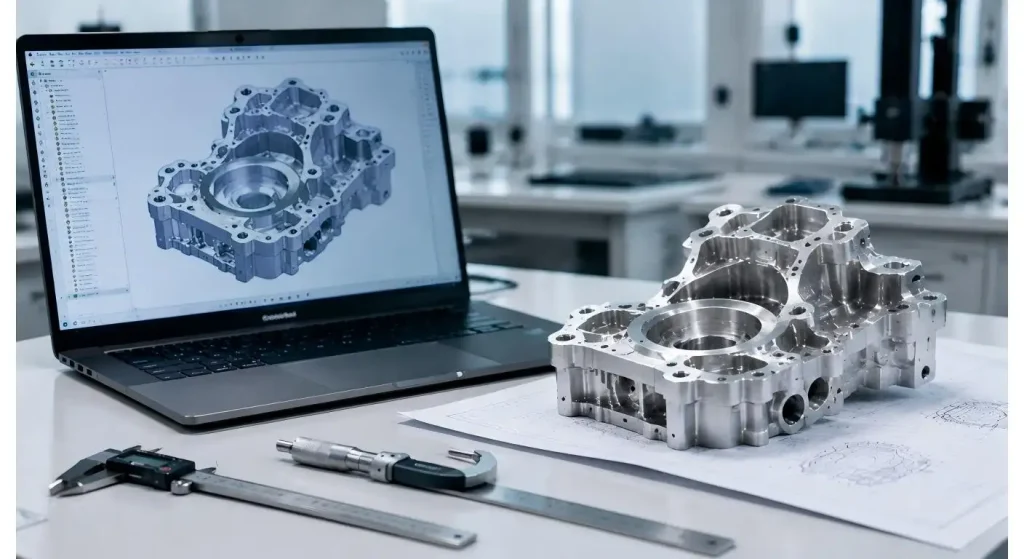
There are more than just machine capabilities that determine accuracy.
While the high end CNC machine is significant, it is just part of precision milling.
The actual accuracy is dependent on the complete process:
- fixture stability;
- tool selection;
- cutting parameters;
- material behavior;
- thermal control;
- inspection method.
The machine could potentially be extremely accurate but if the set-up plan is poor, then so will be the accuracy of the final result.
That is why it is essential that successful manufacturers work on process control and not just advertise the machine specifications.
Precision is a result of having each step compliment the other.
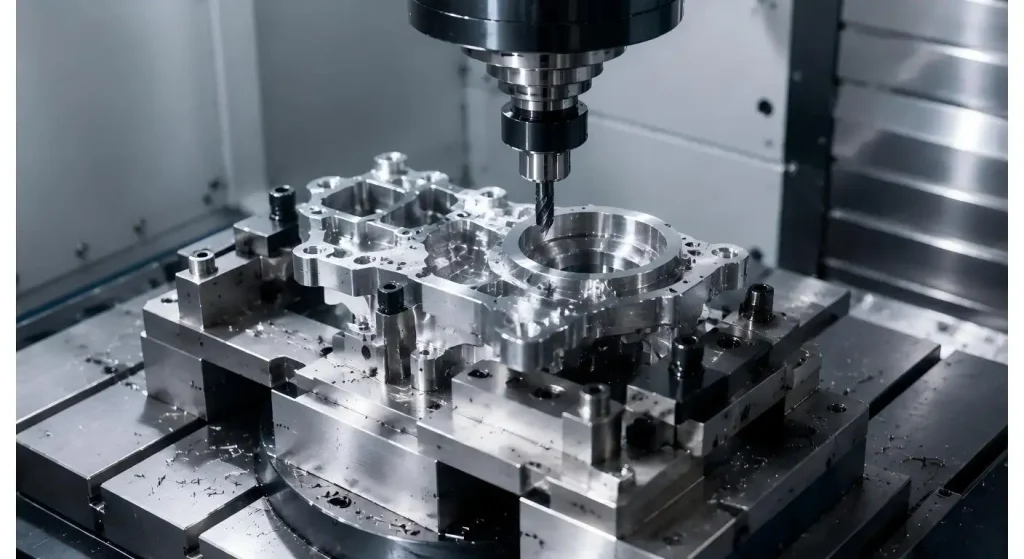
Selecting Tolerances For Function
A frequent error in precision machining tasks is to consider all dimensions as being equally vital.
But there is different responsibilities for different features.
Some parts, such as a bearing seat, mounting surface or alignment hole, may need to be controlled very tightly, while other cosmetic surfaces on the outside of a component might be less critical.
The intent is not to get the lowest tolerance.
The correct tolerance is the aim and it should ensure:
- proper assembly;
- reliable operation;
- repeatable manufacturing;
- reasonable production cost.
| Material | Common Advantage | CNC Milling Consideration |
| Aluminum | Lightweight and easy machining | Control deformation |
| Stainless Steel | Strength and durability | Manage cutting load |
| Titanium | High performance | Control heat generation |
| Engineering Plastic | Lightweight and flexible | Prevent dimensional change |
The results of the milling process are influenced by the change of the material behavior.
Not all CNC milling techniques work with all materials.
Different materials respond differently in the cutting process and each has its own characteristics: Aluminum, stainless steel, titanium and engineering plastics.
Material properties influence:
- cutting force;
- heat accumulation;
- deformation risk;
- surface finish;
- tool life.
For instance, light parts made of aluminum may need special fixture support, and hard materials, such as hard aluminum alloys, may need to be optimized for the cutting parameters.
GD Prototyping's materials selection resources will offer engineers a point of reference when looking at various manufacturing options.
| Feature Type | Precision Focus | Manufacturing Purpose |
| Mounting Surface | Flatness and position | Ensure assembly accuracy |
| Precision Hole | Diameter and location | Maintain alignment |
| Contact Surface | Surface finish | Improve fitting performance |
| Non-critical Area | Practical tolerance | Reduce unnecessary cost |
Surface Finish is Part of Precision
Precision doesn't stop when the specified size is reached.
Surface condition can have an impact on:
- sealing performance;
- friction;
- assembly fit;
- appearance;
- coating results.
Irregularity of the tool marks and uncontrolled edges on the machined surface may cause trouble although the measurements may be satisfactory.
That's why it is advisable to consider finishing as a part of the machining planning and not a finishing operation.
GD Prototyping also offers surface finish services which can be used in conjunction with CNC manufacturing processes.
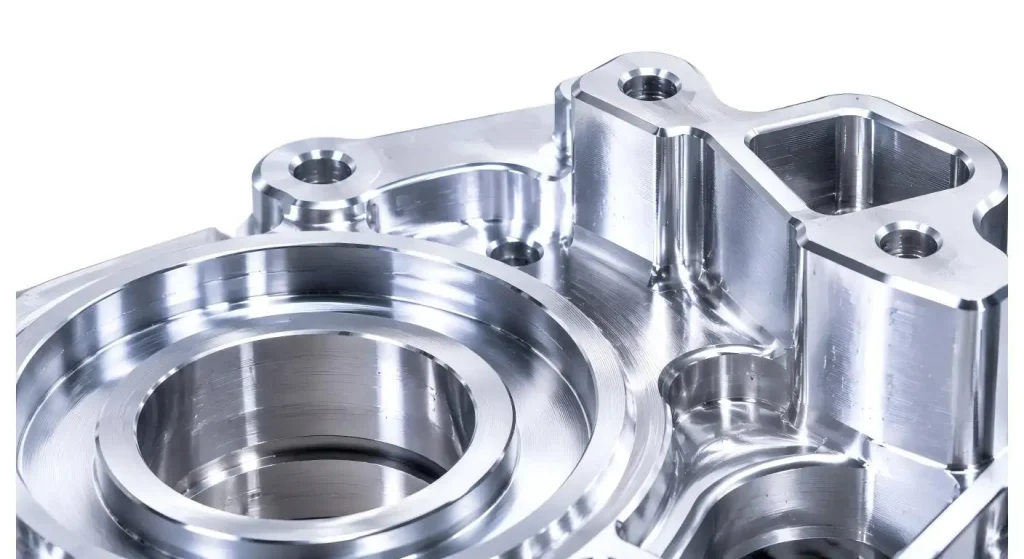
When students are inspected, they become confident in their accuracy!
Making a single accurate CNC milling sample isn't enough for a precision CNC milling project.
The question is can the process be repeated to produce acceptable parts?
The following factors should be taken into account in planning an inspection:
- critical dimensions;
- measurement methods;
- reference datums;
- batch consistency.
When dealing with complex parts, inspection should be linked with the machining method since the start.
In this way, it is prevented that a part goes through the gauge and is still troublesome during assembly.
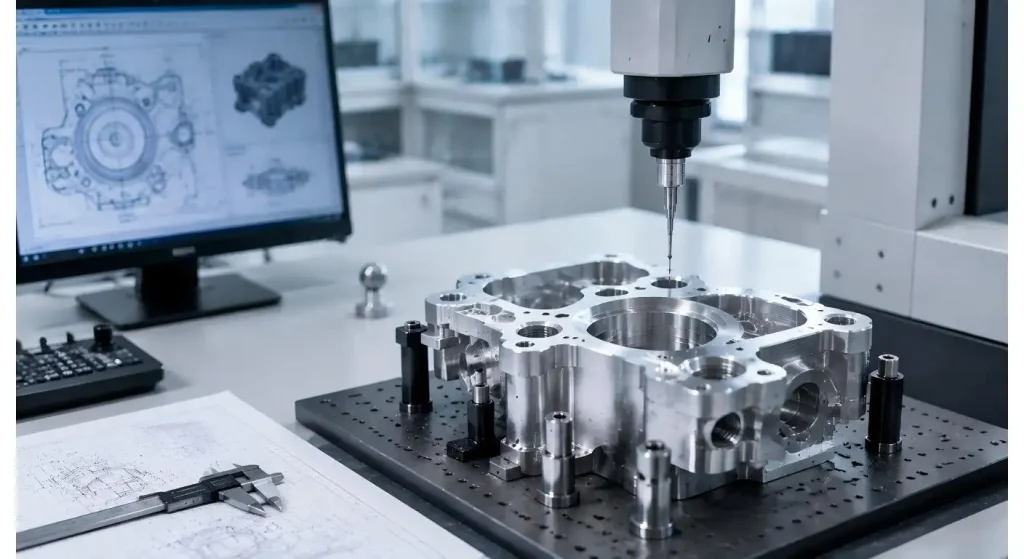
Precision CNC Milling, prototyping and low volume production.
Precision milling can be helpful throughout the product development process as there may be further changes to the design.
As opposed to processes which need costly dedicated tooling, CNC milling enables engineers to alter CAD files and rapidly make more recent versions.
This suitable for:
- functional prototypes;
- engineering validation;
- pilot production;
- customized low-volume components.
GD Prototyping's low volume CNC machining services enable companies to meet the prototype testing and early production needs.
Final Engineering Check
The smallest tolerance a machine can achieve is not the only measurement of Precision CNC Milling.
The true benefit is having control of the complete manufacturing line:
Understanding of design interpretation, machining strategy, material behavior, finishing process and inspection.
A perfect part is accurate not just once.
Repeats facts with precision.
FAQ
Q1. What do you mean by Precision CNC Milling?
Precision CNC Milling is a type of machining, which uses computer-controlled cutting tools to create components with precise dimensions and controlled surface qualities.
Q2. What are the factors affecting the accuracy of CNC milling?
Both the accuracy and quality of accuracy rely on the condition of the machines, tooling, stability of the fixture, the properties of the materials, machining parameters, and inspection methods.
Q3. Is it possible that the tighter tolerances do not necessarily result in improved parts?
No, tolerances should be as per functional requirement. Unnecessary tolerances would just add to cost and not necessarily to performance.
Q4. What are the materials that can be precision CNC milled?
Typically made of aluminum, stainless steel, titanium and engineering plastics. The type of material will vary based on the application.
Q5. Can Precision CNC Milling be used for creating prototypes?Yes. Designs can be altered rapidly and it is used for prototype and part testing as well as for low-volume production.
