


2026 Metal Prototyping Services Guide to Cost, Finish, and Materials
Metal Prototyping Services have moved beyond simple mockups. In 2026, teams expect production-grade accuracy, consistent finishes, and transparent pricing - without the lag. At GD Prototyping, we turn the reality of the shop floor into practical guidance you can apply to electronics, automotive, aerospace and defense, medical devices, and industrial machinery programs. If your goal is to de-risk launch while keeping flexibility, the decisions you make at design and sourcing will determine your cost, schedule, and final fit.
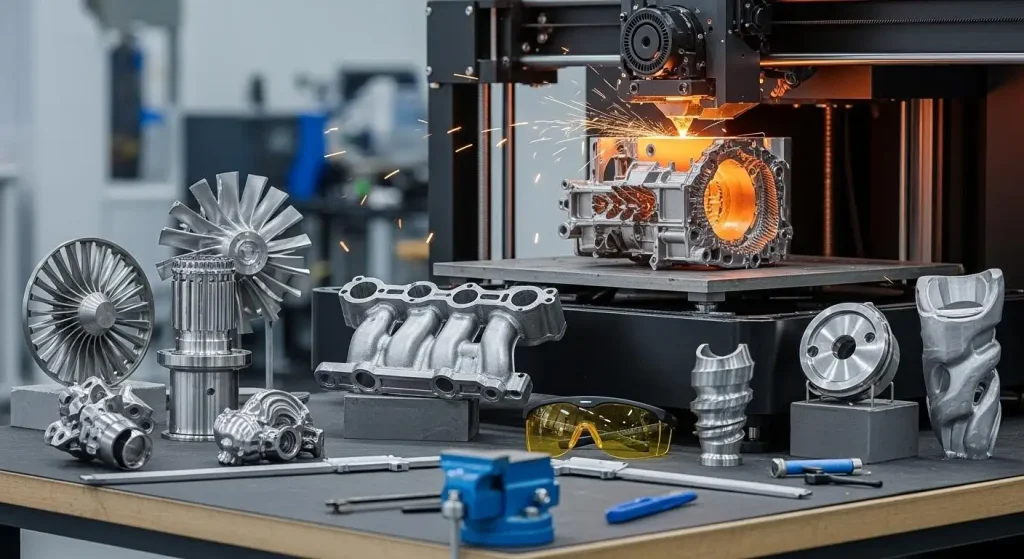
What Today's Services Actually Include
When people say "sheet metal prototyping,” they usually mean a mix of laser cutting, bending, CNC machining for critical features, spot or TIG welding, and sometimes short-run stamping. The power comes from having these processes under one roof so geometry, tolerance, and finish are aligned from the start. Our teams build functional prototypes and low-volume batches with the same attention we give to production intent: stable dimensional control, reliable mechanical performance, and market-ready surface quality.
Plan with Realistic Capability Ranges
A lot of avoidable rework comes from assuming production-level tolerances on every feature. Plan to the process:
• Common sheet gauges: 0.5–3.0 mm for brackets, covers, trays, and enclosures.
• Laser-cut profiles: ±0.2 mm is a practical target on typical geometries.
• Machined features: ±0.05 mm for bores, threads, and datums that drive assembly.
• Bend control: ±1° on angle is a reliable working number.
• Good practice: hole-to-edge distances at least one material thickness; bend radii equal to or greater than material thickness to reduce cracking and springback.
Design to these ranges and you'll see fewer late-stage fit issues and fewer tweaks to clear finished parts.
The Cost Drivers You Can Actually Influence
Unit cost and lead time are shaped long before metal hits the laser bed. The big levers are in your CAD:
• Geometry complexity: Every millimeter of cut length, every tight internal radius, and every cluster of tiny holes adds cycle time. Intricate panels can consume 20–40% more labor than simple shells. Consolidate features where you can and avoid dense perforation fields unless functional.
• Tolerances: Tightening every dimension drives up setups, inspection, and scrap. Hold critical-to-function dimensions tight; relax non-critical ones to general tolerances. It's common to keep the chassis datum frame and any mating features tight, while allowing more breathing room elsewhere.
• Batch size and process mix: For prototypes and pilot builds, laser cutting plus bending is usually the most economical and the fastest. Stamping pays back when you repeat the same part across volume, because tooling amortizes over the run. Many teams deliberately stay with flexible cutting and forming through pilot to avoid locking into tooling too early.
• Finishing: Powder coating, painting, anodizing, and plating add both cost and days. Expect powder and paint to add 10–25% to part cost and 1–3 days to lead time. Align finish choice with function and plan the calendar accordingly.
Practical Cost Benchmarks We See
• Raw material is often 30–50% of the total cost for simple brackets and covers. Nesting parts efficiently and standardizing gauges across a build will directly reduce waste.
• Small-batch parts typically cost 1.5–3x more per unit than mass-produced equivalents because of setup time and changeovers. Grouping similar parts so they share setups can narrow that gap.
• Early DFM feedback cuts iteration. We typically return a price and DFM report within 24–48 hours for sheet metal packages so you can adjust bend radii, hole spacing, or finish notes before anything is cut.
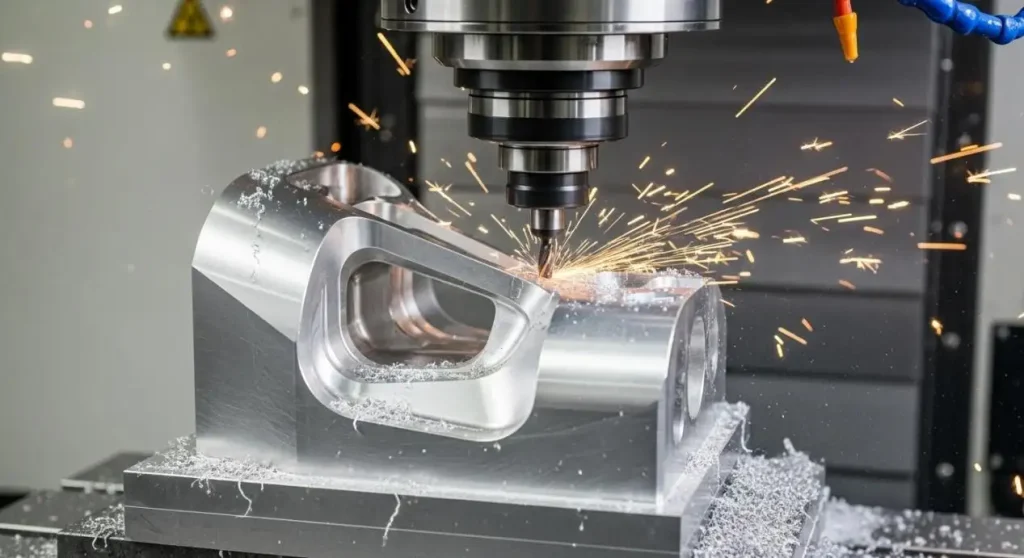
Materials That Meet Performance and Compliance
Choosing the right alloy family is about more than weight and strength; it also affects finish stability, corrosion behavior, EMI performance, and even regulatory compliance. In our Metal Prototyping Services, the most common choices cover four families:
• Aluminum: Light, stiff for its mass, and friendly to both bending and machining. It shines in aerospace covers, automotive brackets that benefit from lower mass, and electronics enclosures where weight and heat dissipation matter. Anodizing supplies a hard, protective finish without increasing part size.
• Stainless steel: Durable, wear-resistant, and outstanding in wet, caustic, or sterile environments. It's the staple for medical housings, trays, and industrial guards that see frequent washdowns or exposure. Passivation helps safeguard corrosion resistance after fabrication.
• Brass: Readily machinable with a naturally refined appearance. Selected when a premium aesthetic and EMI shielding must coincide, such as for front panels and electronic subassemblies.
• Copper: unmatched among common metals for electrical and thermal conductivity. Ideal for bus bars, heat spreaders, RF components, and high-current connectors where conduction and heat flow are decisive.
Material Snapshot Tips
• Aluminum is approximately one-third the weight of steel, aiding handheld or mass-restricted designs.
• Stainless grades offer cleanliness and corrosion stability for regulated use.
• Brass unites aesthetic appeal with consistent EMI shielding.
• Copper is the clear pick when electrical or thermal paths take precedence.
Surface Finishes That Protect and Sell Your Product
Finish is not an afterthought; it affects fit, compliance, durability, and customer perception. We match coating systems to environment and function, and we document thickness to keep assemblies in tolerance.
• Powder coating: Tough, uniform, and available in a wide color range. Excellent for industrial enclosures and consumer housings. Black, clear, and hard anodize cover the lion's share of applications.
• Painting: Wide color palette and convenient small-batch touch-up. Great for prototypes with fast-turn color iterations.
• Plating: Elevates corrosion resistance and electrical behavior. Often used on brass and copper where conductivity or soldering is key. Nickel, tin, and selective plating are common picks.
n Finish Selection Pointers
• Account for thickness in your stack-up. Powder and paint add tens of microns; plan extra clearance on sliding or mating features.
• Match finish to environment. Stainless with passivation or powder coat for corrosive settings; anodized aluminum for wear and scratch resistance.
• Reserve time. Anodizing and plating add process steps and QA checks. Build in 1–3 days beyond raw fabrication for finishing.
Why GD Prototyping Delivers Better Metal Prototyping Services
Our value is in integration. By unifying laser cutting, bending, stamping, CNC machining, and welding, we reduce handoffs and keep variation in check. That translates into predictable cost, consistent finish, and faster delivery.
• Precision engineering: Typical laser-cut features hold ±0.2 mm; bends are controlled to ±1°. Where needed, machined datums, bores, and threads run at ±0.05–0.10 mm. We align prototype tolerances with production intent so pilots scale smoothly.
• Material breadth: Aluminum, stainless, brass, and copper are all supported across enclosures, brackets, and structural parts. Secure the performance profile you need without a supplier change mid-run.
• Integrated finishing: In-house or audited-partner powder coat, anodize, paint, and plating. We meter gloss, hue, and thickness so lots match.
• Speed without chaos: Bare parts go out in 3–7 days, finishes add 1–3. Parallel operations and templated setups sustain flow.
• Built to scale: We front-load fixture design and CNC programming so stepping up from singles to batches is straightforward and affordable.
From RFQ to Parts in Hand: A Dependable, Repeatable Process
You upload CAD. We return a quote and DFM calling out bends, edge clearances, tolerance sensitivities, and finish stack issues.
• We nest intelligently to cut scrap and plan laser cutting.
• For bending, we use documented tooling and verify angles on first articles and at checkpoints.
• CNC machining finishes tight features, threads, countersinks, and critical datums on demand.
• Welding joins structures; we manage heat and fixture to control distortion and hold geometry.
• Finishing to spec with thickness and adhesion verification across powder, anodize, paint, and plating.
• We inspect critical dimensions, cosmetics, and fit; summaries and finish certificates are available by request.
• Parts leave ready to assemble or test, accompanied by the documentation your QA needs.
Use Cases We Support Every Week
• Electronics: EMI enclosures, cosmetically controlled fronts, thermal backplates.
• Automotive: Prototype brackets, camera mounts, and battery enclosures for fleet pilots.
• Aerospace and defense: Low-mass covers and trays, precision chassis, RF cases.
• Medical: Sanitary housings and trays engineered for cleaning agents and sterilization.
• Industrial machinery: Guards, panels, and structural brackets that endure harsh environments.
Getting value from Metal Prototyping Services in 2026 is about choosing the right combination of geometry, tolerance, material, and finish - and locking those choices into a workflow that respects time and budget. GD Prototyping is set up to guide you through those trade-offs, deliver hardware quickly, and keep the path to production clear.
Call to Action
Ready to move from CAD to proven hardware? Submit your files to GD Prototyping for a fast quote and a practical DFM review. We'll help you select the right material, finish, and process mix to control cost, protect critical surfaces, and hit your tolerance targets - so your 2026 program can move from design to validated parts with confidence.
