


How Medical Device Prototypes Reduce Costs and Design Risks
Medical Device Prototypes play a much bigger role than simply "showing what the final product might look like.” For manufacturers under pressure to control budgets, meet strict regulations, and launch on time, prototypes are one of the most practical tools for reducing both cost and design risk. At GD Prototyping, we see this in real projects where an early physical model prevents months of rework and avoids expensive surprises just before launch.
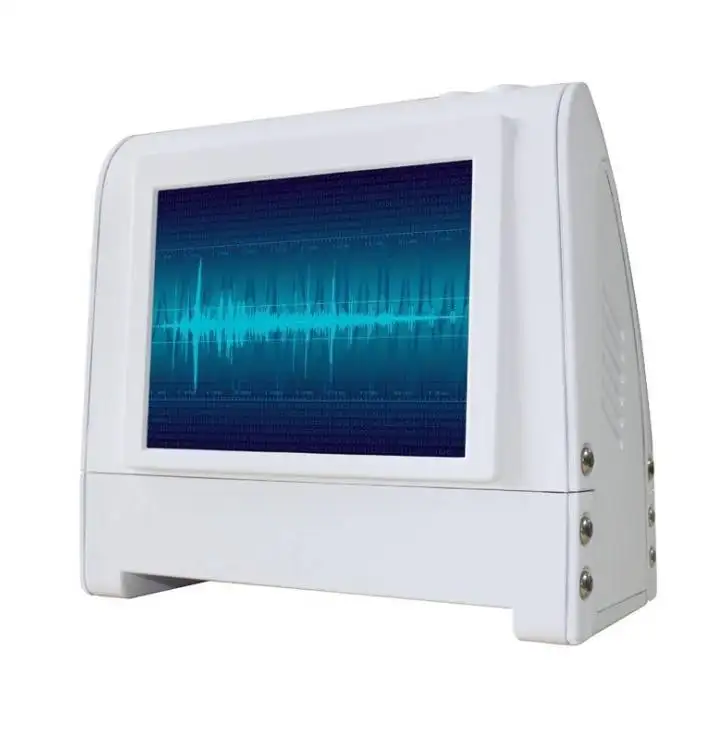
How Smarter Prototyping Keeps Development Costs Under Control
Runaway costs in device development rarely happen overnight. They build up slowly through late design changes, unclear requirements, and parts that look good in CAD but are difficult or impossible to manufacture. Once tooling is cut or validation is underway, every revision becomes painful and expensive.
By bringing Medical Device Prototypes into the process early, you shift many of those decisions to a safer, lower-cost stage. Instead of debating geometry on a screen, your engineers can handle real components, evaluate fit and function, and make confident design calls before you commit to molds, fixtures, or large material orders.
At GD Prototyping, we combine CNC machining, 3D printing, and vacuum casting to create functional prototypes that are close to your final design in shape, size, and performance. We work comfortably with exotic alloys and ultra-hard materials, which are common in complex medical and life sciences equipment. These are often the parts that cause trouble later - very thin features, tight mating surfaces, or special materials that are expensive to scrap.
When you prove these elements upfront, you cut away a surprising amount of hidden cost, such as:
•Fewer late-stage engineering change orders and design loops
•Reduced scrap and rework on high-value materials
•Less emergency troubleshooting when assemblies do not fit or function as intended
•Lower risk of redesigning tooling and fixtures after they have been built
In other words, instead of discovering problems on the production line, Medical Device Prototypes help you discover and solve them at a stage where changes are still affordable. The prototype becomes a financial safety valve, not just a visual sample.
Using Medical Device Prototypes to Reduce Design and Compliance Risk
In healthcare and life sciences, the biggest risks are rarely just financial. Design flaws can impact patient safety, clinical outcomes, and regulatory approval. A device that passes digital review but fails during real-world use can trigger delays, recalls, or damage to your brand.
This is where Medical Device Prototypes become powerful risk-reduction tools. They give your team a realistic way to test how a device behaves in hands-on scenarios. You can assemble systems, check ergonomics, run cables, evaluate how surfaces respond to cleaning, and see how components interact inside the complete device.
This is crucial for high-stakes components and systems such as:
•Implantable medical device components
•MRI and CT scanner modules
•Surgical and dental instruments
•Medical diagnostic and cosmetology equipment
When you work with GD Prototyping, you are not simply purchasing a machined or printed part. You are getting a carefully prepared test article that reflects your design intent. Our team pays close attention to deburring, cleaning, assembly support, and handling so that the prototype behaves like a real device component, not a rough mock-up.
That level of detail has a direct impact on risk. It allows engineers, clinicians, and stakeholders to interact with the device realistically, long before formal clinical evaluations. Feedback comes earlier, and it tends to be more useful - ergonomic issues, assembly difficulties, and usability concerns appear when they can still be addressed without rewriting your schedule.
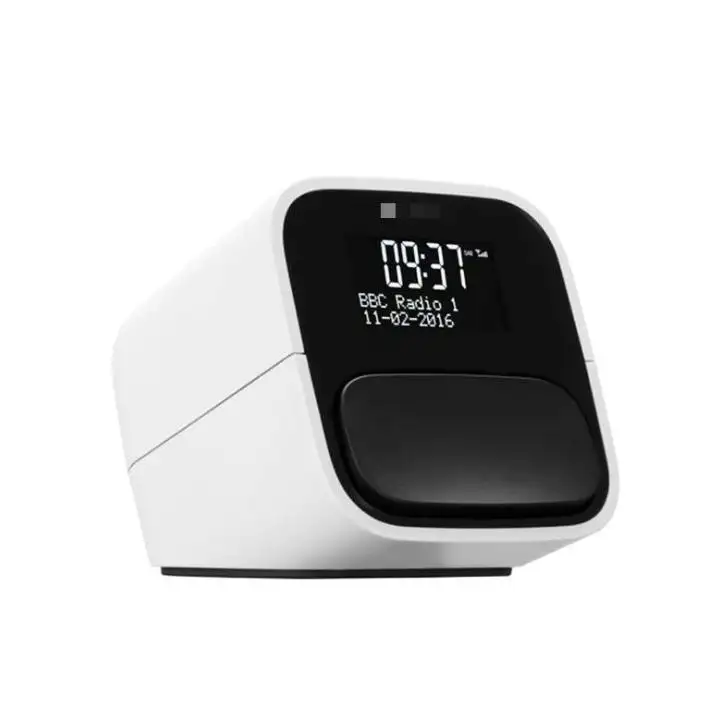
Quality and traceability also matter. Our strict quality control processes, tight-tolerance machining, and documented inspections support your verification and validation activities. The data from these Medical Device Prototypes can contribute to internal design history, verification records, or technical files, helping you build a clearer, more defensible story for auditors and regulators.
By aligning high-quality prototypes with a disciplined process, GD Prototyping helps you lower technical, usability, and regulatory risks long before you commit to full-scale production.
Why Partnering with GD Prototyping Speeds Safer Product Launches
Most medical device companies do not need just a one-off prototype vendor. They need a partner who understands the entire product journey - from first concept to low-volume builds and preparation for scale-up. That is exactly how we structure our services at GD Prototyping.
We bring together advanced CNC machining, 3D printing, injection molding, and vacuum casting under one roof. With multiple manufacturing technologies under one roof, we can align the process with your current needs - fast, iterative builds during concept development, highly functional prototypes for verification, and stable small-batch production when you are ready to test the market.
Our background in complex, high-precision work really stands out in applications such as:
✅Sub-assembly interfaces where microns matter
✅Sensitive imaging and diagnostic components with demanding specs
✅Clinical tools and devices that must endure repeated cleaning, disinfection, and use
Handling these issues early with carefully built Medical Device Prototypes means you are not forced into last-minute compromises on performance or safety.
Meanwhile, our project managers keep the entire workflow aligned. They coordinate schedules, follow up on changes, and maintain open communication with your team so you always have a clear view of progress. This helps prevent gaps between engineering, sourcing, and manufacturing and keeps your launch timeline realistic.
When you are ready to move from prototype builds to low-volume production, you can rely on the same GD Prototyping team. Because we already understand your quality expectations and design intent, we can ramp up with fewer surprises and lower risk of deviations.
If you are preparing a new device or updating an existing system, now is the ideal time to treat Medical Device Prototypes as a strategic investment rather than an optional extra. Used correctly, they help you control cost, cut design risk, and build a more predictable path to market.
Call to action:
Ready to de-risk your next medical device project? Partner with GD Prototyping to turn your concept into a validated, production-ready solution. Reach out to our team today to discuss your design, choose the right prototype strategy, and see how our precision manufacturing and strict quality standards can shorten your time-to-market while protecting your budget and your reputation.
