


Why Low-Volume Manufacturing Wins for Startups
Low-Volume Manufacturing is quietly turning into the practical shortcut that helps startups turn ideas into real products without draining their cash or stretching timelines forever.
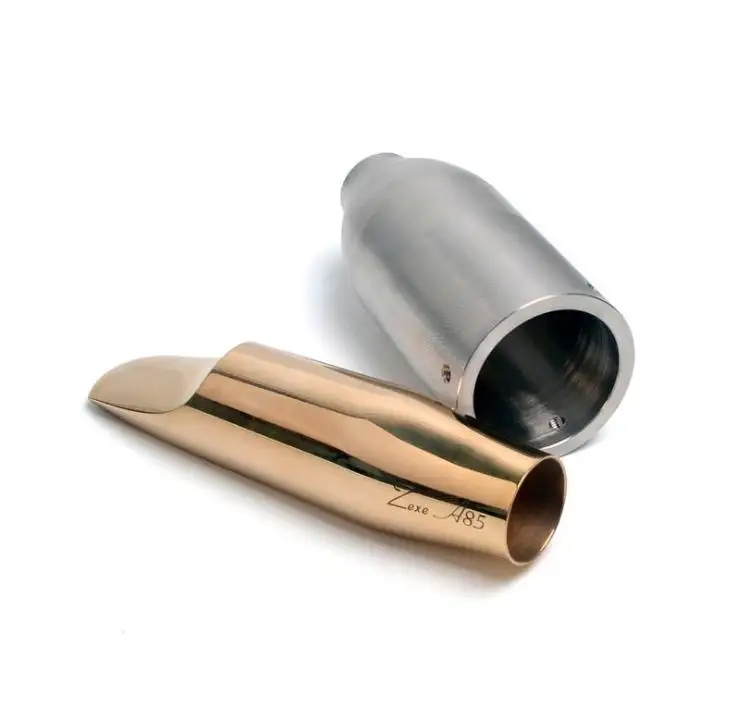
Why Low-Volume Manufacturing Fits the Way Startups Really Work
When a startup starts building hardware, the hardest part is rarely the idea itself. The real headache is how to make the first real products without betting everything on one big production run. Traditional mass production wants volume: thousands of units, expensive steel tooling, and long lead times. Once you lock in the design, changing it is slow and costly. If the market reacts badly or the product needs a major tweak, you pay for it twice - in money and in lost time.
Low-Volume Manufacturing takes a different path. Instead of forcing you into huge quantities, it focuses on smaller batches, from a handful of parts to a few hundred. You get just enough units to put your product into real hands, test it in real environments, and listen to real feedback. That is exactly what most early-stage companies need: proof, not piles of stock sitting in a warehouse.
At GD Prototyping, we talk to founders every week who face the same issues: uncertain demand, designs that are still moving, and tight budgets. With Low-Volume Manufacturing, they do not have to wait until everything is "perfect" before making parts. They can send early versions to pilot customers, run internal tests, and show working samples to investors. This builds traction step by step, instead of betting everything on a single big launch.
Speed is another big win. Small batches and flexible processes mean we can move from CAD files to real components much faster than a traditional factory line set up for mass production. Your team can design, test, adjust, and repeat in short cycles. In fast-moving markets such as consumer electronics, mobility, or medical devices, that iterative speed is often what separates the first mover from everyone else.
How GD Prototyping Supports Startups from Prototype to Pilot Run
At GD Prototyping, our job is to make Low-Volume Manufacturing feel simple and predictable, even if your product is complex. We know that startups rarely follow a straight line from prototype to production. That's why we don't lock you into a single manufacturing method. We don't force your project into a single process. Instead, we start with your requirements - geometry, materials, volumes, and deadlines - and then build the most efficient mix of manufacturing methods around them.
Flexible manufacturing, end to end:
✅CNC machining for high-precision, high-strength metal and plastic parts
✅3D printing for fast iterations, complex features, and design validation
✅Vacuum casting for consistent, small-batch plastic production
✅Low-volume injection molding for near-final designs that need repeatable, production-grade parts
The result: you iterate faster at the beginning, control risk as you refine the design, and move into production-style runs without disruptive process changes or costly redesigns.
We also know that cost control is critical. Tooling can kill a young hardware project if it happens too soon. With Low-Volume Manufacturing, you can avoid big upfront tooling spend until your design has been validated. You can start with 3D printed or machined parts, move to soft tooling or low-volume molds later, and only invest in long-life steel tools when the numbers and feedback are solid.
Appearance matters as much as performance, especially when you are pitching. That is why we offer finishing services aimed at making low-volume parts look like final production pieces. We can support painting, texturing, polishing, and other cosmetic steps so your samples are ready for trade shows, demo days, or photo shoots - not just lab tests.
Behind the scenes, we keep one eye on the future. When a batch goes well and demand starts to grow, founders often ask the same question: "Can we scale this?" Because we plan for that from the start, moving from low-volume batches to pilot runs and then mass production is a controlled transition, not a shock. We work with you to adjust tolerances, materials, and processes so scaling up feels like a natural next step, not a new project.
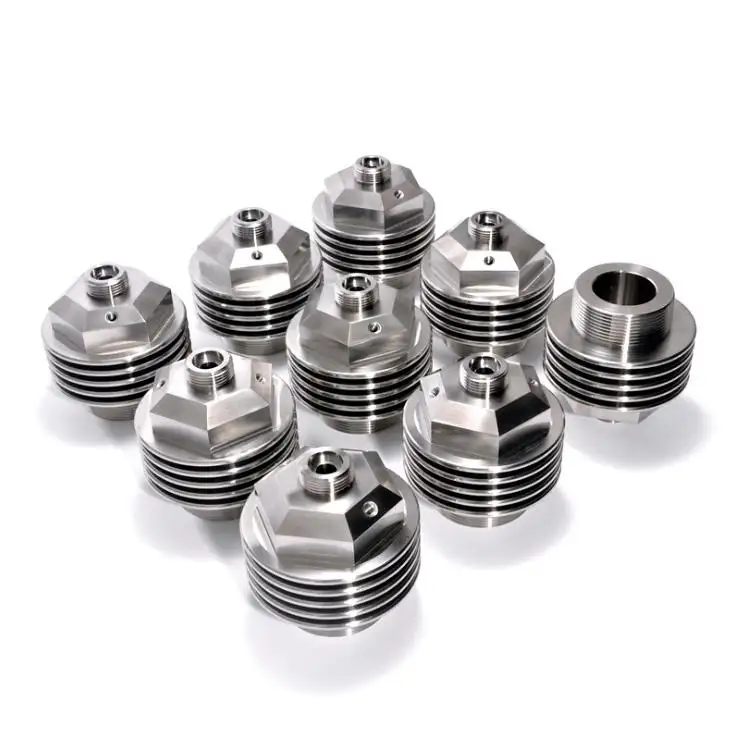
If you're planning a new product and want realistic expectations on quantities, timelines, and materials, you can contact GD Prototyping for a Low-Volume Manufacturing review of your design. We'll walk through what makes sense now - and what to prepare for next.
What Startups Can Achieve with Low-Volume Manufacturing
Low-Volume Manufacturing is more than "just making small quantities." For startups, it becomes a strategic tool that supports different phases of the product journey.
In early development, small batches give your engineering team real parts to work with. You can check assembly steps, run durability or vibration tests, and see how the product behaves in real use. Because the parts are made with realistic processes and materials, the learning is much closer to what you will see in later production. That means fewer surprises when you scale.
For market validation, those same low-volume batches turn into powerful sales and marketing assets. Instead of showing only slides or renderings, your team can send actual units to early adopters, run small pilot programs, or ship rewards for crowdfunding campaigns. Feedback from these first users helps you decide what to improve, what to keep, and what features people truly care about.
●Product Testing & Validation - Verify performance, assembly, and user experience before committing to full tooling.
●Market & Investor Validation - Put production-like samples in front of customers, partners, and investors to build trust.
●Bridge Manufacturing - Use Low-Volume Manufacturing to cover the gap while mass production tooling is being built and fine-tuned.
●Niche And Custom Products - Serve specialized or premium markets where you will never need tens of thousands of units, but quality still has to be high.
Different industries use the same idea in their own way. In consumer electronics, founders rely on dozens or hundreds of housings and internal parts to support beta tests and early shipments. Automotive and aerospace projects often need low-volume, high-precision components for prototype vehicles and pilot fleets. Medical device teams depend on short runs of biocompatible or sterilizable parts to support clinical trials and gather structured user feedback. In each case, Low-Volume Manufacturing keeps risk under control while speeding up learning and decision-making.
For GD Prototyping, success is not just about delivering parts. It is about helping startups learn fast, make confident decisions, and move towards mass production with their eyes open.
Want to see what Low-Volume Manufacturing could do for your own project?
Share your design files and targets with GD Prototyping, and we'll help you choose the right processes, batch sizes, and timelines. Together, we can turn your concept into real, manufacturable parts - and build a clear path from first prototype to full-scale launch, one smart batch at a time.
