


How Material Selection Shapes Low-Volume Molding
Low-Volume Injection Molding is often judged by tooling cost or lead time, but material selection is just as important. At GD Prototyping, we see this clearly in client projects. Two parts may share the same geometry, yet perform very differently once resin choice changes.
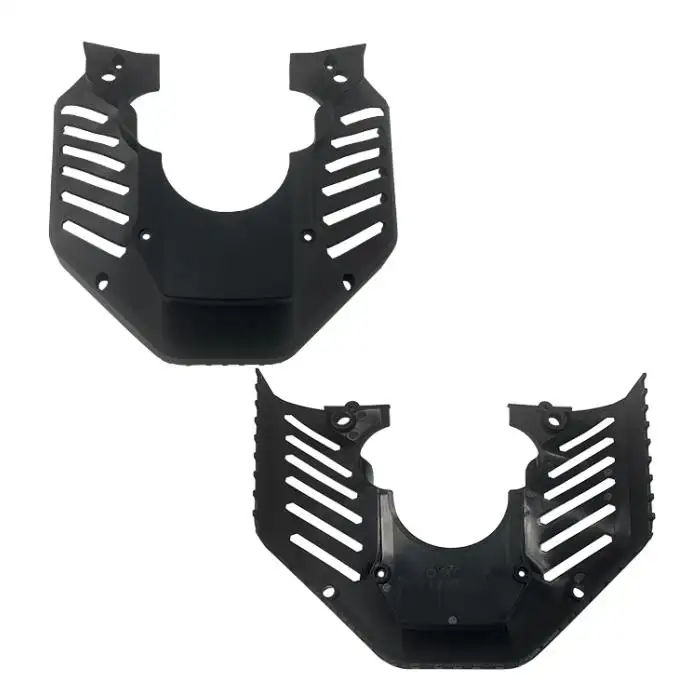
Material affects strength, surface quality, dimensional stability, chemical resistance, and even how smoothly a part moves from trial run to market launch. Industry guides consistently note that common molding materials such as ABS, polypropylene, polycarbonate, polyethylene, nylon, and PEEK each bring a different balance of cost, toughness, heat resistance, and flexibility.
Why Low-Volume Injection Molding Depends on Material Strategy
Many buyers approach Low-Volume Injection Molding with one main goal: get parts quickly without committing to full-scale production too early. That is reasonable. However, quick output alone does not create project value. If the selected resin does not match the application, the part may look correct but fail in use, assembly, or later validation.
At GD Prototyping, we treat material selection as an early engineering decision rather than a final purchasing detail. This matters because low-volume projects are often used to confirm several things at once:
• Product appearance
• Assembly fit
• Mechanical behavior
• Early market feedback
• Transition potential toward mass production
When material is chosen carefully, a low-volume run becomes more than a short batch. It becomes a practical decision tool for design teams and sourcing teams alike.
What Material Selection Changes in Real Production
In Low-Volume Injection Molding, material selection shapes both part performance and manufacturing behavior. Some resins fill thin walls more easily. Some hold dimensions better. Some improve impact resistance. Others are selected because they support transparency, flame resistance, or wear performance.
This is why material choice should be linked to the real use of the part, not only to the lowest resin price. A housing, a clip, a cover, and a gear do not face the same working conditions. As a result, they should not be expected to perform well with the same plastic by default.
Industry material guides often highlight these common directions:
• ABS is widely used where balanced toughness, processability, and surface quality are needed
• PP is valued for chemical resistance and flexibility
• PC is often selected for impact strength and toughness
• Nylon is useful where wear resistance and mechanical strength matter
• PEEK is considered for higher-end applications with demanding heat and chemical requirements
For clients, this means the right question is not only "What is available?" but also "What property matters most in the actual product?"
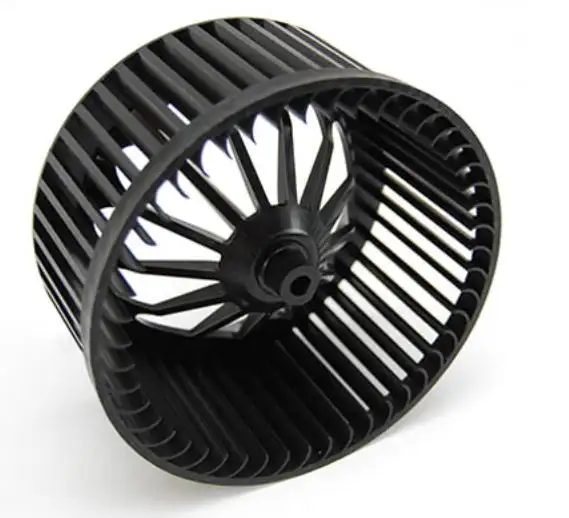
Common Material Paths in Low-Volume Injection Molding
A practical Low-Volume Injection Molding project often starts with a short list of candidate materials. At GD Prototyping, this stage helps clients narrow decisions based on function, finish, and budget.
For consumer enclosures and general-purpose parts, ABS remains a common option because it offers a useful balance of toughness and appearance. For living hinges, containers, and chemically exposed parts, polypropylene is often more suitable. If the project needs higher impact resistance or a stronger engineering feel, polycarbonate or PC-ABS blends may be considered. Nylon becomes more attractive when the part must handle friction, repeated movement, or more demanding mechanical loads.
In some projects, reinforced materials become relevant. A BASF data sheet for Ultramid B3G4, a 20% glass-fiber reinforced PA6 grade, lists a tensile modulus of 6700 MPa and stress at break of 140 MPa under stated conditions. This kind of data shows why reinforced nylon is often considered for more demanding structural applications rather than simple cosmetic parts.
That does not mean every project needs an advanced engineering resin. It means the selection should follow the job the part must do.
How Material Choice Supports Better Business Decisions
Material selection in Low-Volume Injection Molding is not only a technical issue. It also influences cost control and business timing.
A well-chosen resin can help teams avoid repeated design loops. It can also reduce the risk of approving a prototype that does not reflect the behavior of the future production part. This is especially important when low-volume molded parts are used for customer evaluation, pilot assembly, distributor samples, or pre-launch verification.
At GD Prototyping, we encourage clients to evaluate material through a practical lens:
• Will the resin reflect the expected end-use performance?
• Will the part need a premium cosmetic finish?
• Will the component face heat, stress, or chemicals?
• Will the same material family support later production scaling?
• Will the current choice create avoidable redesign later?
This logic helps clients protect both schedule and budget. A cheaper resin can increase cost if it leads to design revision,
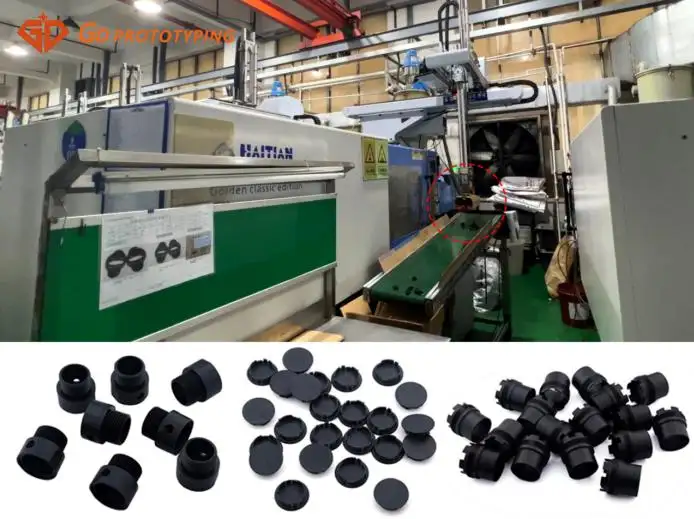
field failure, or retooling.
Why Surface Finish and Material Must Be Evaluated Together
Material does not work alone. In Low-Volume Injection Molding, finish expectations should be reviewed together with resin choice. Some materials support cleaner cosmetic results, while others are selected mainly for function. This matters when a part must be shown to investors, buyers, distributors, or internal decision-makers before full production approval.
For example, a project may require:
• A smooth visible surface
• Good color consistency
• Strong impact performance
• Stable dimensions after molding
Those requirements may point to different material directions, and sometimes they need to be balanced rather than maximized all at once. Material guides from suppliers and manufacturing platforms regularly emphasize that resin selection should align with both mechanical and visual targets, not just one or the other.
This is why GD Prototyping approaches material selection as part of the full molding plan. It helps clients avoid a mismatch between what the part should do and how the part must look.
From Low-Volume Injection Molding to a Smoother Production Path
The best outcome of Low-Volume Injection Molding is not simply a finished batch of parts. The better outcome is a clearer path to the next manufacturing step. Material selection is a key factor in this process. When the resin is chosen with functional performance, visual quality, and production scalability in view, the low-volume phase can provide stronger value and more reliable outcomes.
At GD Prototyping, we believe material choice should help clients move forward with confidence. It should support real testing, reduce avoidable adjustment, and improve the value of every molded run.
CTA: If your team is planning a new plastic component, a pilot batch, or a market-entry product, contact GD Prototyping for engineering support on Low-Volume Injection Molding material selection. A better resin decision at the start can improve product quality, reduce revision risk, and create a smoother route toward full production.
