


Industrial Plastic Parts Prototyping | High-Precision & Rapid
What is Industrial Plastic Parts Prototyping?
Industrial plastic parts prototyping can be described as the process of designing high-quality, functioning, and perfect prototypes of plastic components to be used in industries. Prototyping, unlike traditional production, enables the engineer to test materials used, tolerances, and the integrity of the design without the cost and time of full-scale production.
The major benefits of industrial plastic prototyping are:
- Functional Testing: Check functionality using functional industrial plastic prototypes.
- Quick Prototyping: Grade designs in a short amount of time by using rapid plastic prototyping on machinery.
- Material Versatility: Thermoplastics such as ABS, Polycarbonate, and Nylon.
- Low-Volume Production: Develop prototypes or small batches at a low cost without the high cost of tooling.
Its use extends to automotive plastic parts prototyping applications, medical device plastic prototyping, consumer electronics plastic prototypes, and also industrial machinery plastic prototyping.
Industrial Plastic Parts Prototyping Materials
The choice of materials is critical in order to have prototypes that are similar to final products. Common industrial-grade plastic prototyping materials are:
- ABS: Strong, inexpensive, functional testing, and mechanical components.
- Polycarbonate (PC): High impact resistance, good for transparent or rough parts.
- Nylon: Tough, flexible, good for functioning moving parts.
- PMMA (Acrylic): Lenses and enclosures that are optically clear.
- Crystal and Optical Glass: Crystal and optical glass are used in optical prototyping tasks where there are tolerances in the micron range.
Engineers, through the use of correct material, can create prototypes to withstand mechanical, thermal, and environmental tests, thus guaranteeing good fit, form, and functions plastic prototypes are completely tested before production.
High-Level CAD & Plastic Prototyping Design
Quality prototypes in plastics begin with accurate digital design. The industrial plastic prototypes CAD-based can enable designers to design, test, and refine parts virtually before machining or molding.
Key CAD & Design Processes
- Parametric Prototype Modelling of Plastics: Dimensions and test design variations are easily changed.
- Mock-Up CAD Construction of Plastic Components: Check proper sizes and tolerances, and make sure they fit together.
- Tolerance-Optimized Plastic Prototype Design: Obtaining high-precision results that can be used in high-tolerance plastic parts prototypes.
- Tooling-Ready Plastic Prototyping Parts: Design CNC plastic prototyping or injection molding prototypes of plastics.
- Plastic Design and Testing: Test and simulate structural, thermal, and mechanical performance before fabrication.
These steps will allow engineers to fabricate plastic prototypes that are industrial grade and that closely resemble the end production parts, hence allaying any chance of incurring costly design mistakes.
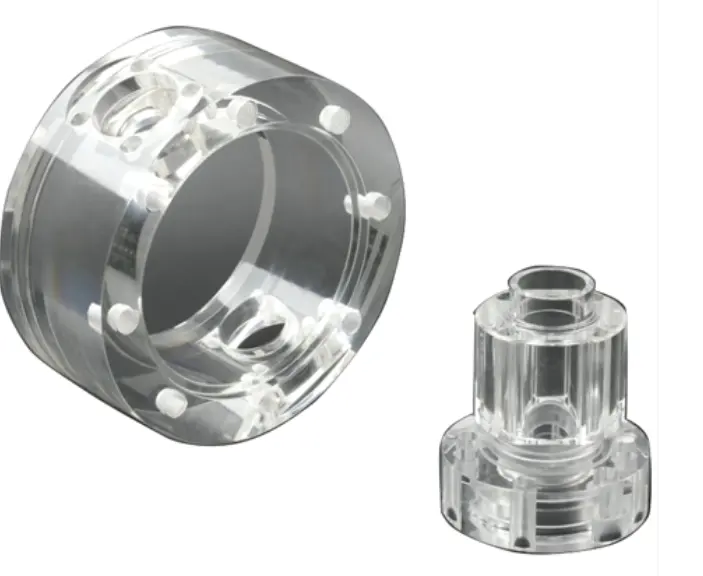
Industrial Plastic Parts Prototyping Techniques
CNC Plastic Prototyping
CNC machining is used to cut materials from solid blocks to form high-precision prototypes. This method is ideal for:
- Industrial plastic prototyping of high-tolerance parts.
- Mechanical tests are required on functional parts.
- Industrial plastic prototypes of low volume with rapid turnaround.
ABS, Polycarbonate, and Nylon are machinable materials that can be used to create prototypes that can be subject to mechanical and thermal testing.
Plastic Prototypes Injection Molding
The injection molding applies to realistic functional prototypes of plastic that can be made of the same material and the same properties as the production parts. This can be applied especially to:
- Plastic parts prototyping in automobiles.
- Prototypes of consumer electronics plastic.
- Short-run production and design testing.
Three-Dimensional Models of Industrial Plastic Prototypes are 3D Printed
Additive manufacturing offers unparalleled versatility to rapid prototyping of machineries and intricate geometries in plastic, which is, at the same time, fast, inexpensive, and enables the ability to test functionality of functional assemblies before investing in conventional production.
Optical Prototyping
Certain industrial parts that are made of plastic need to be optically accurate. The optical prototyping assures the lenses and transparent elements of high tolerances:
- Tolerance: Tolerance at a micron level of lenses and components.
- Surface Quality: Surface polishing of optical quality and roughness minimized.
- Resources: Optical glass, acrylic, polycarbonate, PMMA, crystal.
- Products: CNC machining, diamond turning, injection molding, polishing, and coating.
- Single prototypes to small-batch production.
- Finishing: Anti-reflective finish, hard finish, mirror finish.
This is essential when used in medical, consumer, and automotive optical devices.
Production and Manufacturing Workflow
The process of producing plastic prototypes in industries is done systematically:
- Development of Prototypes: The prototype plastics: The first concept to CAD design and selection of materials.
- CNC Plastic Prototyping of Industrial Parts: machining of parts in high precision to test the mechanical and functional aspects.
- Plastic Injection Molding Prototypes: To test production techniques, low-volume or small-volume prototypes are injected.
- Prototyping in 3D Industrial Plastic: Within minutes, rapid prototyping and testing.
- Plastic Components Prototyping: Mold or fixture prototyping.
- Machining of Plastic Prototypes: Be sure that high-precision plastic prototypes are up to design standards.
- Plastic Prototypes Testing: Test mechanical, thermal, and operational.
At GD Prototyping, we put these techniques together to provide end-to-end industrial plastic prototyping services whereby every single aspect undergoes the test of quality, durability, and performance.
Industry Applications
- Automotive
Prototyping of automotive plastic parts enables the engineers to develop strong and efficient parts of interiors, enclosures, and mechanical assemblies to be used with a high degree of reliability in extreme test conditions.
- Aerospace
Lightweight high-strength plastics that have good tolerances are needed in aerospace plastic component prototypes because of safety-critical applications.
- Consumer Electronics
Consumer electronics plastic prototypes make sure that enclosures and internal components come together, are able to support thermal management, and are able to remain aesthetically appealing.
- Medical Devices
Medical device plastic prototyping allows biocompatible and sterilizable prototypes to be used to test functional, regulatory compliance, and design.
- Industrial Machinery
Plastic prototyping of industrial machinery enables mechanical testing, wear testing, and verification of critical parts of machinery, automation, and robotics.
- Startup Product Development
Product plastic prototyping, Startup products, Rapid prototyping cost, and time to market innovative products with the help of startup product plastic prototyping.
Conclusion
Industrial plastic parts prototyping is a crucial procedure of the contemporary product development process, being the link between the idea and manufacturing. At GD Prototyping, the newest technology is offered in plastic prototyping of machined parts, functional testing, and high-precision industrial-grade plastic prototypes, which are manufactured to your exact specifications. Our solutions assist you in taking ideas to high-quality, functional, and production-ready components regardless of whether you are in the automotive, aerospace, medical, consumer electronics, or startup innovation.
