


Consumer Electronics Vacuum Casting Parts | Complete Guide
What is the Vacuum Casting Technology of Consumer Electronics?
Fundamentally, the vacuum casting technology can be defined as a low-pressure casting technology that is capable of producing plastic components that are astonishingly accurate. It starts with a master model, which is usually produced by either high-resolution 3D printing or CNC machining. The ultimate geometry, surface finish, and dimensional precision of this part are determined by this master model.
- The entire fine detail of the master model is then captured using a silicone mold casting process. Silicone molds are soft yet robust to enable complex geometries, undercuts, and other complicated shapes to be copied easily. After the readiness of the mold, polyurethane resin casting occurs, and air bubbles are removed by maintaining the vacuum conditions and the even flow of resin.
- This vacuum setting is also very important as it makes plastic molding of great detail, smooth surfaces, uniformity of wall thickness- all of which are vital to vacuum cast electronic components and housings.
Use of Vacuum Casting in Consumer Electronics Parts
The functions of consumer electronics are not all that consumers need, but the aesthetics, ergonomics, and durability are equally significant. Plastic Vacuum Casting of electronics has the advantage of satisfying such demands without compromising its flexibility during product development.
Key Advantages at a Glance
- Outstanding finish on the surface with an injection-molded look.
- Tight-tolerance and high-dimensional accuracy manufacturing.
- Large selection of electronics-grade castings.
- Economical in low-volume casting of electronic parts.
- Quick services for quick vacuum casting electronics.
These advantages of consumer electronics vacuum casting parts a good option in the prototype casting of electronic products, pilot production, as well as short-run production.
Vacuum Cast Parts: A Feasible Production Solution
Vacuum cast components offer an easy way of manufacturing good-quality plastic components in low numbers. Vacuum casting creates precise and strong components in a short period and at a small fraction of the expense of conventional approaches, including injection molding, which requires metal tooling.
- It begins with the generation of a master model that is 3D printed or CNC machined. A silicone mold is then made of this master that can capture every occurrence on the surface with exceptional sharpness. The resin polyurethane is then poured into the mold, and the vacuum pressure causes the air that finds its way to the surface to be removed, and the material becomes homogenous.
- The producers have the opportunity of imitating other materials like ABS, polycarbonate, and even flexible plastics that are rubber-like by choosing the various polyurethane vacuum cast components. This flexibility of material is quite practical for consumer device plastic parts that need to balance a combination of strength, appearance, and thermal resistance.
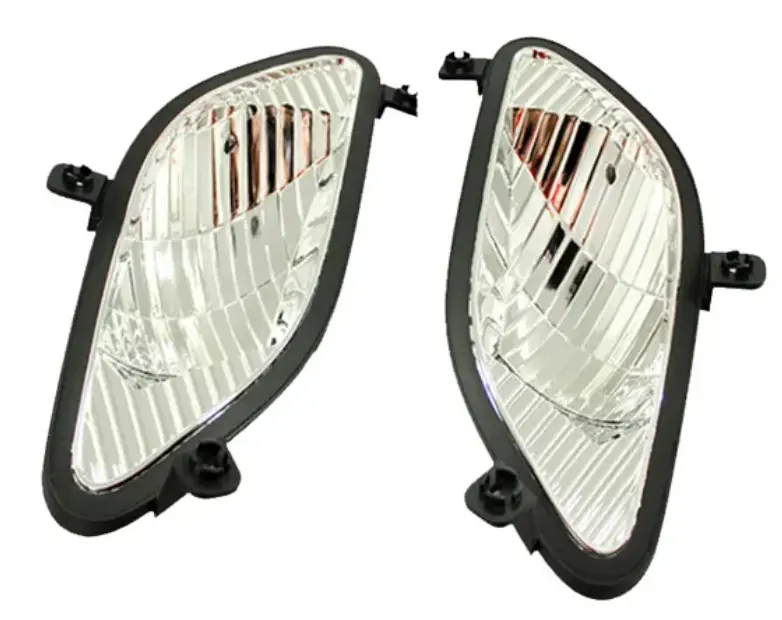
Consumer Electronics Vacuum Casting Parts: Materials Used
The choice of material is important in terms of performance, durability, and appearance. Vacuum casting provides support for a wide variety of high-strength polymer components, which is what makes it suitable for use in electronics applications.
- ABS-similar vacuum casting materials for rigid housings.
- Electronic enclosure heat-resistant vacuum cast plastics.
- Safety-critical device casting materials, flame-retardant.
- Plastic handheld electronics with impact-resistant housings.
- Lens and display cover resin that is transparent and translucent.
Such electronics quality casting materials enable the engineers to do practical testing and still be aesthetically production-ready.
Quick Prototyping and Low Volume Production
Vacuum casting really comes in where speed is essential in the development of electronics and the rapid prototyping of consumer electronics. Vacuum castings also do not require expensive metal tooling, and products can be taken straight to physical forms within days, as compared to injection molding, which can take months to be completed.
Manufacturing Advantages
- Quick designs to rapid manufacturing solutions.
- Small volume electronics production without tools.
- Marriage Prototype vacuum-cast components of production grade.
- Provisional production of electronics components in the market.
- Bridge manufacturing is a vacuum casting before mass manufacturing.
Every silicone mold will produce 15-25 parts before the precision starts to drop. Vacuum casting can be used to make many iterations of a design because of the fast creation of a new master model in case they are in need of a design update.
Precision, Accuracy, and Surface Finish
The aesthetics of modern consumer electronics require high quality. Vacuum casting provides cosmetic-grade parts of plastics with high repeatability and detail.
- High-dimensional accuracy
- Vacuum cast parts have tight tolerances.
- Smooth surface finish
- Injection-mold-like appearance
- Texture and color matching
- Little after processing and finishing.
Parts may be painted, polished, or covered with coating to improve appearance and tactile feel, when needed, so that they are suitable for user trials and marketing samples.
Application-Based Use Cases
Vacuum-cast components of smart devices.
- Vacuum casting electronic wearables.
- IoT device vacuum casting.
- Electronic parts casting of home appliances.
- Enclosures on electronic devices.
- Smart device components
- IoT device enclosures
Vacuum casting can be used in smart thermostats and fitness wearables, in handheld controllers and home automation, and in vacuum casting components of smart devices like a vacuum cleaner.
Why Vacuum Casting Consumer Electronics?
Vacuum casting offers the ultimate balance in terms of quality, speed, and cost. It makes it possible to produce functional parts that are production-ready and assist in design validation, engineering tests, and early market entry.
- Quick response to fast vacuum-cast electronics.
- Small batch vacuum casting of consumer electronics at a low cost.
- Performance testing the versatility of materials.
- Vacuum cast electronic housings of high precision.
Conclusion
With the modern competitive world where innovativeness is a rapid process, consumer electronics vacuum casting parts enable manufacturers to be ahead of the pack. Vacuum casting is a sure route between idea and implementation by utilizing the techniques of precision casting, material technology, and quick production processes. Vacuum casting is not only a good choice to make but also a smart manufacturing decision by businesses willing to turn ideas into high-performance electronic products. Visit GD Prototyping.
