


CNC Milling Instant Quote Guide 2026: What Pricing Really Includes
CNC Milling Instant Quote tools are popular in 2026 because they turn a CAD file into a realistic budget plan—before you spend money on machining trials, materials, or rework. At GD Prototyping, we use instant quoting as a fast starting point, but we also teach new buyers what the number really includes so you can compare suppliers correctly and avoid hidden cost drivers.
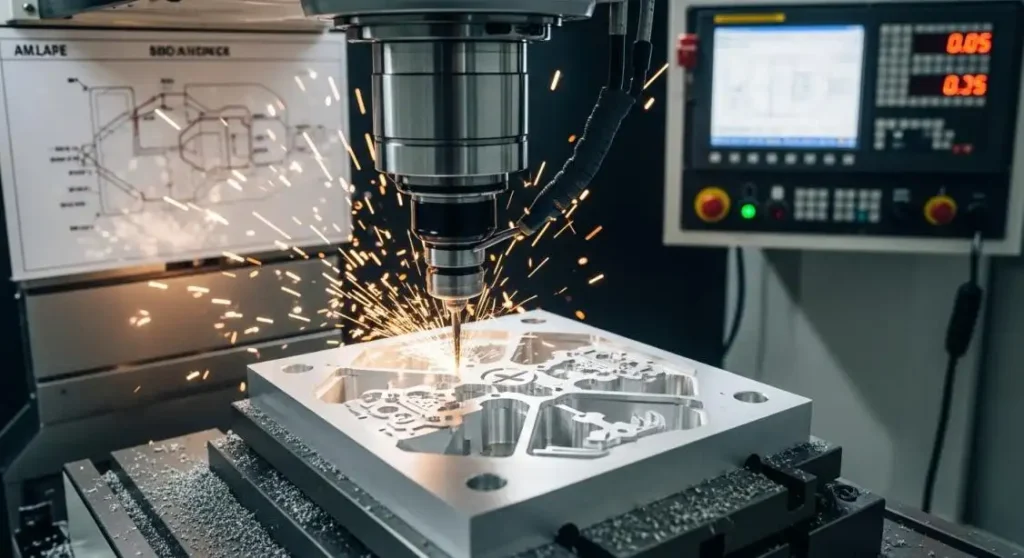
What a CNC Milling Instant Quote Usually Includes
When a buyer sees a CNC Milling Instant Quote, it often looks like one price and one lead time. In reality, that quote is a bundle of decisions your supplier is making behind the scenes. Most pricing includes machining time, material, basic setup, and a standard level of inspection.
At GD Prototyping, our quoting logic is aligned with how CNC work is actually produced: your geometry decides toolpaths, your tolerance decides inspection, and your finish decides secondary operations. A "cheap" quote that ignores these factors often becomes expensive later through delays, rework, or quality disputes.
✅ Core elements often included
✓ Material cost (metal or plastic stock)
✓ CNC programming and setup time
✓ Machine time (3-axis/4-axis/5-axis as required)
✓ Standard deburr and basic cleanup
✓ Basic QC checks for key dimensions
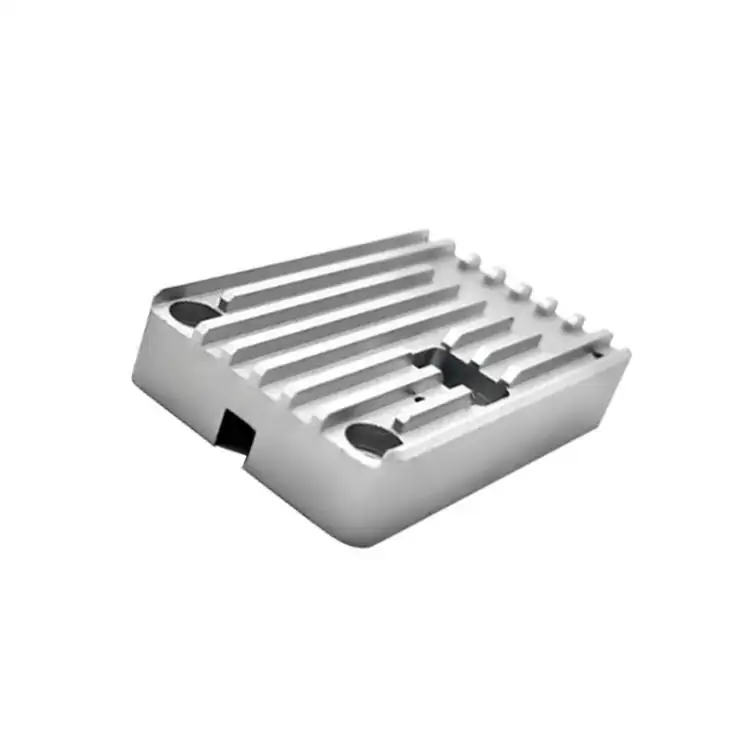
The 4 Cost Drivers Hidden Inside the Price
A CNC Milling Instant Quote becomes predictable once you understand the levers that move it. For beginners, there are four drivers that explain most "why is this quote higher?" moments.
First is geometry complexity. Deep cavities, thin walls, sharp internal corners, and long tool reach increase cycle time and risk.
Second is tolerance and feature size. If you need very fine details, the shop may slow feeds, change tools more often, and increase inspection steps. GD Prototyping can achieve minimum feature sizes as small as φ0.50 mm, but that level of detail has real process cost because it demands stable tooling and careful verification.
Third is part size. Large parts consume more material and require larger machines and fixtures. Our CNC capacity supports metal and plastic parts up to 3,000 × 2,000 × 800 mm for 3-axis milling, which helps buyers who want fewer split parts and fewer assembly steps—but large formats naturally raise machining and handling cost.
Fourth is volume. CNC is strong because you can scale without molds. From single prototypes to 1,000+ parts, CNC pricing typically drops as setup cost is spread over more units.
✅ Practical ways to control quote cost
✓ Avoid unnecessary tight tolerances on non-critical surfaces
✓ Add fillets instead of sharp internal corners
✓ Keep wall thickness realistic for the material
✓ Combine parts only when it reduces assembly without increasing machining risk
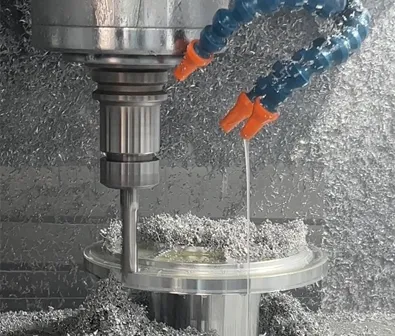
CNC Milling Vs CNC Lathing: What the Quote Assumes
Many buyers upload a model and expect a CNC Milling Instant Quote to "figure it out." But CNC work is not one process. Two common methods are milling and lathing (turning), and the quote will change depending on which one is correct.
CNC lathing uses a rotating workpiece with a cutting tool. It is ideal for shafts, cylinders, cones, threads, grooves, and curved surfaces. Lathing is often more economical for round parts because it removes material efficiently and produces smooth finishes with stable repeatability.
GD Prototyping supports CNC turning and turn-mill combinations, which means we can quote the process that fits the part—not force the part into the wrong machine category.
✅ When lathing can reduce your quote
✓ Cylindrical or threaded parts (shafts, bushings, sleeves)
✓ High repeatability requirements across batches
✓ Programs where reduced material waste matters
✓ Prototypes that need faster turnaround
In practical terms, the benefit to you is not "we have lathes." The benefit is: your part can be produced with less waste, lower unit cost, and shorter lead time when the process matches the geometry.
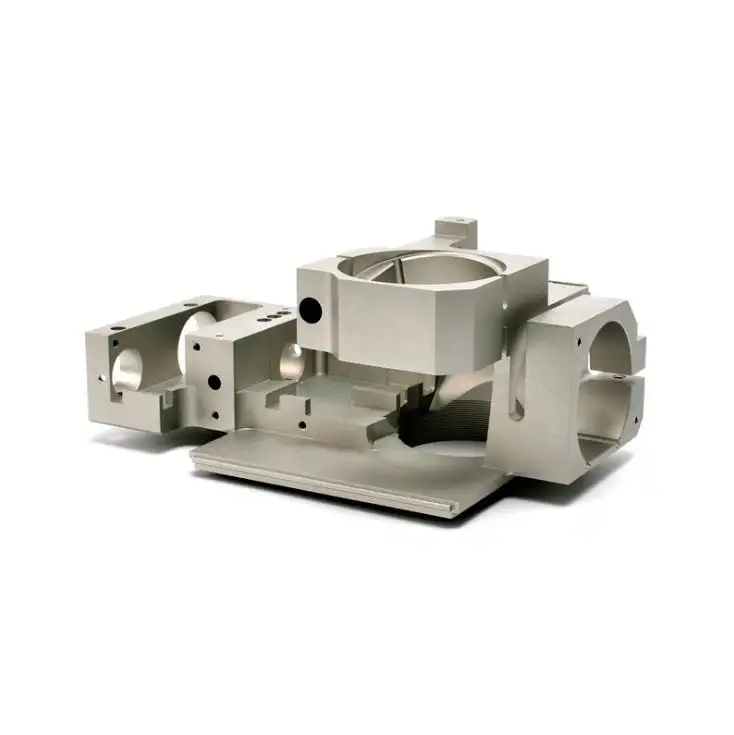
How Machine Capability Changes Lead Time and Price
Not every shop has the same equipment, and CNC Milling Instant Quote pricing often reflects machine availability and spindle performance.
At GD Prototyping, our machining services include 3-axis, 4-axis, and 5-axis milling, plus CNC turning. We run high spindle speeds up to 40,000 r/min (commonly used for fine surface results and small features), which supports complex parts and efficient machining paths when the material and tool strategy allow it.
A beginner-friendly way to think about axes is simple: more axes can reduce setups. Fewer setups usually means better accuracy and faster delivery because the part is handled less.
✅ What capability means for your project
✓ Fewer clamp changes can reduce alignment errors
✓ Complex surfaces can be finished in one run
✓ Shorter overall lead time for difficult geometries
✓ More consistent repeatability from prototype to batch
Materials and Finishes: The "Silent Add-Ons" in Quoting
A CNC Milling Instant Quote is only as accurate as the material and finish selection. Material choice changes tool wear, cutting parameters, and even scrap risk.
We commonly machine both metals and plastics. For beginners, ABS is a practical example: it is tough, impact-resistant, and widely used. ABS typically has a density around 1.2 g/cm³ and is often available in gray-white, beige, and black. If you do not see the exact material you need, selecting "Custom" for engineering review is smarter than choosing a "close enough" substitute—because wrong material assumptions lead to failed tests.
Finishing is another cost area buyers underestimate. "As-machined" is economical but has tool marks. If the part is customer-facing or needs special performance, finishing becomes part of the manufacturing plan.
Common options include polishing, sandblasting, brushed finish, powder coating, plating, black oxide, electropolishing, Anodizing, and heat treatment. Each adds time and sometimes adds masking or handling steps. The customer benefit is clear: you can trade cost for appearance, corrosion resistance, wear resistance, or better paint adhesion when it actually matters.
✅ Beginner rule for finishes
✓ Use "machined surface" for internal testing and fit checks
✓ Upgrade finish only for end-use, brand appearance, or harsh environments
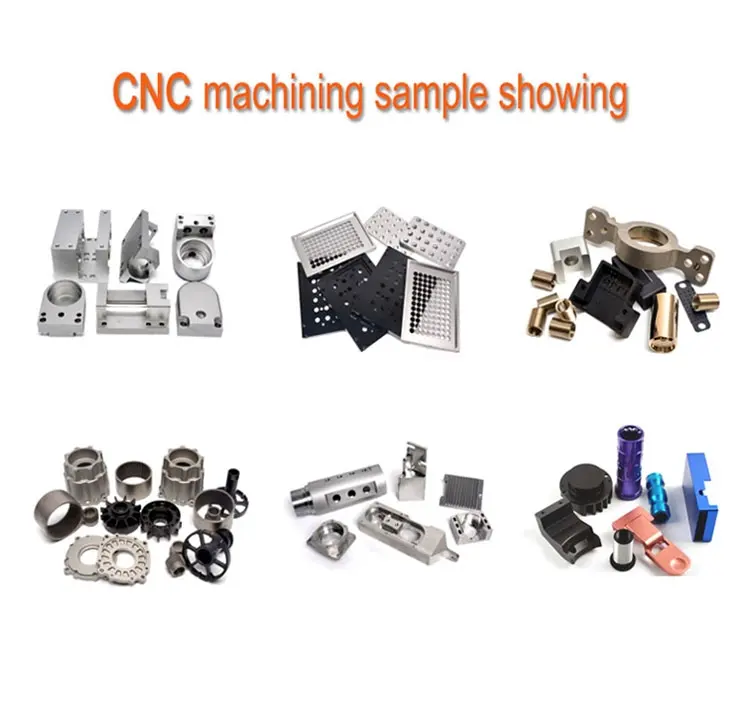
A Simple Checklist to Get a Quote You Can Trust
If you want a CNC Milling Instant Quote that behaves like a real plan instead of a guess, the inputs must match real production intent. This is where beginners win—because good inputs often reduce both cost and lead time.
✅ Send the following with your quote request
✓ 3D CAD + 2D drawing (where critical dimensions are defined)
✓ Material selection (or mark "Custom" if you're unsure)
✓ Quantity range (prototype, 50 pcs, 500 pcs, 1,000+ pcs)
✓ Tolerance notes: critical vs non-critical surfaces
✓ Target finish: machined, sandblasted, anodized, plating, etc.
CTA (Call-to-Action): Evaluating options this quarter? Share your CAD and forecast volumes with GD Prototyping to receive an instant CNC milling quote and practical DFM guidance. We'll surface cost drivers, recommend process paths (milling vs lathing), and help you lock a stable spec for prototype or batch production—keeping the program on track with fewer surprises.
Join the growing group of manufacturers who rely on GD Prototyping for dependable parts and fast development cycles—because a quote should not be a number. It should be a clear path to a usable part.
