


CNC Machining Services Guide (2026): Materials, Finishes, And Tolerance Basics
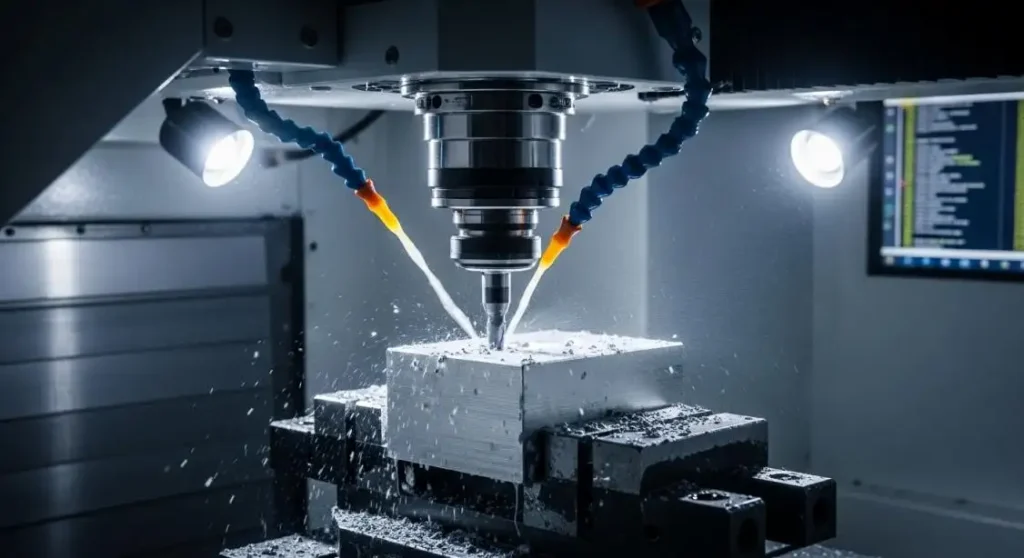
CNC Machining Services are one of the fast ways to turn an idea into a precise, repeatable part—without investing in hard tooling. At GD Prototyping, we support everything from one-off prototypes to production runs, using 3-axis, 3+2-axis, and full simultaneous 5-axis milling, plus CNC turning. This 2026 beginner-friendly guide will help you understand the three levers that decide “good parts” versus “costly rework”: materials, finishes, and tolerances—and how to choose them in a practical way.
What CNC Machining Services Really Cover in 2026
Modern CNC Machining Services are not just “cutting metal.” They are a complete workflow: design review, process selection (milling, 5-axis, turning), material choice, finishing, inspection, and controlled repeat production. In real purchasing, the goal is not only to make a part that looks right, but to make a part that fits, functions, and can be produced again with the same result.
At GD Prototyping, we run an in-house machine shop with 24/7 operations, which helps customers shorten iteration cycles and keep launches on schedule. We also provide one-on-one support with a response within 12 hours, so engineering questions do not sit in a queue while your project timeline slips. The practical value is simple: you get answers while the design is still flexible, not after problems show up on the shop floor.
Choosing the Right Process: 3-Axis, 3+2-Axis, 5-Axis, or Turning
Most beginners start by asking, “Which axis do I need?” The better question is: “Where is the part’s complexity coming from—geometry, accessibility, or tolerance?”
3-Axis Vs 5-Axis: When Each Makes Sense
3-axis milling is widely used for brackets, housings, plates, and many prototype shapes. It is efficient for features that can be reached from one or two directions. 3+2-axis (indexing the part, then machining in 3-axis) is a smart middle option when you need angled faces or multiple setups but do not require continuous 5-axis motion.
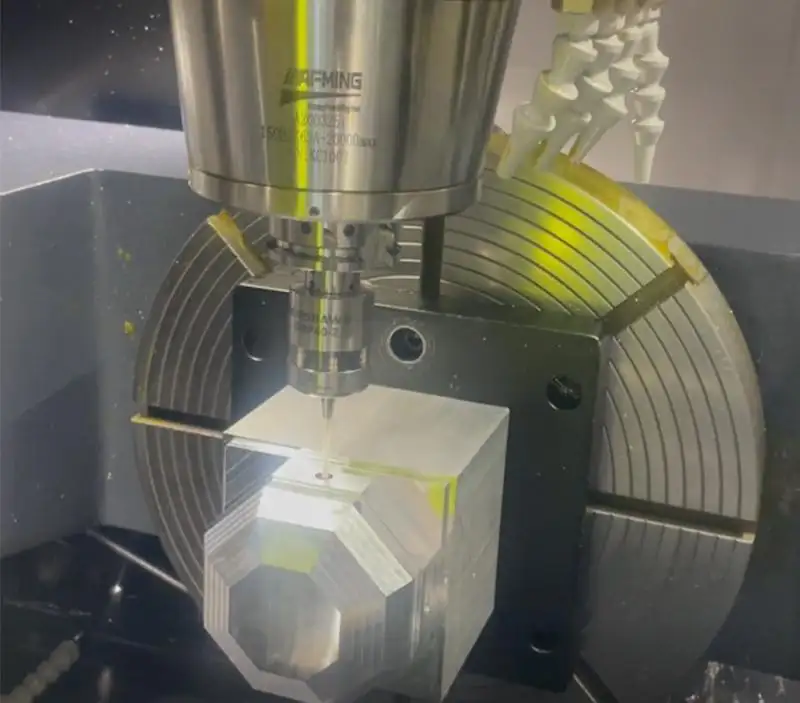
Simultaneous 5-axis milling is ideal when your geometry has deep pockets, complex curves, or features that must stay accurate across many surfaces. It can also reduce multiple setups, which often improves consistency because each extra clamp-and-reposition step adds risk.
For round profiles, CNC turning is usually the most direct manufacturing method. The process rotates rod material against the cutting edge and is routinely chosen for end-use components with axial or radial holes, flats, grooves, and slots.
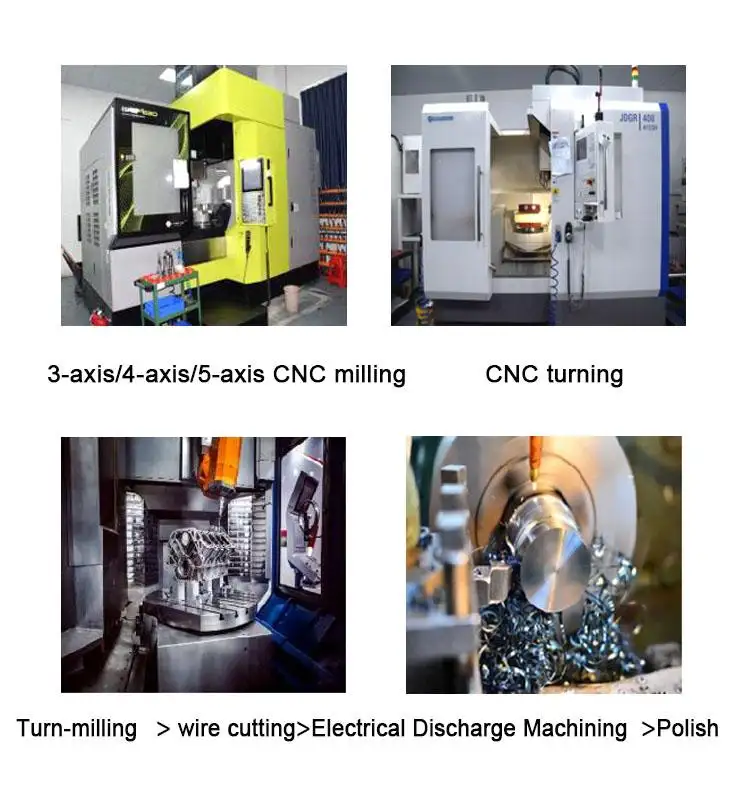
✅ Practical tip: Repeated clamping in 3-axis increases error; 3+2 or 5-axis can boost accuracy and throughput.
Materials 101: Performance First, Cost Second
Begin with the part's survival needs: impact, heat, friction, weather, chemicals, or electrical performance. CNC Machining Services can produce both plastic and metal parts quickly, but every material “machines” differently, which affects tolerances, surface quality, and cost.
For plastics, many projects begin with ABS because it is tough, impact-resistant, and good for functional prototypes. ABS is available in various colors (including gray-white, beige, and black) to help create realistic-looking validation samples. For elevated performance needs, engineering plastics like PEEK or PTFE are options, notably where temperature resistance or low friction is needed.
On the metal side, Aluminum 6061 is a standard go-to for lightweight structural parts and prototype work. It offers a good balance of machinability, strength, and cost. For stronger requirements, alloys like 7075 may be considered, while copper or brass are typical when conductivity or specific wear behavior matters.
✅ Quick selection checklist you can use today:
✓ What load or impact will the part see?
✓ Is the part cosmetic, functional, or both?
✓ Does it need heat resistance or chemical resistance?
✓ Is weight a priority (aluminum) or is stiffness/strength higher priority?
✓ Will you scale from prototype to 1,000+ pcs with the same material?
Tolerance Tips: How to Specify Without Overpaying
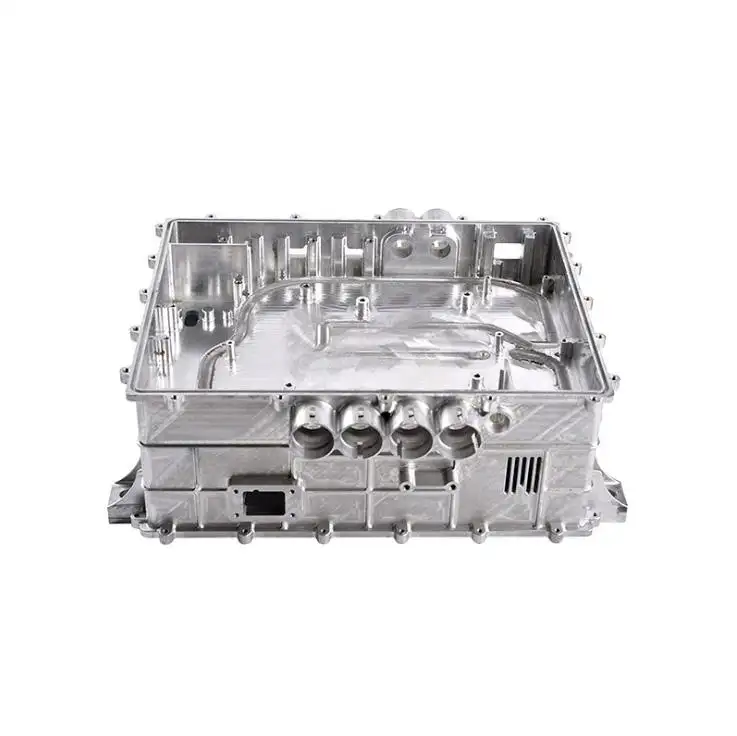
Tolerance is where many first-time buyers lose money. Over-tolerancing drives up machining time, inspection cost, and scrap risk—without improving real-world performance.
At GD Prototyping, our general CNC machining tolerances follow DIN 2768-1 Fine for metals and DIN 2768-1 Medium for plastics, and the final tolerance depends on geometry and material. For projects needing tighter control, we can target ±0.05 mm on critical features under suitable conditions. That level of precision is valuable—but only when the part truly needs it.
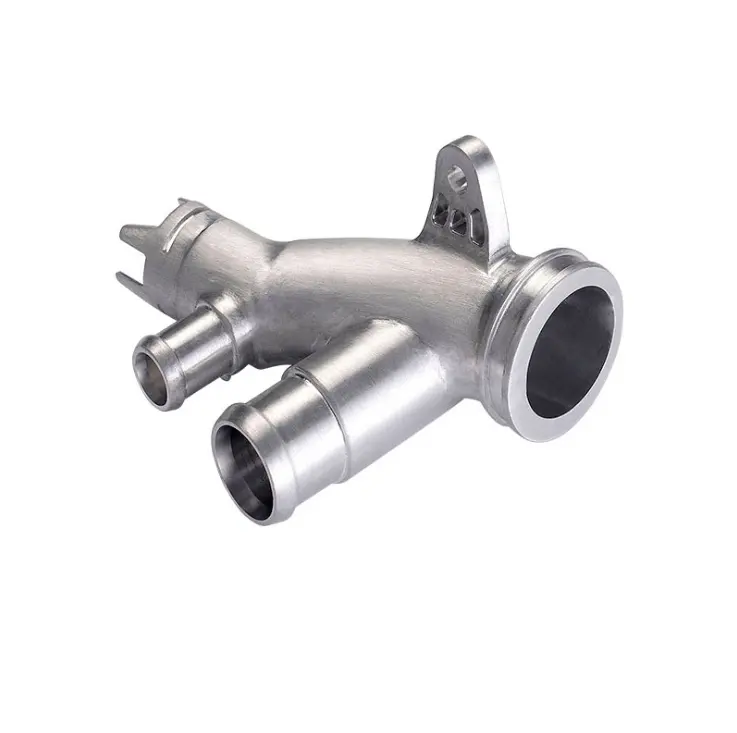
A simple rule: apply tight tolerances only to features that control assembly, sealing, motion, or alignment. Leave the rest “standard” to keep quotes practical.
✅ Tolerance best practices (beginner-friendly):
✓ Mark only the critical-to-fit dimensions as tight tolerance
✓ Avoid stacking tight tolerances across multiple features unless required
✓ Expect plastics to need looser control than metals due to material behavior
✓ Ask your supplier to review geometry—thin walls and long spans may require adjustment
✓ Plan inspection early if your drawing demands tight fits
Industry note: very large parts can be process-dependent. GD Prototyping supports part lengths up to 118" depending on the process, and larger sizes should be reviewed case by case.
Finishes Explained: From Tool Marks to Functional Surfaces
CNC machining typically leaves visible tool paths. If you need a cleaner look, better corrosion resistance, or specific friction behavior, surface finishing becomes part of the design.
At GD Prototyping, we help customers select finishes that match the part’s real job. For example, a cosmetic panel may need a uniform appearance, while a sliding component may prioritize smoother contact performance. In high-precision applications, surface quality can matter as much as size tolerance. For advanced needs, GD Prototyping can support surface roughness targets down to Ra 0.2 μm under suitable process control.
✅ A practical way to choose a finish:
✓ Choose “as-machined” for internal fit checks and early prototypes
✓ Add a finish when the part is customer-facing, exposed, or moving against another surface
✓ Confirm whether finishing changes dimensions on critical features (and mask them if needed)
From Prototype to 1,000+ Parts: A Simple Buying Workflow
One reason buyers choose CNC Machining Services is scalability. CNC can produce one piece to more than 1,000 pcs in a short time, without investing in hard molds. That flexibility is powerful for startups, product teams, and industrial buyers who need bridge production before full-scale manufacturing.
At GD Prototyping, our in-house shop and 24/7 operations support quick turnaround, and our project management approach focuses on cost-effective delivery while keeping specifications stable. The real advantage for you is fewer “surprises” between prototype and production, because the same team can help you maintain the same material logic, process strategy, and inspection approach as quantities rise.
CTA (Call-to-Action):
If you are planning a prototype or a low-volume run in 2026, send GD Prototyping your 3D file (STEP/IGES), target material, quantity, and any critical tolerance notes. We will respond within 12 hours with process suggestions (3-axis, 3+2, 5-axis, or turning), recommend practical tolerances, and advise finish options—so you can reduce rework risk and move faster to reliable production.
