


CNC Machining Instant Quote 101 (2026): Read Pricing Like A Pro
CNC Machining Instant Quote is the fastest way to turn a CAD file into a real price signal—but only if you know what the numbers are truly saying. At GD Prototyping, we built our quoting and machining workflow to help beginners read pricing with confidence, not guesswork. This 2026 "pricing literacy" guide explains what typically drives a quote up or down, what you can control, and how to avoid paying for problems that good DFM could fix in minutes.
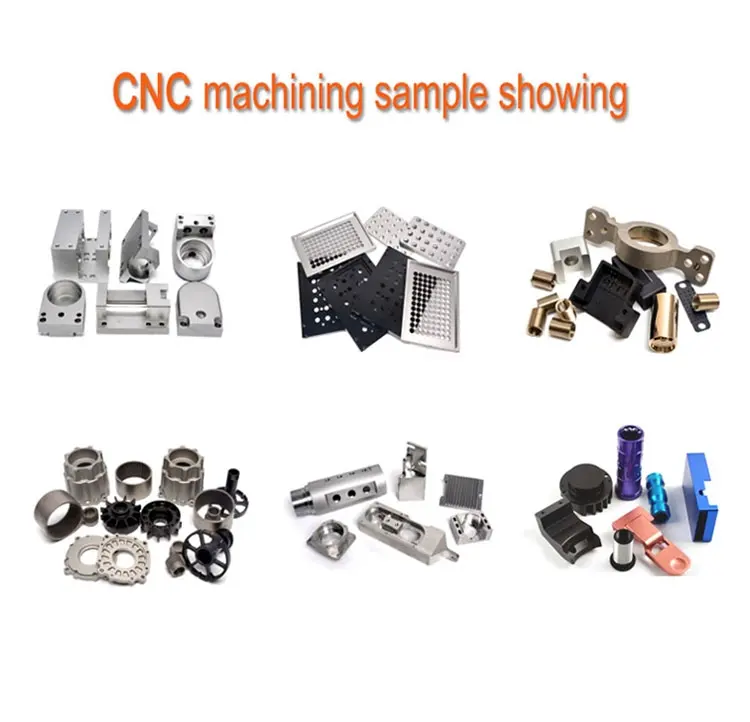
Understand What a CNC Machining Instant Quote Is Really Calculating
A CNC Machining Instant Quote is not only a "cost of cutting." It is a summary of manufacturing effort and risk translated into price. The quote typically reflects how many setups your part needs, how long the spindle will run, what tooling is required, what inspection level is implied by your tolerances, and how predictable the process will be across your requested quantity.
For example, machining a simple bracket in one setup is usually straightforward. But a part with deep pockets, thin walls, and multiple critical faces may need extra workholding, multiple operations, and more checking. When you treat a quote like a diagnostic report, you can spot which features are "expensive" and decide whether they are truly necessary.
• A practical mindset: price = time + complexity + risk control
• Your leverage: geometry choices, tolerances, material selection, and finish
The 5 Price Drivers You Can Control Before You Click "Submit"
Most buyers assume machining cost is mainly material. In reality, material is often the smaller part of the story. The big swings come from what the machine must do and how carefully the shop must verify results.
Here are the most common drivers we see behind a CNC Machining Instant Quote in 2026:
- Setups and orientations: More faces that must be machined accurately often means more re-fixturing.
- Tool reach and depth: Deep cavities require longer tools and slower cutting for stability.
- Small internal corners: Tight radii can force tiny cutters, which increases cycle time.
- Thin walls and delicate features: These invite vibration and deformation, so feeds slow down.
- Critical tolerances: Tighter tolerances increase inspection time and process controls.
At GD Prototyping, we run 3-axis, 3+2-axis, and full simultaneous 5-axis milling, plus CNC turning, so we can often reduce setups by choosing the right process path early. That matters because fewer setups usually means fewer stack-up errors and a cleaner price structure.
Tolerances: Learn the Difference Between "Functional" and "Expensive"
Tolerances are where beginners overspend most often. A drawing might look "professional" with tight numbers everywhere, but a shop reads it as: everything must be inspected more, and more features may need process adjustments.
We regularly support tight tolerance to ±0.05 mm when your design truly needs it, and we can achieve surface roughness down to Ra 0.2 μm on suitable features and materials. But here is the key: not every surface needs that level.
• Put tight tolerance only on interfaces (fits, sealing faces, bearing seats)
• Use general tolerance where function allows it
• If you need tight tolerance on one feature, keep adjacent "non-critical" areas relaxed
We also follow practical tolerance management: for metals we typically align with DIN 2768-1 fine, and for plastics DIN 2768-1 medium, with final results depending on geometry and material. A good quote review should include a quick tolerance sanity check—because tolerance choices directly influence machining strategy and inspection workload.
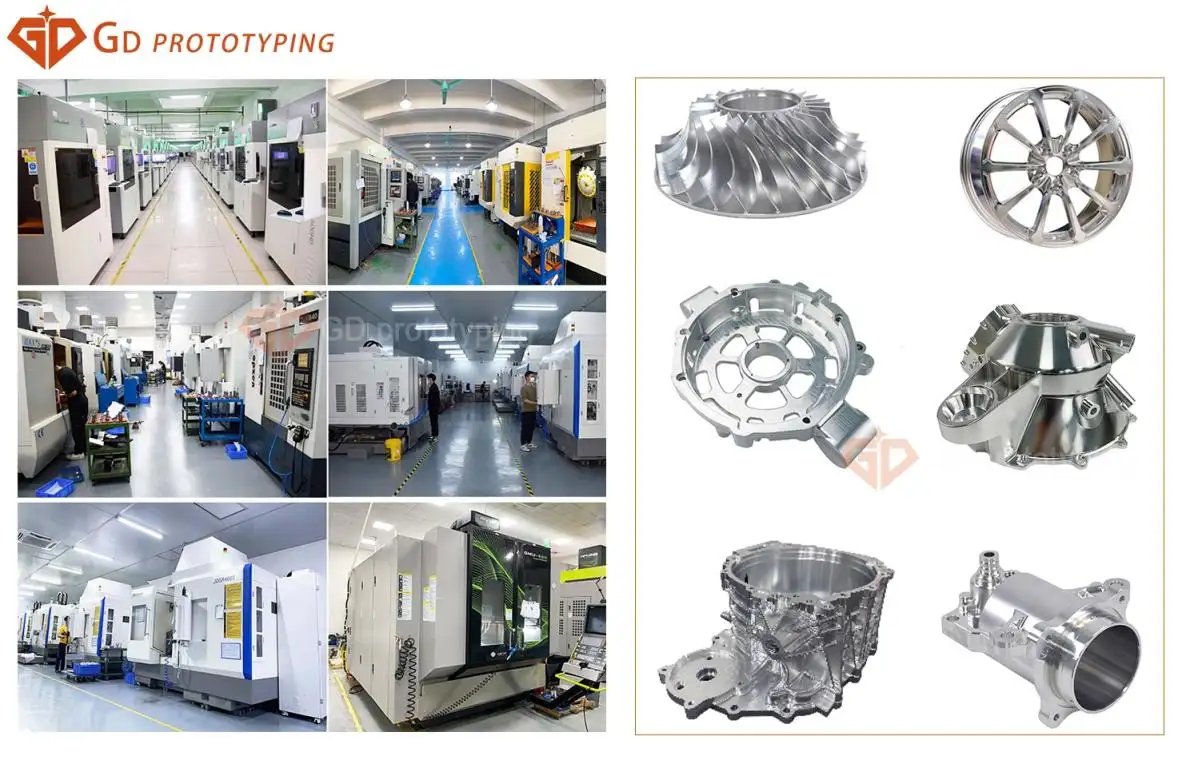
Materials and Finishes: What They Do to Price (And Why)
A CNC Machining Instant Quote can change sharply when you switch materials—not only due to raw cost, but because machining behavior changes. Some plastics are easy and stable; others move, chip, or require extra care. Some metals cut quickly; others demand slower parameters or special tooling.
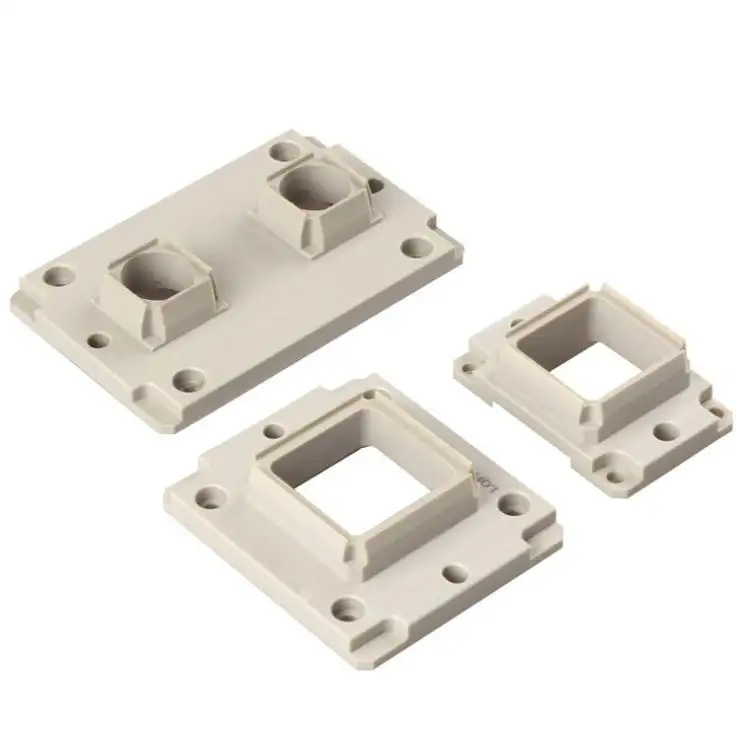
At GD Prototyping, we support a wide range of common plastics (like ABS, PC, POM, PMMA, Nylon) and engineering/special plastics (such as PEEK, PTFE, PPS), plus metals including Aluminum 6061, multiple aluminum alloys, brass, copper, and titanium alloys. The takeaway for beginners is simple: choose materials for function first, then confirm machinability and lead time.
Finishing also affects price—but in predictable ways:
• Machined surface: economical, visible tool marks
• Anodizing (Type II / Type III): adds corrosion and wear resistance for aluminum
• Polishing: improves appearance and reduces roughness
• Sandblasting / bead blasting: consistent matte texture
• Brushed finish: directional texture that hides minor scratches
If you do not see the finish or material you need, selecting "Custom" and adding notes about tolerances, inspection needs, and quantity helps our engineers review it correctly instead of forcing a risky assumption.
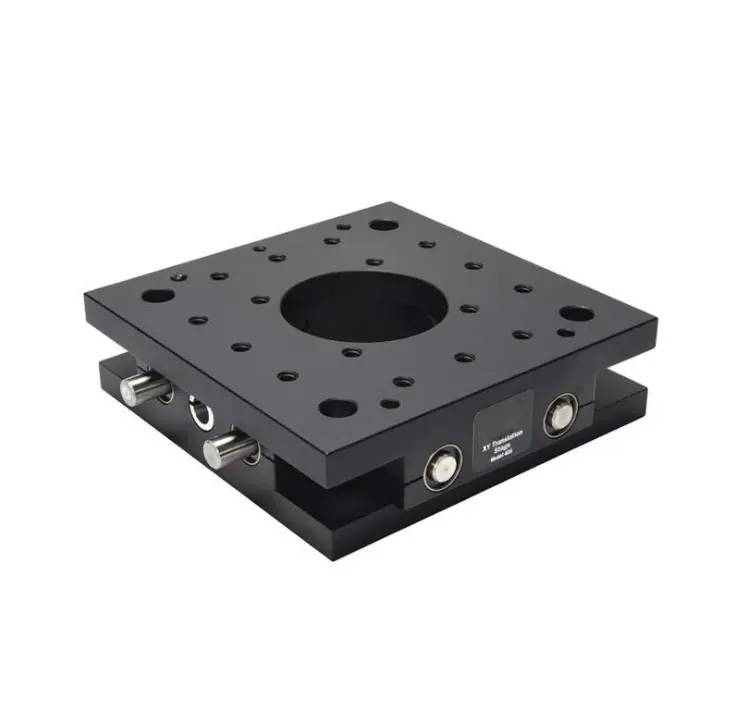
Match the Process to the Part: Milling, 5-Axis, or Turning?
A buyer-friendly quote is often the result of picking the correct process path. Many "expensive" quotes are not expensive because the shop is overpriced—they are expensive because the part is being approached in a way that adds setups or risk.
CNC milling (3-axis, 4-axis, 3+2-axis) is widely used for complex shapes and multi-structure parts. It is a strong option for both functional and appearance prototypes, especially when you need controlled flatness, pockets, bosses, and patterns.
Simultaneous 5-axis milling shines when you need high precision across multiple faces, complex contours, or you want to reduce setups. Fewer setups can mean better consistency and often better total cost for complex geometry.
CNC turning is ideal for round parts made from rod material. If your part has axial or radial holes, flats, grooves, or slots, turning plus secondary milling can be a clean and efficient route.
One more practical detail: we can support part lengths up to 118" depending on the process. If your part is larger, ask early—oversized work changes fixturing and logistics, and it is better to plan it from day one.
A Beginner-Friendly Quote Checklist and a Clear CTA
If your goal is to read pricing like a pro, treat your CNC Machining Instant Quote as a conversation starter. A good shop will not only send a number—it will point out what is driving that number and what you can adjust.
Use this quick checklist before you request a quote:
• Upload the right CAD (STEP is ideal) and include the drawing if you have it
• Mark "critical" features instead of applying tight tolerances everywhere
• Share quantity range (1, 10, 100, 1,000+) because strategy changes with volume
• Specify finish expectations (machined, anodized, blasting, polishing)
• Add notes on inspection needs if the part is for assembly or end-use production
At GD Prototyping, our team provides one-on-one support with response within 12 hours, backed by an in-house machine shop running 24/7 operations for quick turnaround. That combination is designed to help you move from "quote" to "good parts" with fewer iterations.
CTA (Get Free Quote): If you want a CNC Machining Instant Quote that is easy to interpret, send GD Prototyping your CAD file, target material, quantity, and any critical tolerance/finish notes. We will review the cost drivers, suggest practical DFM improvements, and help you lock a spec that prints cleanly, assembles smoothly, and scales from prototype to production.
