GD Prototyping

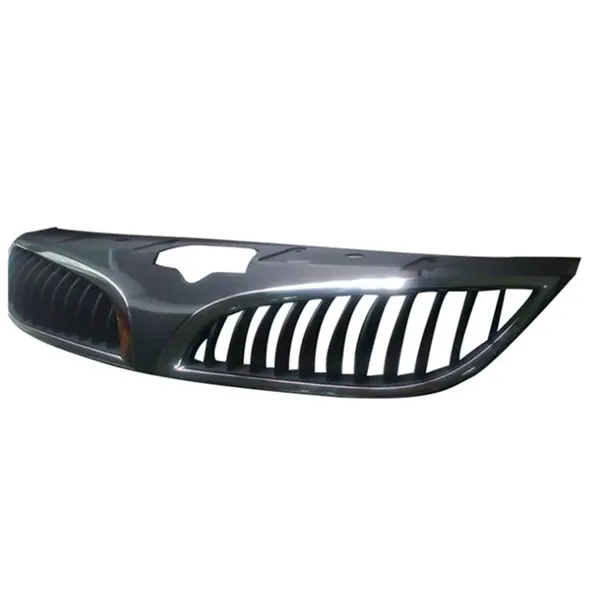


- Description
- Specification
- Application
- FAQS
Vacuum casting services, also called urethane casting, silicone molding, or polyurethane molding, provide an efficient and cost-effective way to produce high-quality prototypes and small production runs.
The process starts by creating a master model, often produced with 3D printing, CNC machining, or manual crafting. Technicians then craft a silicone mold from the master, capturing every detail with high accuracy. Once ready, the team pours liquid plastic or silicone into the mold under vacuum pressure. The vacuum removes air bubbles and ensures even material flow. This results in parts with excellent surface finish and precise dimensions.
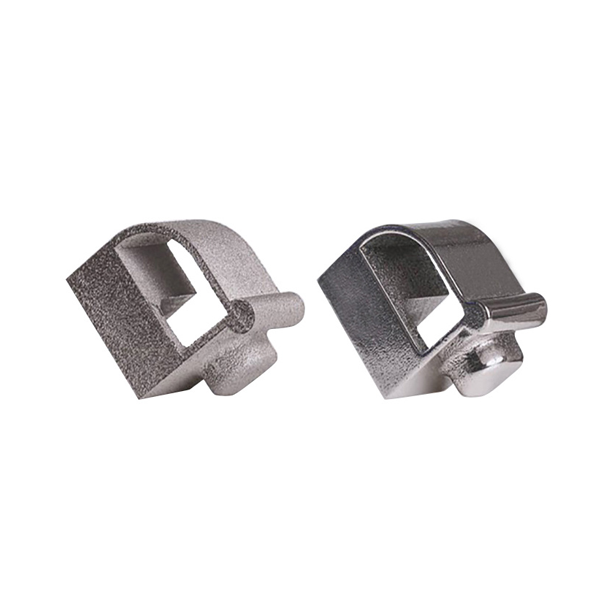
Vacuum casting services also support metal parts production. When you need low-volume or prototype metal components, this method offers fast and affordable production. Pouring metal alloys or composites into silicone molds creates complex, detailed metal parts. This approach suits industries like automotive, aerospace, and medical, where small batches of precise metal components are often required.
At GD Prototyping, we offer advanced vacuum casting services for both plastic and metal parts. Our team focuses on delivering quick turnaround times, flexibility, and cost-efficiency. We help you bring your designs from concept to prototype without the expenses or delays of traditional manufacturing.
Our vacuum casting solutions allow easy design changes. You can update the master model and create new molds quickly, supporting iterative development. These services produce parts suitable for functional testing, user trials, or limited production runs.
In addition to accuracy and speed, vacuum cast parts accept finishing options such as painting, polishing, or texturing to meet your aesthetic and functional needs. This versatility makes vacuum casting services a valuable option across many industries seeking reliable, low-volume manufacturing.
| Parameter | Value / Description |
|---|---|
| Process Name | Vacuum casting (urethane casting, silicone molding, polyurethane) |
| Key Benefits | Quality, speed, versatility, low cost-effectiveness |
| Used In Collaboration | GD prototyping |
| Production Stage | Prototypes or low volume production before injection molding |
| Mold Types | Silicone Mold 2K, Silicone Mold 3K, Overmoulding |
- Part Reproduction
- Mold Making
- Prototyping
- Low Volume Production
1. What is Vacuum Casting?
Answer: Vacuum Casting is a rapid prototyping technique used to create high-quality, low-volume parts. It involves pouring a liquid material, typically polyurethane, into a silicone mold under vacuum pressure to remove air bubbles and ensure a smooth, detailed finish.
2. What materials can be used in Vacuum Casting?
Answer: Vacuum Casting is typically performed with materials like polyurethane resins, silicones, or rubber-like materials. These can be customized for different hardness, flexibility, and color requirements, making it ideal for creating prototypes that closely resemble the final product.
3. What are the main benefits of Vacuum Casting?
Answer: The key benefits include high precision, fast turnaround times, cost-effectiveness for low-volume production, and the ability to replicate complex designs with smooth surfaces and fine details. It's an excellent option for functional prototypes and pre-production parts.
4. How long does Vacuum Casting take?
Answer: The typical turnaround time for a Vacuum Cast part ranges from 5 to 15 days, depending on the complexity and size of the part. The mold-making process is relatively quick, but curing and post-processing may require additional time.
5. Can Vacuum Casting be used for mass production?
Answer: While Vacuum Casting is not ideal for large-scale production, it is well-suited for low to medium-volume runs. It is often used for small batch production or for testing prototypes before moving to full-scale manufacturing processes like injection molding.