GD Prototyping

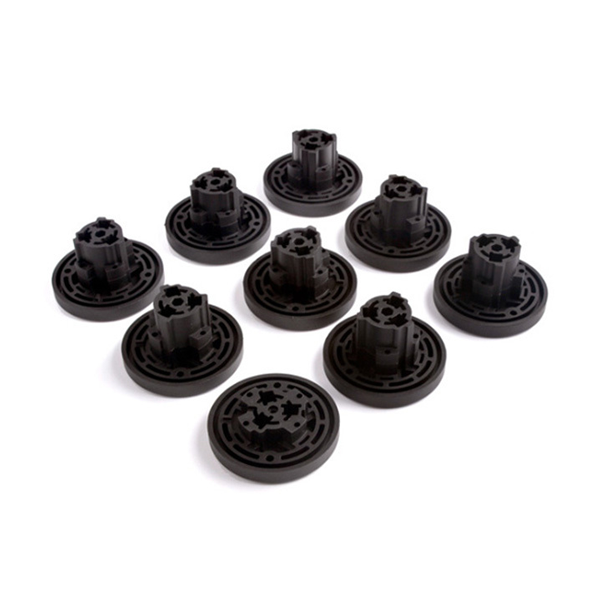
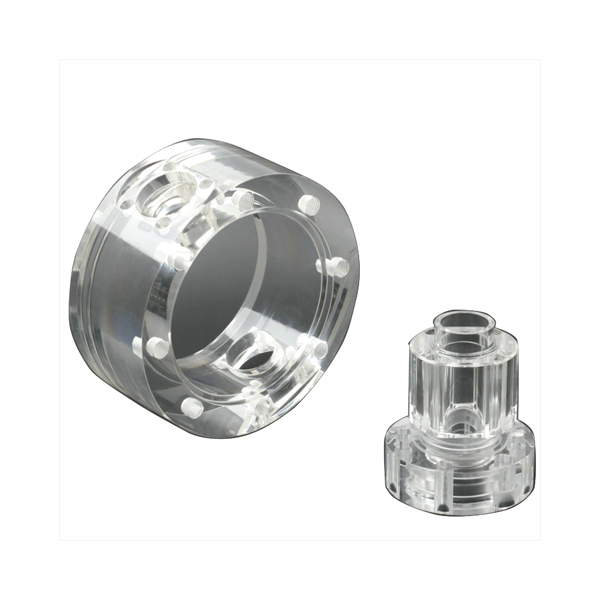
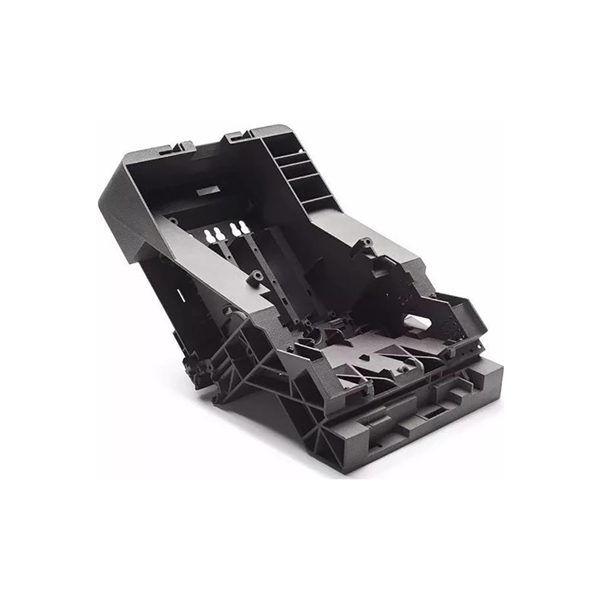
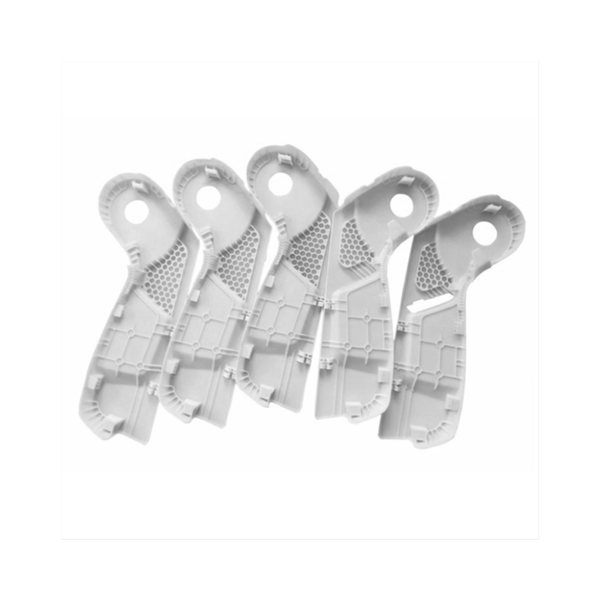
Low Volume CNC Machining
-
Batch Size: 10 to several thousand units
-
Axis Capability: 3-axis, 4-axis, and 5-axis machining
-
Tolerance: Up to ±0.005 mm for high-precision parts
-
Supported Materials: Aluminum, stainless steel, titanium, brass, plastics, high-performance alloys
-
Surface Finishes: Anodizing, powder coating, polishing, plating, bead blasting
-
Lead Times: Rapid turnaround based on complexity and batch size
Share:


- Description
- Specification
- Application
- FAQS
Low volume CNC machining focuses on producing parts or products in limited quantities, typically ranging from a few units up to several hundred. This method helps you reduce production costs by avoiding the need for expensive tooling and large-scale manufacturing setups. Instead of committing to full production runs, you can efficiently produce only the quantities you require.
This approach offers flexibility in design and manufacturing. You can easily make adjustments or improvements between batches without significant delays or costs. This makes low volume CNC machining well-suited for prototyping and pilot runs where testing and refinement play a key role. It also supports customized orders, allowing you to meet specific client needs without large minimum order requirements.
The precision of CNC machining ensures consistent quality across all produced parts, regardless of the batch size. Computer-controlled tools follow exact programming, delivering tight tolerances and complex geometries. This accuracy is valuable for industries such as aerospace, automotive, medical devices, and electronics, where parts must meet strict specifications.
Turnaround times are generally faster with low volume CNC machining compared to mass production methods that require long tooling lead times. You can accelerate product development cycles by quickly moving from design to finished parts. This speed helps respond to market changes or urgent project demands.
Additionally, the ability to produce smaller quantities reduces inventory pressure and upfront investment. You don’t need to stockpile large amounts of parts or materials. This can free up resources and lower financial risks, especially when product demand is uncertain.
By selecting low volume CNC machining, you gain control over cost, quality, and delivery schedules. This method provides a practical balance for producing precise parts without the constraints of high-volume manufacturing. Whether for prototyping, testing, or limited production runs, it supports efficient and adaptable manufacturing solutions.
| Parameter | Value / Description |
|---|---|
| Materials | Aluminum, Stainless Steel, Brass, Titanium, Plastics (ABS, Nylon, PEEK), etc. |
| Machining Processes | CNC milling, CNC turning, drilling, tapping, grinding |
| Tolerance | ±0.01 mm to ±0.1 mm (depending on part complexity and material) |
| Surface Finish Options | Sandblasting, polishing, anodizing, plating, painting, bead blasting, powder coating |
| Maximum Part Size | Varies by machine, typically up to 600 × 400 × 300 mm |
-
Prototyping: Functional prototypes with end-use quality
-
Pilot Production: Small-scale runs for market testing
-
Custom Components: Niche parts for specialized industries
-
Medical Devices: Low-quantity, precision parts for testing and clinical use
-
Automotive & Aerospace: Lightweight, durable parts for performance validation
-
Consumer Electronics: Low-volume housings, brackets, and enclosures
1. What is low-volume CNC machining?
It is the production of parts in small quantities, typically from a few units up to several hundred, using CNC milling, turning, or other machining processes.
2. Why choose low-volume CNC machining?
It reduces upfront costs by avoiding expensive tooling and allows for quicker design changes and faster turnaround compared to mass production.
3. What materials can be machined?
Common materials include aluminum, stainless steel, brass, titanium, and various plastics.
4. What are typical tolerances?
Tolerances usually range from ±0.01 mm to ±0.1 mm depending on part complexity and material.
5. Can surface finishes be applied?
Yes, finishes such as anodizing, polishing, plating, sandblasting, and painting are commonly available.