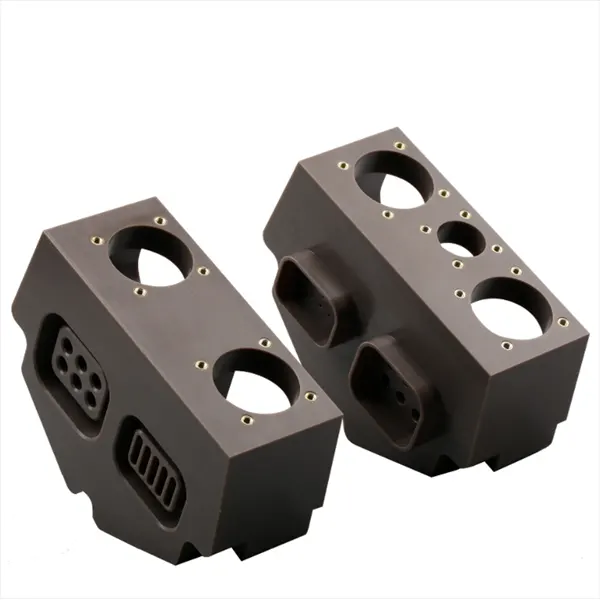
GD Prototyping


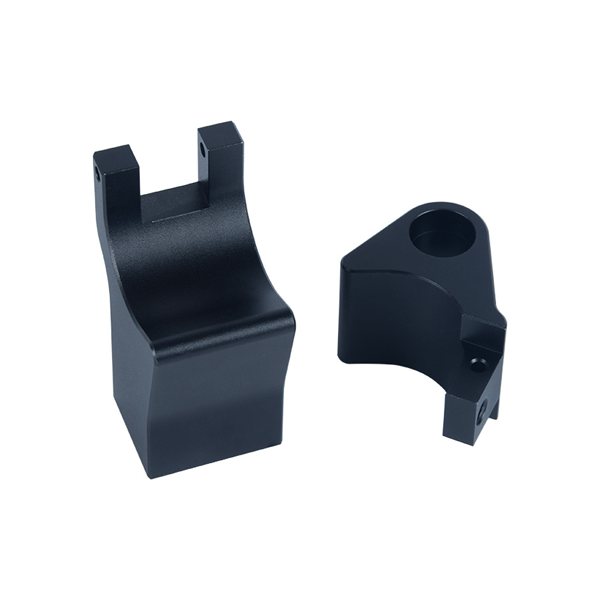
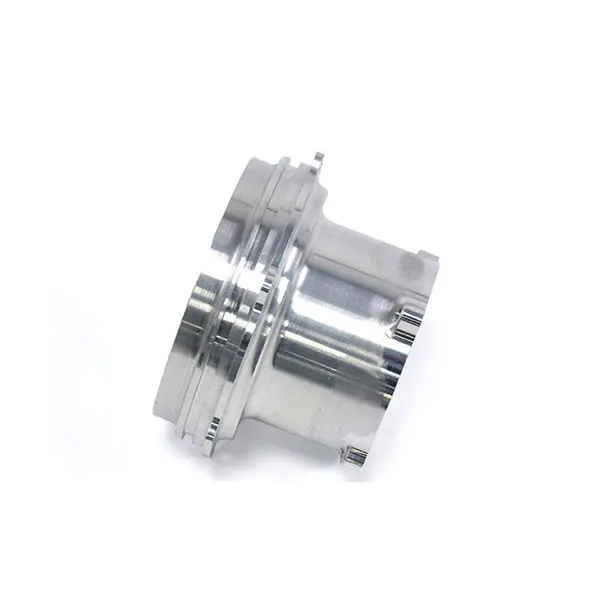
CNC Machined Anodized Aluminum
-
Machining Process: CNC milling & turning, 3-axis / 5-axis precision machining
-
Material: Aluminum alloys (6061, 7075, 2024, etc.)
-
Tolerance: Up to ±0.005 mm
-
Surface Finish: Anodized (black, silver, gold, red, blue, custom colors)
-
Anodizing Thickness: 5–25 microns standard / up to 50 microns hard anodizing
-
Production Volumes: Prototype, low-volume, and mass production
Share:


- Description
- Specification
- Application
- FAQS
At GD Prototyping, we specialize in producing CNC Machined Anodized Aluminum parts that merge precision engineering with high-performance surface finishing. CNC machining allows us to create complex, tight-tolerance components from aluminum alloys, ensuring exceptional accuracy and repeatability. To further enhance these parts, we apply anodizing, which strengthens the surface, improves wear resistance, and delivers a refined aesthetic.
CNC machining provides the flexibility to manufacture everything from intricate prototypes to large-scale production runs. By integrating anodizing, the machined parts gain an added layer of protection against corrosion, scratches, and fading, making them suitable for industries that require both functionality and appearance.
Our anodized aluminum parts can be finished in various colors, including black, silver, gold, red, and blue, giving customers the option to align with branding or product design. With tolerances up to ±0.005 mm and surface roughness that meets industry standards, every part reflects superior craftsmanship.
Whether you need functional prototypes, small-batch runs, or full-scale production, GD Prototyping delivers CNC machined anodized aluminum solutions that balance strength, precision, and design excellence.
| Parameter | Value / Description |
|---|---|
| Material Options | Aluminum alloys: 6061, 6063, 7075, 5052, etc. |
| Machining Processes | CNC milling, CNC turning, drilling, tapping, contouring |
| Corrosion Resistance | Excellent after anodizing, especially Type III |
| Surface Hardness | Up to ~500 HV with hard anodizing |
- Consumer Electronics:Device housings, laptop frames, phone enclosures, camera shells.
- Automotive Components:Custom brackets, engine parts, decorative trims, pedal assemblies.
- Aerospace & Defense:Lightweight structural parts, mounts, and enclosures requiring corrosion resistance.
- Medical Devices:Handles, surgical tool frames, and non-reactive external components.
- Industrial Equipment:Heat sinks, machine panels, sensor housings, and structural supports.
- Robotics & Automation:Precision brackets, joints, sensor mounts, and aluminum linkages.
- Lighting & Architecture:LED housings, decorative aluminum covers, and anodized panels.
- Prototyping & Small-Batch Production:High-quality metal prototypes and limited-edition functional parts.
Q1: Why combine CNC machining with anodizing?
CNC machining ensures precision, while anodizing adds durability, corrosion resistance, and an attractive finish.
Q2: Can anodized CNC machined parts be colored?
Yes, they can be finished in multiple colors, including black, silver, gold, red, and blue.
Q3: Does anodizing affect tolerances?
The dimensional change is minimal (micron level), making it suitable for precision parts.
Q4: Which aluminum alloys are best for anodizing?
6061 and 7075 are commonly used due to their machinability and excellent anodizing properties.
Q5: What industries use CNC machined anodized aluminum?
Automotive, aerospace, medical, consumer electronics, robotics, and industrial sectors.