


Benefits of CNC Machining Aluminum for Lightweight Structural Parts
Lightweight design is vital to many fields including electric vehicles, drones, robotics, automation and equipment, and various branches of electronics. Smaller components lead to less mass, which can lead to decreased inertia and energy consumption and decreased load on the actuators. However, lightweight design is not just design where everything is made thinner.
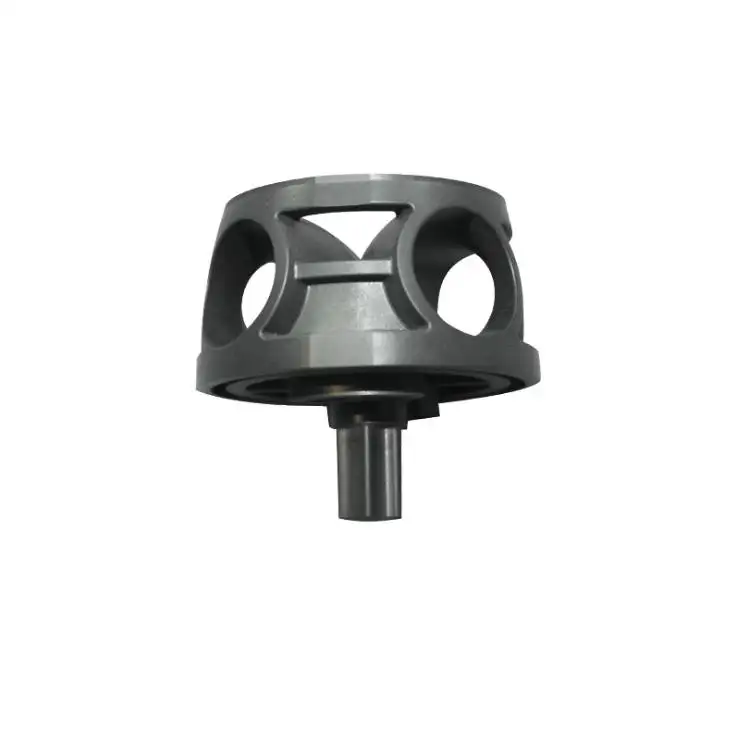
The Benefits of CNC Machining Aluminum arise from the use of low-density aluminum combined with the precision and design possibility of CNC milling and turning, allowing the engineer to remove non-critical material, maintain load paths, and design integrated mounting and features and modify sizes with no need for hard tooling.
Why Aluminum is Great for Lightweight Design
Aluminum has a density of an estimated 2.7 g/cm³, about a third of the density of carbon and of stainless steel. Depending on the alloy and heat treatment, it can still provide useful strength for load-bearing parts.
| Material | Approx. Density | Main Advantage | Typical Limitation |
| Aluminum | 2.7 g/cm³ | Low weight and good machinability | Lower stiffness than steel |
| Carbon steel | 7.8 g/cm³ | High strength and rigidity | High component mass |
| Stainless steel | 7.9–8.0 g/cm³ | Strength and corrosion resistance | Heavy and slower to machine |
| Magnesium | 1.7–1.9 g/cm³ | Extremely lightweight | More demanding process control |
| Engineering plastic | 1.1–1.5 g/cm³ | Very low weight | Lower rigidity and heat resistance |
Density is only the starting point. Wall thickness, rib direction, fatigue, and load distribution also determine structural efficiency.
Aluminum naturally forms a protective oxide layer. Anodizing enhances all of the aforementioned characteristics. In addition, its thermal conductivity is ideal for use in battery housing, motor bodies, controllers, LED heat sinks, and robotic drives.
Benefits of CNC Machining Aluminum
Shorter Lead Times
In general, aluminum cuts less than steel. In addition, it allows for higher rates of spindle and feed movement. These factors combine to make the time to complete a machining cycle and the load on the tooling less.
The key benefits of high rates of material removal and reduced cycle times can be listed as follows:
• Designs can easily be modified
• Iterations of design can be quickly performed
• Short production runs can be accomplished without tooling
• Prototypes can easily be converted into final products
This is a powerful set of benefits when the design of a component is expected to change during and after assembly or testing.
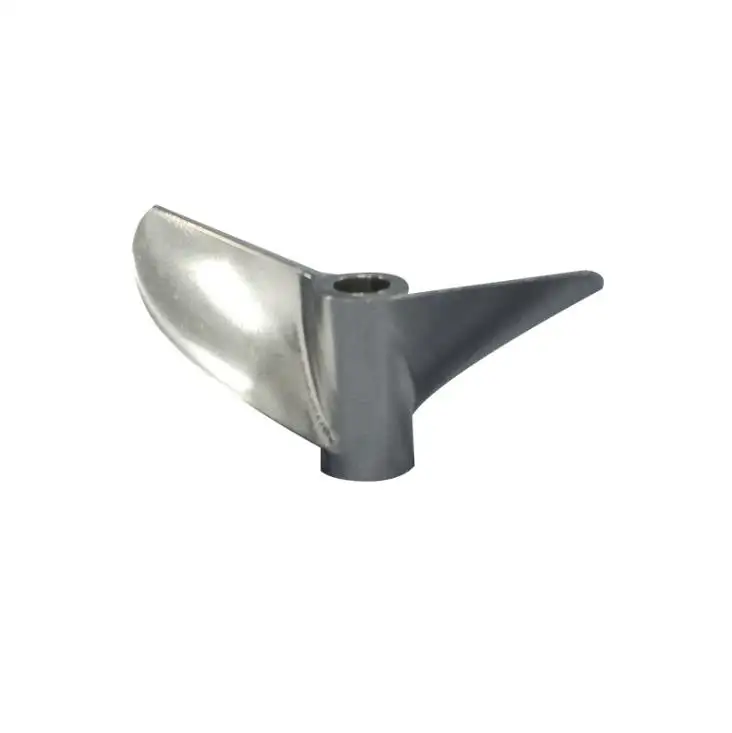
Highly Accurate Features
CNC machining can create:
• Internal pockets and hollow sections
• Ribbed structures
• Thin walls with local reinforcement
• Curved load-bearing surfaces
• Integrated brackets and mounting bosses
• Multi-angle holes
Material can be removed from low-stress zones while remaining around bearings, joints, fasteners, and other critical load paths.
No Hard Tooling
CNC machining does not require die-casting or injection-molding tools. It is therefore suitable for one-off engineering parts, functional prototypes, design verification, custom components, and low-volume production.
Designing Lightweight CNC Aluminum Parts
Problems often associated with lightweight designs include wall vibrations, flexing, visual marks from clamping, inconsistent material thickness, and spring-back. Some design techniques include:
• Avoid creating walls that are needlessly thin
• Incorporate gradual thickness changes
• Add ribs for support around areas that are under high loads
• Increase the radii of internal corners
• Avoid deep narrow cavities
• Design for stable clamping surfaces
• Use tight tolerances for features that are absolutely necessary
An effective approach to minimizing the weight of a design is to replace multiple components with a single, highly integrated CNC design. This reduces assembled weight and the effects of tolerance stack-up. While the degree of integration may reduce the number of parts in the assembly, it may lead to an increased time for machining.
CNC Aluminum and Other Methods Compared
| Option | Benefit | Cost Concern | Ideal For |
| CNC-machined aluminum | High accuracy and adaptability without the need for additional tooling | Removal of material can raise expense | Prototyping and production of small to medium runs |
| CNC-machined steel | Very high stiffness and wear resistant | Significantly heavier and costlier to machine | High-load parts |
| Aluminum die casting | Cost-effective for very large production runs | Very high cost for tooling | High production volumes |
| Sheet metal fabrication | Very economical for production of panels | Very limited 3D geometry | Enclosures and covers |
| Engineering plastics | Lowest mass | Significantly lower stiffness and resistant to heat | Very low duty parts |
When accuracy and speed matter, in addition to the flexibility of geometry for a moderate quantity, the value of CNC machining Aluminum shows the greatest strength.
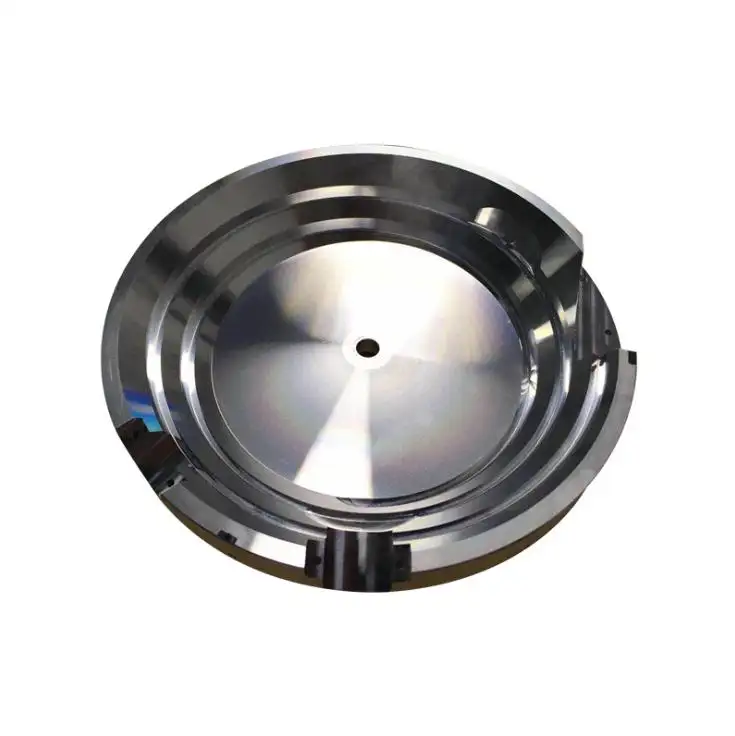
Technical Challenges and Process Controls
Lightweight aluminum parts are not automatically easy to machine. Large material removal can release residual stress, while deep cavities reduce tool rigidity and complicate chip evacuation.
Common control methods include:
• Roughing and finishing separated by operations or instances
• Removal of material in a symmetrical fashion
• Application of low force or custom fixtures
• Use of sharp tools and/or specialty aluminum tools
• Controlled radial engagement of the cutting tool
• Stress-relieved stock, as required
• Inspections of the intermediate kind
• Methods of stabilization prior to final finishing
These methods aim to control distortion, effectively producing repeatable results.
Surface Finishing Options
The shortest lead time option is to supply the part as-machined. Anodizing (both regular and hard) is used to finish the part. Bead blasting (to create a matte finish), polishing (for reflectivity), and brushing (for a directional finish) are also options.
Finishing may alter dimensions. Precision bores, threads, sealing faces, and fits should include masking or suitable process allowance.
Typical Applications
CNC-machined lightweight aluminum parts are used for:
• Aerospace brackets, drone frames, and sensor mounts
• Electric-vehicle battery and motor components
• Robot arms, end effectors, and motion supports
• Electronic housings and thermal structures
• Optical and medical equipment structures
How GD Prototyping Supports Lightweight Aluminum Projects
GD Prototyping supports lightweight aluminum parts through 3-axis, 4-axis, 3+2-axis, simultaneous 5-axis milling, and CNC turning. These processes can produce curved surfaces, multi-angle holes, deep pockets, thin-wall housings, and complex mounting geometry with fewer setups.
With consideration to material, dimensions, geometry, wall thickness, and datum design, tolerances of ±0.05 mm and roughness of Ra 0.2 μm are feasible. While managing tolerances of metals, we apply DIN 2768-1 fine (as far as applicable), and review every single drawing with regard to real fabrication circumstances.
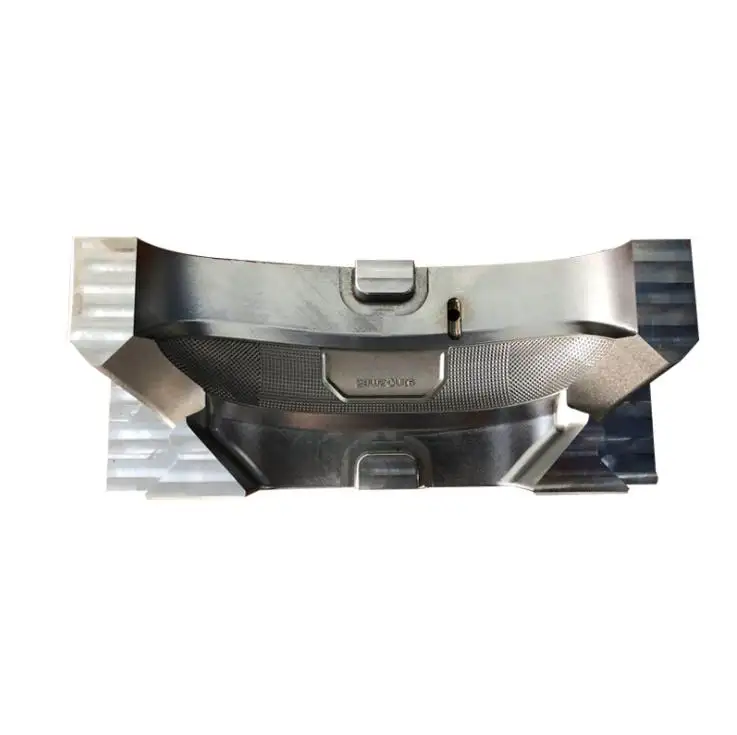
The aluminum alloys we offer are 6061, 5052, 2024, 6082, 7075, 7050, 5083, 3003, and 1100. We provide a wide range of finishes, including anodizing, polishing, sandblasting, brushing, and as-machined.
We offer prototyping and production services for low volume and even up to end-use components. Our manufacturing services are supplemented with our fully supported in-house shop, 24/7 operations, dedicated support and 12 hour response guarantee.
Closing Words
The Benefits of CNC Machining Aluminum extend beyond low density. CNC machining gives engineers the accuracy and geometric freedom to optimize walls, ribs, pockets, interfaces, and load paths without committing to expensive tooling.
Successful lightweight parts still require balanced decisions on alloy, stiffness, fatigue, tool access, tolerances, and finishing. Submit your drawings, material, quantity, and inspection requirements to GD Prototyping for practical DFM feedback and a manufacturing assessment.
FAQs
Q1. What aluminum CNC machining services does GD Prototyping provide?
With GD Prototyping's CNC services, you can have brackets and housings machined, regardless of the complexity. We can also assist you in machining thin-wall structures, deep cavities, and parts with curved surfaces and multi-angle features.
Q2. What aluminum alloys can GD Prototyping machine?
GD Prototyping can machine many alloys including 6061, 6082, 7075, 5052, 5083, 3003, 2024, 7050, and 1100 aluminum. The most appropriate alloy should be selected based on the desired balance of strength and corrosion resistance, ease of machining, fatigue and cost.
Q3. What tolerances can GD Prototyping achieve on aluminum parts?
Tolerances of ±0.05 mm are achievable with GD Prototyping, but it is highly dependent on the aluminum alloy selected, as well as the size, geometry, wall thickness, and accessibility of the part. In addition, the part is reviewed individually to check for deep pockets and thin walls, as well as long dimensions.
Q4. What is the best surface finish available for CNC machined aluminum parts?
The best surface finish available for CNC machined aluminum parts is Ra 0.2 μm. This is only achievable under the right conditions, such as the focus being on a functional surface, which greatly depends on the machining strategy, alloy, geometry, and cutting accessibility.
Q5. Can GD Prototyping machine thin-wall aluminum structural parts?
GD Prototyping has the capability to machine structures that have thin walls, such as frames, housings, and enclosures, for example. The process for machining these structures may require a staged approach with roughing and finishing, as well as low-force fixturing and symmetrical material removal. Deformation may be limited with close control of the machining parameters, as well as inspection between stages.
6. Are lightweight aluminum parts included in GD Prototyping's DFM support?
Certainly. Our engineers will analyze material selection, wall thickness, internal radii, pockets, depth, finish, tolerances, tool accessibility, and DFM review to determine if a design will adversely affect machining, increase lead time, or increase costs.
