


Anodized Aluminum Surface Finish | Professional Services
The Ultimate Dynamics of Strength, Accuracy, and Beauty
In the modernized manufacturing world, the balance of strength, appearance, and performance is the most important. It is important to find the optimal balance between them, and here anodized aluminum surface finish comes in. It is a high-performing and corrosion-resistant advanced surface treatment of ordinary aluminum that is visually appealing to be use in aerospace, automotive, electronics, and consumer products.
CNC machining provides precision, tight-tolerance, and repeatability in the part shaping, whereas anodizing aims at improving the part surface by means of electrochemical oxidation of the aluminum, creating a protective surface layer of aluminum oxide. Combining them, they come up with lightweight, strong, and long-lasting components.
Aluminum Anodizing Process
The anodizing process is an electrochemical surface finishing in which the electrolytic bath has the part as the anode, and the electrolyte is normally sulfuric acid. On the surface, oxygen ions are bonded with aluminum atoms when the electric current flows through and create a coating or layer of anodic oxide that is thick and stable.
This layer of aluminum oxide is part of the substance; it is not going to peel or flake away like paint or plating. The resulting anodized coating is porous, which can be dotted with color dyeing during the anodizing process and sealed after anodizing to fix dyes and close the pores.
Types of Anodized Finishes
Anozing is Divided Into - Depending on use and the needed performance.
Type II Anodizing Finish - This one is used in the case of decorative anodized aluminum finish and moderate corrosion resistance.
Type III Hard Anodizing Finish - It is a more wear-resistant, abrasion-resistant, and better-surface hardening type of anodizing finish, used in aerospace parts of aluminum.
Decorative Anodizing Finish - The decorative anodizing finish is used to provide matte, glossy, satin, or colored anodized aluminum finishes to consumer and architectural products.
The thickness of anodic oxide is controlled in each type, and is usually 5 to 25 microns in decorative finishes, and 25 to 100 microns in hard anodizing.
CNC Machined Anodized Aluminum: Accuracy Meets Defense
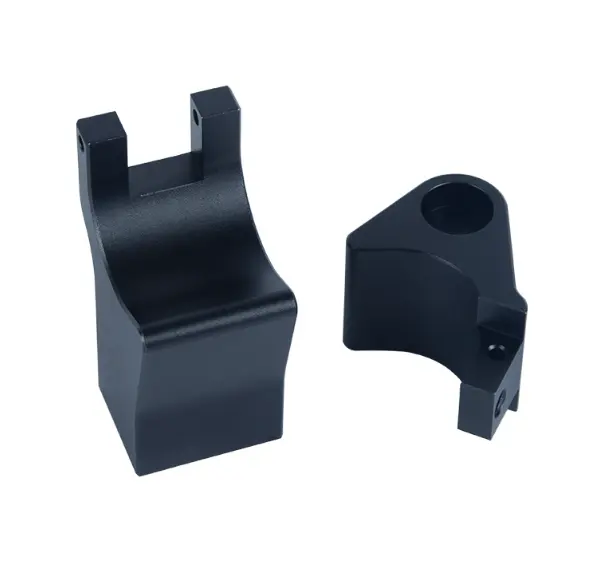
This has led to an increase in the use of CNC-machined anodized aluminum, which has better mechanical properties and attractiveness in appearance. CNC machining produces tight-tolerance anodized finishes with complicated geometries, with anodizing providing corrosion resistance, wear protection, and color customization.
In the surface finishing of anodizing, all the details count (cleaning of the surface before anodizing, etching and degreasing, chemical polishing, and bead blasting before anodizing). These procedures provide a smooth and uniform surface to increase the strength of adhesion of coatings and reduce surface defects.
The Benefits
Increased Corrosion Resistance
The base metal is coated with aluminum oxide to ensure that it is not damaged by the environment. It is especially applicable to anodized aluminum coating on the sea, and anodizing of architectural aluminum, where moisture and UV rays are always present.
Increased Surface Hardness
By Type III hard anodizing, anodized aluminium can achieve a hardness level of up to 500 HV, which is similar to hardened steel. Automobile anodized aluminum finish and industrial machinery parts are best used with this wear-resistant anodized coating.
Aesthetic Versatility
Decorative anodizing is the anodized aluminum available in a large variety of colors, such as crystal clear anodized aluminum surface to colored anodized aluminum finish, such as black, red, blue, or gold. The brushed anodized aluminum appearance and satin anodized coating offer high quality appearance on consumer products and electronics.
Lightweight Yet Strong
The formation of anodized layers does not add bulk to the material and, therefore, the process of anodizing doesn’t alter the lightweight characteristic of aluminum, but enhances its strength, which is ideal in aerospace-grade anodized aluminum and car components.
Environmentally Friendly Process
The current environmentally friendly methods of carrying out the anodizing process are non-toxic anodizing chemicals and energy-saving anodizing processes, which facilitate the objective of green manufacturing and sustainable surface treatment.
Uses of Anodized Aluminum Surface Finish
It is extremely versatile and can be used in the industries due to its functional anodized surface and decorative surface finishing techniques:
Aerospace: 6061 anodized aluminum surface/7075 aluminum anodizing treatment of structural parts.
Automotive: Housing, trims, and engine parts made using precision-machined anodized aluminum.
Electronics: Housing anodizing and LED enclosure anodized finish to insulate and give a good look.
Architecture: UV and corrosion-anodized aluminum panels.
Marine: Saltwater-resistant anodized coating on the surface.
Consumer Goods: Decorative anodizing on objects such as laptops, smartphones, tools, and so on.
After Processing and Quality Control
To obtain a high-performance anodized aluminum surface, it is necessary to have stringent inspection and control of the surface. Manufacturers use:
- Micrometer (thickness measurement) or eddy current (thickness measurement)
- Roughness (Ra, Rz) analysis of surfaces.
- Microhardness testing
- Salt spray corrosion test
- Anozied finish optical inspection.
The steps to be taken after treatment are sealing of the anodizing to increase the resistance of the anodized aluminum to corrosion, and laser marking on the anodized aluminum to provide branding or identification of parts.
Anodizing Integration CNC
We are the GD Prototyping, which specializes in the CNC anodized aluminum components of the finest standard in the industry. Our method combines machining and anodizing, which provides anodized finishes with a close, tight tolerance. Typical steps in the CNC anodized aluminum process are:
- Design and machining
- Pre-anodizing surface polishing.
- Blasting of beads to evenness.
- Anodizing bath treatment
- Color dyeing
- Sealing and inspection
This combination creates both functional and aesthetic perfection of every part.
Maintenance and Longevity
The surface finishes have a low maintenance cost on anodized aluminum. The clear anodized aluminum surface or colored finish does not fade on cleaning with mild soap and water. Avoid rough scrubs that can be used as they can dull the shiny anodized finish or change the reflectivity of the surface.
Theodicy Anodized anodizing is the best surface finish on anodized aluminum components in the outdoor environment due to its fading resistance layer and stability to UV light, which means that it can last decades without degradation.
What is the Reason to Use Anodized Aluminum Surface Finish?
To install anodized aluminum is a choice of durability, attractiveness, and performance. Do you require a hard, anodized surface to be used as a mechanical reinforcement, or do you prefer anodized aluminum to be used as a decorative reinforcement to the brand? This process will bring sustainable results.
Since CNC machining and anodizing services to custom anodizing services in your neighborhood, the technology keeps getting better as it is now environmentally-friendly with no toxins and high performance on an aluminum surface finishing.
Conclusion
Anodized aluminum surface finish is the ideal in a world where the performance of any material has to be excellent in functionality and form. It is a combination of high precision machining, scientific surface finishing, and aesthetic customization. You can anodize aerospace anodized aluminum parts, automotive anodized parts, or consumer product anodized finishes; either way, you are guaranteed to have strong, beautiful, and protected aluminum. Collaborate with GD Prototyping to seek the possibilities of professional anodizing services, precision aluminum finishing, and custom anodized coating solutions that will be popular in manufacturing in the future.
