


Aerospace Vacuum Casting Services | High-Precision Prototypes
What Does Aerospace Vacuum Casting Entail?
Aerospace vacuum casting services or silicone molding is a very efficient production method that has been used to make high-precision vacuum cast prototypes and small quantities of production. A master model is used to start the process, and it may be produced by 3D printing, CNC machining, or handwork.
- After the master is finished, a silicone mold is made around it, and all the details are reproduced by it very precisely. Polyurethane, plastic, resin, etc., are poured into the vacuum-pressured mold, and any air pores are removed, and all material is evenly distributed. The outcome is vacuum-cast aerospace parts that are accurate in dimension and possess smooth surfaces with dependable functional characteristics.
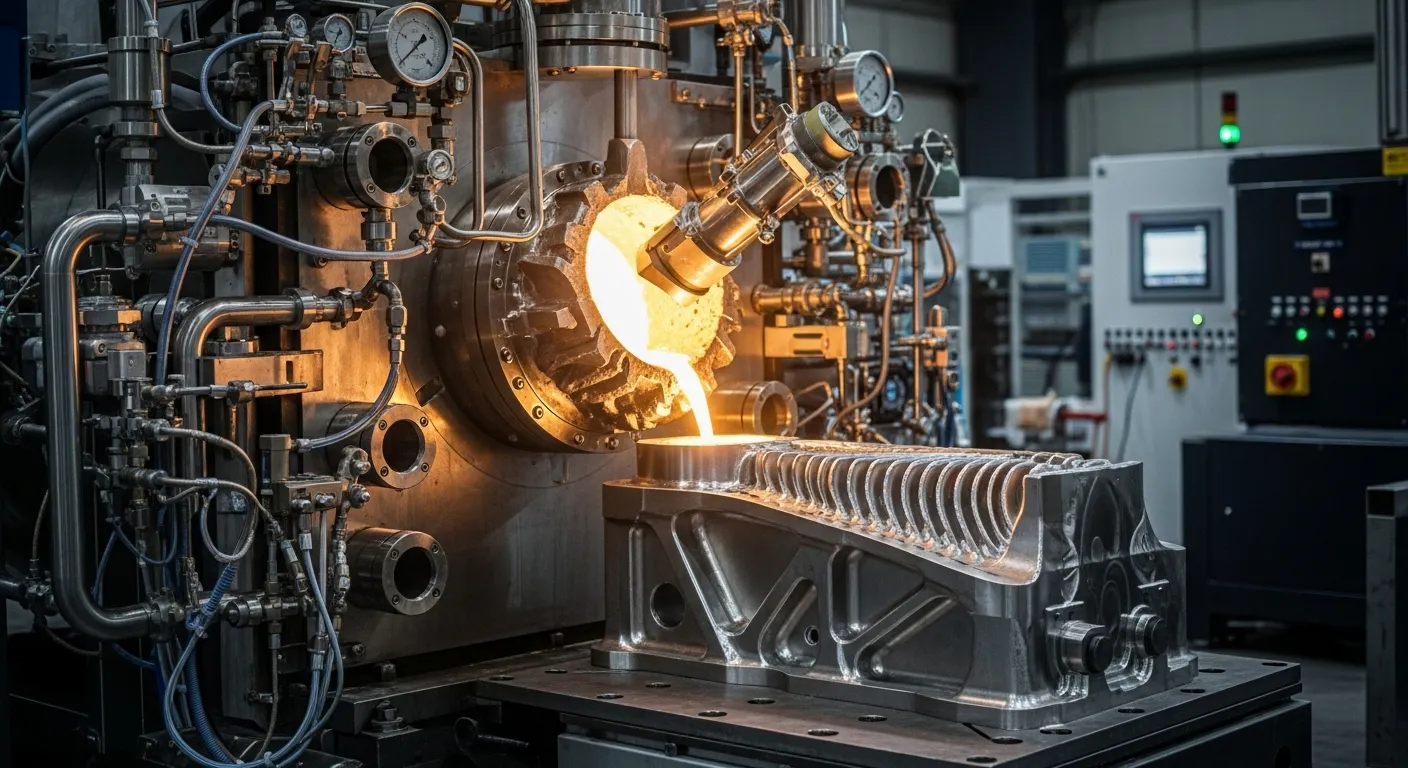
- Vacuum casting is used to help with low volume production of complex aerospace alloys in the case of metal parts. Manufacturers can make high-strength vacuum-cast components using silicone molds, which can be used in structural and functional applications by pouring in alloy or compounds made of metals.
- This is why aerospace vacuum casting services are a perfect choice in the industries when low-volume prototyping, high-tolerance parts, and rapid prototyping are crucial.
Benefits of Aerospace Vacuum Casting
Compared to conventional prototype and small-scale productions, vacuum casting has many benefits, especially in the aerospace sector.
- High Precision and Detail
Through silicone mold vacuum casting, GD Prototyping provides a considerable degree of dimensional accuracy at the micron level when casting complex components to aerospace standards. The technique can be used to fabricate engineering-grade vacuum castings, and it is feasible to build useful aerospace prototype casting parts that can be subjected to mechanical testing and validation.
- Fast Turnaround Time and Cost-Effectiveness
Vacuum casting is quicker and less expensive when compared to traditional tooling. The aerospace rapid vacuum casting process reduces cost and lead time by using molds that are not required (because they are expensive) and low-volume vacuum aerospace casting that does not require a large volume order (i.e., large lead times). This enhances product development and favors design improvement, which is iterative.
- Elasticity and Continuous Design
Vacuum casting is easy to use in implementing design changes. Using the master model, new molds can be rapid and it allows one to develop prototypes with vacuum casting within the shortest time. This is the prototyping method that can be invaluably useful in aerospace, where accuracy and flexibility are necessary in the safety of testing and optimization.
- Material Versatility
Vacuum casting gives the opportunity to use different resins of aerospace quality, polyurethanes, and heat-resistant materials. The manufacturers can choose the materials that suit the mechanical, thermal, and chemical needs, whether they are producing functional vacuum cast parts or high-strength polymer cast components. Metal casting is also supported, which provides specialist aerospace alloys in low-volume batches.
Finishing on the Surface and Post-Finishing
Vacuum-cast components have a very good surface finish, and they can be further post-finished. These include:
- Cast prototypes are sanded and polished.
- Painting and coating are to be used in the assessment of the functionality.
- UV coating and protective coating.
- Roughness on the surface (Ra values)
This is to make sure that the parts not only work correctly but also satisfy aesthetic needs, which is often very important with aerospace components used in a functional demonstration or presentation to the customer.
The Vacuum Casting Process: An Explanation
Vacuum casting is divided into several specific steps to achieve the quality and consistency:
- Master Model Creation: A master is a 3D printed, and/or machined, and/or hand-crafted prototype that is used to create the final company products. This model is the geometry of the desired part as it is.
- Silicone Mold Fabrication: A high-precision silicone mold is made on the master model, and it replicates fine surface details and dimensional accuracy.
- Preparation of Material: Liquid polyurethane, resin, or metal alloys are prepared. In the case of metals, it can involve heating and mixing of alloys to provide the best qualities.
- Vacuum Casting: The silicone mold is filled with the material that has been prepared by pouring it into the mold under vacuum conditions. The vacuum facilitates the flow of material evenly and removes bubbles of air in it to form defect-free parts.
- Curing and Demolding: The substance is cured (thermally or chemically) and removed from the mold carefully.
This is a multi-step vacuum casting approach that permits functional aerospace vacuum prototypes that can be subjected to mechanical evaluation, user testing, or small-scale manufacturing at low cost compared to the traditional manufacturing process.
The Reason Why GD Prototyping Will Be Your Best Partner
In GD Prototyping, we integrate experience, high-quality materials, and accurate use of vacuum casting in manufacturing aerospace prototypes and small batch production parts to surpass the expectations of industries.
Our Capabilities Include:
- Quick aerospace vacuum prototyping of short project schedules.
- Vacuum cast prototypes of high precision and dimensional precision.
- Aerospace parts, custom vacuum castings to suit special needs.
- Aerospace vacuum casting provides the aerospace services of low-volume production.
- After processing, such as sanding, polishing, coating, and UV stabilization.
- Polyurethane, metal alloys, and aerospace resin flexibility.
With GD Prototyping, you will have the advantage of having a lean, affordable prototyping that will close the gap between the idea and the product. Get to know more about our services: GD Prototyping.
Conclusion
Aerospace vacuum casting services offer a highly dependable, cost-efficient, and precision technique of prototype and low-volume manufacturing. Through silicone mold vacuum casting, polyurethane and resin materials, and sophisticated vacuum processes, GD Prototyping maintains that aerospace engineers will be able to develop and test parts fast and cheaply, as opposed to conventional manufacturing methods. Be it custom aerospace vacuum casting, functional aerospace prototype casting, or low-volume aerospace vacuum casting, GD Prototyping provides high-quality and reliable parts that are aerospace standard. Get your designs up and running fast with today’s precision vacuum casting in aerospace components.
