


What Tools Are Needed for Drilling: A Complete Guide for Machinists & Engineers
Learn the essential drilling tools, when to use them, and how to choose the right equipment for precision drilling in manufacturing
Drilling is one of the most fundamental machining operations in metalworking and manufacturing. From creating starter holes for threaded fasteners to precision bore holes for assemblies, drilling occurs in virtually every industry — including automotive, aerospace, electronics, and custom component production. Whether you’re preparing a part for tapping, countersinking, or simple hole creation, knowing the right tools and techniques is crucial for efficiency, accuracy, and surface quality.
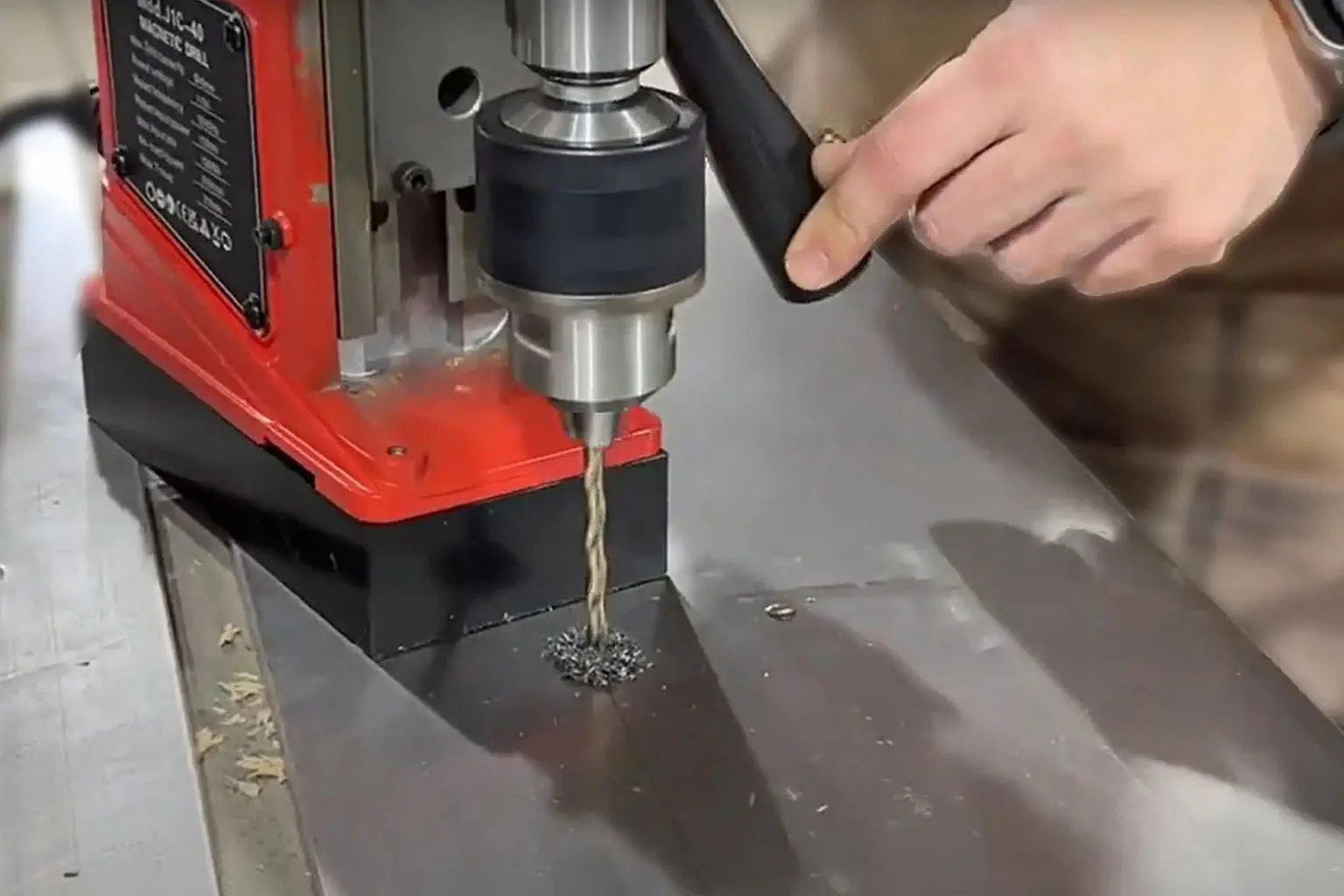
In this guide, we’ll walk through the essential tools required for drilling, explain their functions, and offer practical tips for selecting the right tool based on material, hole size, depth, and application.
What Is Drilling in Manufacturing?
Drilling is a machining operation that uses a rotating tool — typically a drill bit — to cut circular holes into a workpiece. Drill tools remove material by shearing it away, producing chips as the cutting edges advance into the surface.
Drilling is often the first machining step before other operations like tapping, reaming, or boring. Although the concept seems simple, precision drilling requires careful tool selection, proper speeds and feeds, and appropriate setup to avoid issues like chip clogging, drill breakage, or poor hole quality.
1. Drill Bits — The Core Drilling Tools
At the heart of drilling are drill bits — the cutting tools that create holes. Drill bits come in many shapes, materials, and sizes, each suited to specific materials and hole requirements.
Twist Drills
The most common drilling tool, twist drills feature helical flutes that efficiently evacuate chips while cutting. They’re versatile and suitable for drilling metals, plastics, and wood.
Key features:
-
General-purpose drilling
-
Available in many sizes and point angles
-
Works in handheld and machine drilling setups
Brad Point Bits
Designed for clean starts and reduced wander, brad point bits have a sharp center point and are ideal for wood and soft plastics.
Step Drills
Step drills are conical bits that can drill multiple hole sizes without bit changes, useful in thin sheet metal fabrication.
Specialized Bits (Countersink / Spot Drill)
-
Spot drills create an accurate location before full-size drilling.
-
Countersink bits produce a beveled surface for fastener heads.
Both enhance accuracy and surface finish.
2. Drill Chucks & Holders
To secure drill bits, machines use drill chucks, collets, or tool holders.
-
Key-type chucks tighten with a wrench for solid grip.
-
Keyless chucks allow quick bit changes.
-
Collet chucks provide high precision and concentricity for CNC setups.
Choosing the right chuck ensures stability, reduces runout, and improves hole accuracy.
3. Drill Presses and Machines
While handheld power drills are common in general construction and light work, drill presses and CNC machines deliver higher precision and repeatability for industrial manufacturing.
Bench Drill Press
A versatile floor or benchtop machine ideal for medium-precision drilling in metal and plastic.
Radial Drill
Offers adjustable arm movement and larger work envelope for bigger parts.
CNC Drilling Centers
Used in high-precision and high-volume environments, CNC drilling centers automate drilling with programmed accuracy, consistent feeds, and adaptive speeds.
4. Coolant & Lubrication Tools
In metal drilling, especially in harder alloys, coolant and lubrication improve performance by reducing friction, flushing chips, and extending tool life. Mist systems, flood coolants, or through-tool coolant options are common in industrial setups.
Proper fluid selection enhances surface finish and protects both workpiece and drill bit from overheating.
5. Reamers and Boring Tools (Drilling Complements)
Although this article focuses on drilling, two complementary tools often follow drilling operations:
-
Reamers refine hole size and surface finish to tight tolerances.
-
Boring bars enlarge or fine-tune existing holes with high precision.
Using reaming or boring after drilling ensures dimensional accuracy and functional performance.
Material Considerations for Drill Selection
Choosing the right drill tool depends on the material being drilled:
-
Soft metals (e.g., aluminum) — high-speed steel bits work well.
-
Hardened steel — cobalt or carbide-tipped bits offer better wear resistance.
-
Plastics — specialized drills reduce melting or chip buildup.
Material hardness, ductility, and thermal behavior influence tool geometry and cutting parameters.
Common Drilling Mistakes to Avoid
To achieve reliable drilling results:
✔ Incorrect drill point angle — can cause wandering or poor entry.
✔ Excessive feed or speed — increases wear and heat.
✔ No chip removal strategy — leads to clogging and poor hole finish.
✔ Improper clamping — shifts workpiece and reduces accuracy.
Proper setup, speeds/feeds calibration, and chip management maximize drilling quality and tool life.
Conclusion
Drilling is more than just rotating a drill bit into a hole — it’s a precision machining operation that requires the right tools, machines, and setup. From twist drills and step drills to drill presses and CNC centers, choosing the proper equipment and technique ensures accuracy, repeatability, and surface quality in every drilled hole.
At GD Prototyping Technology (Dongguan, China), we provide expert drilling and machining services for precision parts across industries — from automotive and electronics to aerospace and industrial equipment — helping ensure your components meet tight tolerances and performance requirements.
If you need drilling strategies for specific materials or parts, we’re happy to help you optimize tooling and process selection.
