


hat Is a Bottoming Tap? A Complete Guide for Precision Threading
Learn how bottoming taps work, when to use them, and how they differ from other tapping methods in CNC machining and manual threading
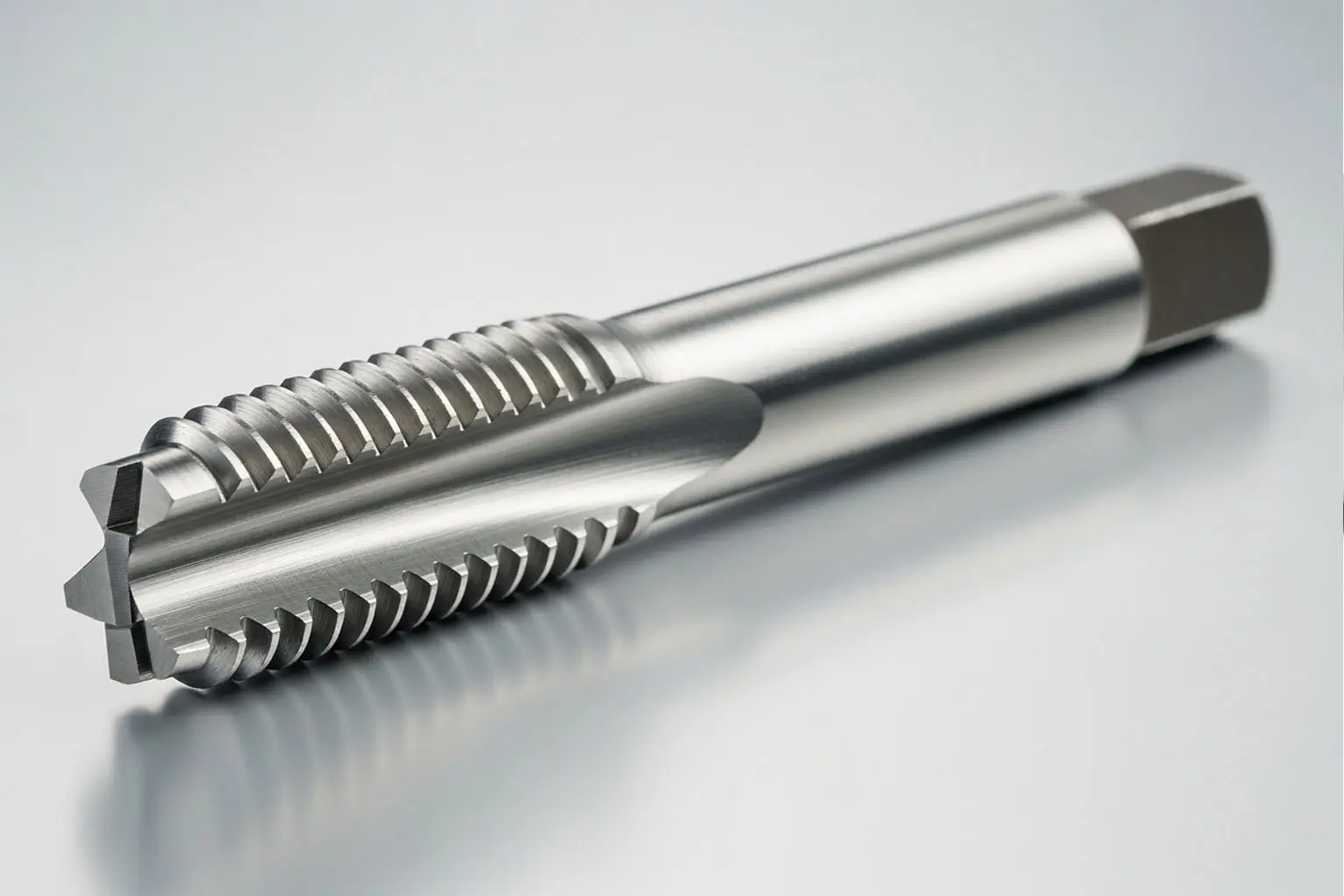
Tapping is a fundamental metalworking operation used to create internal threads inside drilled holes. Among the different types of taps available, bottoming taps are uniquely designed to produce full-depth threads at or near the bottom of blind holes — where space is limited and high thread quality matters. Understanding how bottoming taps differ from taper and plug taps helps machinists, engineers, and buyers make informed decisions for production or prototyping applications. (machinetools.com)
In this article, we’ll explain what a bottoming tap is, how it’s used, what distinguishes it from other tap types, best practices for machining, and real-world applications where high-precision threading is required.
What Is a Bottoming Tap?
A bottoming tap is a threading tool designed to cut internal threads all the way to the bottom of a blind hole — the point where the hole ends. Unlike other taps that gradually begin threading from a distance, bottoming taps have very little taper at the tip (typically only 1–2 threads), allowing them to finish threads as close to the bottom surface as possible. This ensures maximum thread engagement and strength in tight spaces. (protolabs.com)
Blind holes are common in precision machining parts where threaded fasteners must not protrude through the opposite side — for example, in aerospace fittings, automotive components, and machinery housings.
How Bottoming Taps Work
Bottoming taps are typically used after a taper or plug tap has established the initial thread form. The shallow taper on a bottoming tap quickly engages threads and completes the full-depth profile at the bottom of the hole.
Key design features:
-
Minimal taper at the tip (usually 1–2 threads)
-
Full thread form immediately after the tip
-
High-precision thread profile
Due to these features, bottoming taps are ideal for blind holes where maximizing thread engagement is critical.
Bottoming Tap vs Taper & Plug Taps
Understanding the differences between tap types helps improve threading quality and machining efficiency:
Taper Tap
-
Has a long taper with many lead-in threads
-
Eases tool engagement in through holes
-
Commonly used for initial threading stages
Plug Tap
-
Has a moderate taper
-
Balances ease of starting with deeper thread cutting
-
Often used as a general-purpose tapping tool
Bottoming Tap
-
Has minimal taper (1–2 threads)
-
Designed to cut full threads close to the bottom of blind holes
-
Ideal for thread finishing and maximizing engagement
By combining these taps, machinists can improve thread quality and reduce tool wear in production environments.
When to Use a Bottoming Tap
Bottoming taps are especially useful when:
✔ You are threading a blind hole where the hole does not go through the part.
✔ You need maximum thread engagement (more load-bearing capacity).
✔ Precision and thread fit are critical.
Examples include:
-
Threaded bosses in housings
-
Fastener interfaces in aerospace and automotive parts
-
Precision mechanical assemblies
Best Practices for Using Bottoming Taps
To achieve high-quality threads and extend tool life, follow these machining tips:
1. Pre-Drill Correctly
Ensure the hole diameter matches the thread standard before tapping.
2. Use Proper Lubrication
Apply cutting fluid to reduce heat, improve chip evacuation, and prolong tap life.
3. Step Tapping Strategy
Use a progressive tapping sequence:
-
Start with a taper tap
-
Follow with a plug tap
-
Finish with a bottoming tap
This sequence reduces cutting forces and improves surface finish.
4. Feed & Speed Control
On CNC machines, optimize spindle speed and feed rate based on material — especially in harder alloys.
5. Chip Control
In deeper blind holes, chip evacuation is critical — use through-coolant tools or peck tapping strategies when needed.
Materials & Coating Considerations
Bottoming taps come in a range of materials and coatings tailored for different substrates:
-
High-speed steel (HSS) — versatile and cost-effective
-
Cobalt alloys — improved wear resistance
-
TiN / TiAlN coatings — reduced friction and extended tool life
Selecting the right material and coating is important for productivity and tool longevity — particularly in highly abrasive or tough materials such as stainless steel or titanium.
Common Mistakes to Avoid
❌ Attempting to bottom-tap without a pilot thread — always start with a taper or plug tap first.
❌ Inadequate lubrication — increases tool wear and poor surface finish.
❌ Too high feed rates in blind holes — risks tool breakage or poor chip evacuation.
Using proper tooling and machining strategies ensures better part quality and reduces rework.
Applications in Precision Manufacturing
Bottoming taps are widely used in industries requiring robust, high-precision threaded interfaces:
-
Aerospace fasteners and fittings
-
Automotive transmission and engine components
-
Industrial machinery
-
Robotics and automation systems
At GD Prototyping Technology (Dongguan, China), our machining services include expert threading and tapping solutions designed to meet tight tolerances and high-reliability requirements across a range of industries.
Conclusion
A bottoming tap is a specialized threading tool optimized for finishing internal threads at the base of blind holes. Compared to taper and plug taps, it delivers full-depth threads where strength and precision are essential. Understanding the correct use — including sequencing, lubrication, and feed control — will help you achieve superior thread quality and machining efficiency.
Whether you’re prototyping complex parts or producing high-precision components in batch, choosing the right tapping tools and strategies is key to performance. Partnering with experienced machining specialists like GD Prototyping Technology ensures high-quality threads and dimensional reliability in every part.
