


What Do 18/8, 18/10 and 18/0 Stainless Steel Really Mean?
In precision manufacturing and prototyping, choosing the right stainless steel grade is key to part performance, reliability, and cost-efficiency. You’ll often see labels like 18/8, 18/10, and 18/0 stainless steel on material specs, flatware, or machining orders—but what do these numbers actually mean? Understanding these differences helps engineers, buyers, and production teams make better decisions for parts fabrication, corrosion resistance, machinability, and long-term durability.
The Meaning Behind the Numbers
The numbers in stainless steel grades like 18/8, 18/10, and 18/0 refer to percentages of key alloying elements in the steel—namely chromium (Cr) and nickel (Ni). These elements dramatically affect how the metal resists corrosion, holds up under stress, and how it behaves during machining.
-
The first number: Percentage of chromium in the alloy.
-
The second number: Percentage of nickel in the alloy.
Chromium forms a protective oxide layer on the steel’s surface, giving stainless steel its signature corrosion-resistant quality. Nickel enhances toughness, ductility, and resistance to acidic corrosion, making the alloy more robust in demanding environments.
18/8 Stainless Steel — Balanced Performance (Typically AISI 304)
An 18/8 stainless steel alloy contains approximately 18% chromium and 8% nickel. This grade is widely used in culinary tools, kitchenware, architectural components, and many machined parts because it offers a well-balanced mix of strength, corrosion resistance, and cost-effectiveness.
Key Characteristics
-
Corrosion resistance: Good in most indoor and mildly acidic environments.
-
Machinability: Moderate; suitable for CNC milling, turning, and forming operations.
-
Magnetism: Generally non-magnetic due to austenitic crystal structure.
-
Cost: Mid-range compared to other grades.
Typical Applications
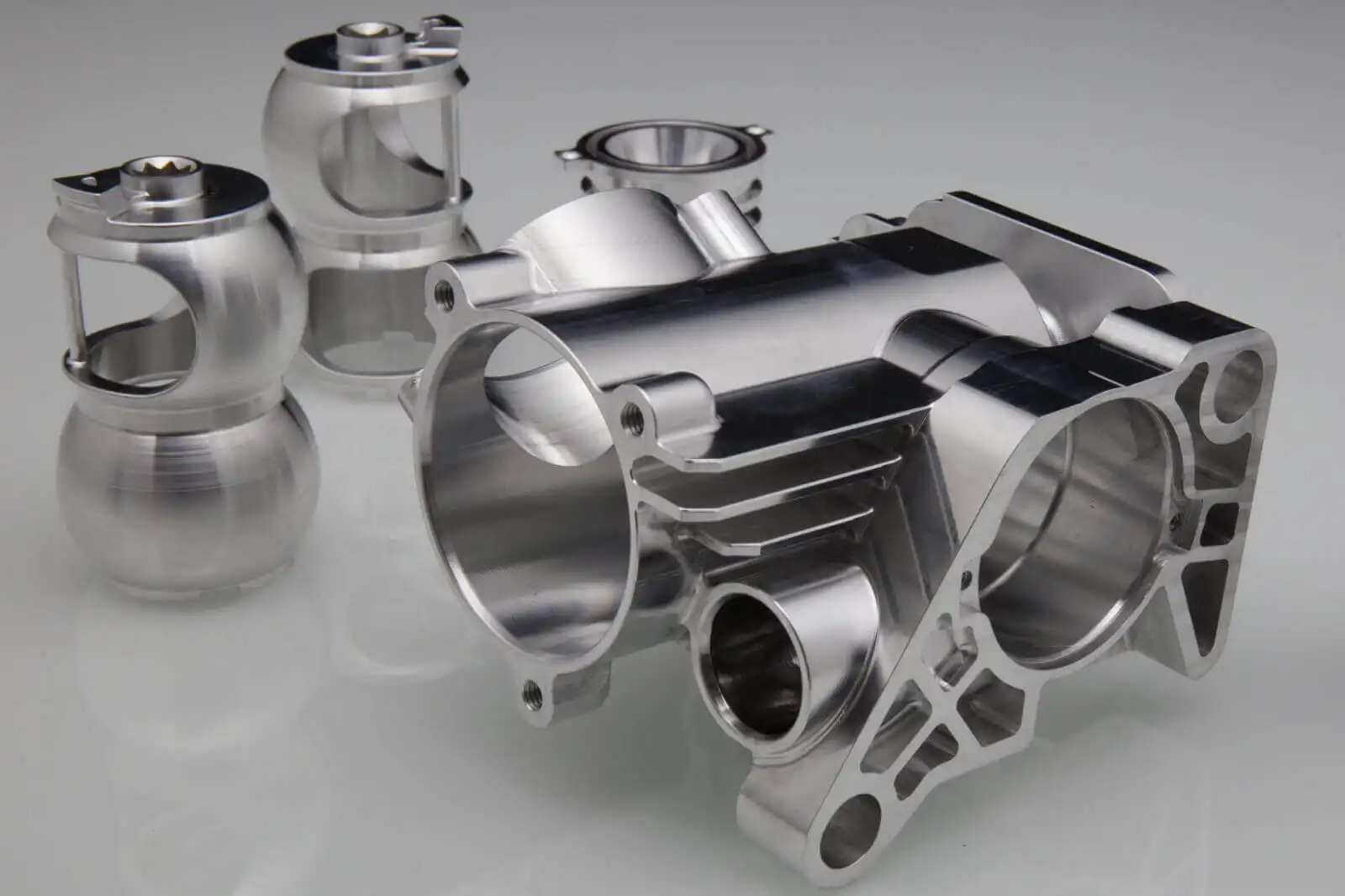
18/8 stainless steel is often specified for parts that require reliable corrosion resistance and durability without exorbitant material cost. It’s common in food equipment, consumer goods, and industrial components where both aesthetics and performance matter.
In machining environments, 18/8 stainless steel machines well relative to more alloyed steels, offering good workability while maintaining finished-part integrity. This makes it a popular choice for prototyping and low-volume production runs.
18/10 Stainless Steel — Superior Corrosion Resistance (Often AISI 316)
The 18/10 stainless steel designation indicates 18% chromium and 10% nickel. With higher nickel content, the alloy offers enhanced corrosion resistance and strength compared to 18/8.
What Makes 18/10 Different
-
Corrosion resistance: Better than 18/8, especially against chlorides and acids.
-
Toughness: Higher nickel content improves ductility and impact resistance.
-
Surface finish: Better polish and luster, making it ideal for premium parts.
-
Cost: Higher material cost due to increased nickel content.
This grade is often associated with 304 stainless steel variants, but in more demanding applications, 18/10 may align with 316 stainless steel, which sometimes includes additional elements such as molybdenum to further increase corrosion resistance in harsh environments like marine and chemical processing.
Ideal Use Cases
18/10 stainless steel is the preferred choice when corrosion resistance is critical, such as in medical instruments, marine environments, food processing systems, and high-end cookware. Its combination of toughness, longevity, and aesthetic quality makes it suitable for parts that must endure repeated use and exposure to challenging conditions.
18/0 Stainless Steel — Cost-Effective and Magnetic
An 18/0 stainless steel alloy contains 18% chromium and 0% nickel. Nickel’s absence makes this grade more magnetic and more affordable, but also less corrosion-resistant than 18/8 and 18/10.
Pros and Cons
-
Pros:
-
Lower material cost
-
Good surface finish for decorative parts
-
Magnetic properties useful in specific manufacturing contexts
-
-
Cons:
-
Prone to surface staining in wet or salty environments
-
Lower corrosion resistance compared to higher Ni grades
-
Can lose shine over time in aggressive conditions
-
Because 18/0 grade lacks nickel, it is less ductile and less resistant to rusting over time, especially under heat and moisture. Still, for many flatware items, serving utensils, or machine parts where exposure is limited, 18/0 remains a practical choice.
How These Grades Affect CNC Machining and Precision Fabrication
When it comes to CNC machining, material selection directly influences:
1. Machinability
-
18/8 and 18/10 grades (austenitic) typically machine well with optimized feeds and speeds, though they can work-harden if improperly cut.
-
18/0 (ferritic) is usually easier to cut and shape, but its softer nature may lead to surface finish challenges if not properly controlled.
2. Surface Finish
-
Nickel content (especially in 18/10) contributes to a brighter, more polished surface, ideal for visible parts requiring premium aesthetics.
-
Lower nickel grades may need post-machining finishing to meet appearance standards.
3. Corrosion Performance
-
In environments with moisture, acids, or salt, 18/10 performs best, followed by 18/8, while 18/0 may show staining or rust spots if left unprotected.
-
Material choice should align with the product’s intended service environment.
Choosing the Right Grade for Your Project
Selecting between 18/8, 18/10, and 18/0 isn’t just about price; it’s about matching material performance with application needs:
-
Choose 18/10 when corrosion resistance, durability, and long-term appearance matter.
-
Choose 18/8 when a balance of performance and cost is preferred, with solid all-around corrosion resistance.
-
Choose 18/0 where budget, magnetic properties, or specific machining ease are priorities and exposure to harsh environments is minimal.
Conclusion
Understanding stainless steel designations like 18/8, 18/10, and 18/0 gives engineers and manufacturers the insight to specify the right alloy for performance, longevity, and cost. Each grade carries its signature balance of chromium and nickel, directly influencing how the steel resists corrosion, responds to machining, and endures in service environments.
Whether you’re designing precision parts for medical equipment, consumer goods, or industrial machinery, informed material selection enhances both manufacturability and product quality. At GD Prototyping, we help you choose the optimal stainless steel grade for your application and provide matching CNC machining, prototyping, and fabricating services that deliver dependable results.
